Author: Dave Dobson

  • Diesel Dilemma: Are Used Diesel Cars Still Worth it in 2025?

    Diesel Dilemma: Are Used Diesel Cars Still Worth it in 2025?

    Have you heard someone say diesel is dead? It’s not! Used diesel cars still hold a strong place in the market, despite everything you’ve probably heard over the past few years. From tighter emissions regulations to growing pressure around eco-conscious driving, the spotlight has shifted hard onto electric and hybrid options. But does that mean buying a used diesel is a bad idea? Not even close. The situation’s a bit more nuanced than that.


    What’s Changed for Diesel?

    It’s no secret that diesel has had a rough ride recently. Public perception took a hit, especially after major emissions scandals and stricter environmental rules across Europe. And yes, certain cities now have low-emission zones, which can limit or charge access for older diesel vehicles.

    But here’s the thing: not all diesels are treated the same.

    Euro 6 diesel engines (those registered from September 2015 onwards) meet strict emissions standards and, in many cases, are still allowed to drive through these restricted zones without penalty. So the real story isn’t about diesel being “bad” — it’s about whether the car in question meets current regulations. And many used diesel cars absolutely do.


    So, Why Are People Still Buying Diesel?

    Because they make sense. For the right kind of driver, a used diesel car still delivers major benefits.

    If you’re clocking up lots of motorway miles, diesel wins on fuel economy. Petrol can’t really compete when it comes to long-distance efficiency. And electric? Well, the UK charging infrastructure still has gaps, especially outside major cities. Plus, not everyone has access to home charging.

    Used diesel cars also tend to be cheaper to buy than their petrol or hybrid counterparts. Depreciation has hit diesel models harder, which ironically makes them a great buy if you know what you’re looking for.

    And you get more car for your money. Better performance, higher spec, lower price.


    What About Resale Value?

    It’s fair to wonder if a diesel car will be harder to sell in a few years. After all, with the 2035 ban on new petrol and diesel cars looming, the market is definitely shifting. But used diesels aren’t disappearing overnight, far from it.

    Demand is still there, especially for well-maintained models with low mileage and strong service history. People who need to drive long distances or tow trailers still actively look for diesel. And because the supply of new diesel cars is shrinking, the second-hand market may even see increased demand for quality used models over the next few years.

    It’s not a long-term forever car, but it doesn’t need to be. If you’re buying with a 3-to-5-year plan, there’s very little downside.


    Understanding the Low Emission Zones

    The key concern for many buyers is whether their diesel will be allowed into major cities without racking up daily charges. That all comes down to emissions standards.

    Most clean diesels from 2015 onwards meet Euro 6 standards, which means they’re exempt from charges in areas like London’s ULEZ and similar zones across other UK cities. The trick is to check the car’s registration date and emissions rating before you buy.

    And if you’re not regularly driving through those zones, the worry becomes a bit of a non-issue.

    There’s also the simple fact that many towns and rural areas don’t have any restrictions at all. If you live outside the main cities, a diesel could still be the smartest and most economical choice on the road.


    Cost of Ownership Still Adds Up in Diesel’s Favour

    Let’s talk numbers. Diesel fuel is often slightly more expensive at the pump, sure. But it typically lasts longer per litre, especially on long runs. That means fewer fill-ups and more miles per tank.

    And because diesels are built to handle higher mileage, they’re generally more robust over time. Less wear and tear on the engine means fewer issues down the line, provided it’s been properly maintained.

    Some people worry about diesel servicing costs, but modern engines are pretty reliable. The key is buying something with a full service history. Avoid neglected engines and you’ll likely get thousands of smooth miles.

    Insurance-wise, there’s not a huge difference between diesel and petrol. And if you’re opting for an older car, road tax can be higher, but that’s often offset by the savings on purchase price and fuel.


    When Diesel Makes Sense

    Used diesel cars aren’t right for everyone. If your driving is mostly short, stop-start urban trips, a petrol or hybrid may be better. Diesels are happiest on the open road, where the engine gets up to temperature and emissions systems do their job properly.

    But if you tick any of these boxes, diesel is still a smart choice:

    • High annual mileage – Driving 12,000+ miles a year? Diesel wins on fuel costs.
    • Long-distance commutes – Motorway cruising is where diesel shines.
    • Towing needs – More torque makes towing easier and safer.
    • Budget buying – Diesel depreciation means lower prices on the used market.
    • Bigger vehicles – SUVs and estates often feel smoother and stronger with a diesel under the bonnet.

    What to Look for in 2025

    If you’re buying used, focus on newer diesel models that are Euro 6 compliant. These are more likely to hold their value, avoid clean air zone charges, and stay roadworthy longer into the decade.

    Pay close attention to:

    • Emissions rating – Euro 6 is key.
    • Mileage – Diesels like the miles, but avoid anything that looks overly worn.
    • Service history – Regular oil changes and maintenance are crucial.
    • DPF condition – The diesel particulate filter can clog with too many short trips. Make sure it’s in good shape.

    And don’t forget: buying used is all about condition. Take your time, inspect the car properly, and walk away from anything that feels neglected.


    Still a Strong Contender

    Used diesel cars aren’t outdated. They’re not obsolete. They’re just no longer front and centre in the showroom spotlight, and that actually works in your favour if you’re buying.

    In 2025, they still offer excellent value, strong performance, and long-term reliability. For the right kind of driving and the right kind of buyer, diesel makes perfect sense.

    Ignore the noise. If your driving habits match what diesel is built for, it’s still one of the smartest used car decisions you can make.

  • 6 Smart Fixes for Truck Driver Fatigue

    6 Smart Fixes for Truck Driver Fatigue

    Ever hit that wall mid-shift when your eyes feel heavy, your back’s aching, and your focus just slips? Fatigue is one of the most common and serious issues in long-haul driving. It’s not just about being tired. It’s reduced reaction time, mental fog, poor decisions, and in the worst cases, dangerous mistakes.

    The truth is, fatigue creeps in long before you realise it. You might be getting decent sleep and still feel drained. That’s because fatigue doesn’t only come from a lack of rest. It builds up from physical strain, poor posture, bad routines, and even how you fuel your body.

    Here are six smart, practical ways to fight fatigue on the road.

    1. Upgrade Your Seat

    If you’re going to spend 10+ hours a day in one place, it better support you properly. Most stock or worn-out truck seats aren’t doing your body any favours. They force your spine into unnatural positions, reduce blood flow to your legs, and make your muscles work overtime to stay upright. That constant strain? It’s exhausting. That’s why it’s time to upgrade to comfortable, high-quality truck seats Brisbane.

    A proper truck seat helps by:

    • Encouraging better posture
    • Reducing pressure on your lower back
    • Absorbing road vibrations
    • Allowing small adjustments to suit your body

    Look for something with strong lumbar support, a suspension base, and adjustable controls. Even better if the materials help with airflow. Over time, the right seat doesn’t just improve comfort; it reduces fatigue before it even starts.

    1. Stick to a Driving and Sleeping Rhythm

    Long-haul routes often mess with your body’s internal clock. One week you’re starting at sunrise, the next you’re pushing through midnight runs. That kind of inconsistency throws off your circadian rhythm — the body’s natural sleep-wake cycle. And when your rhythm’s out of sync, no amount of naps can fully restore your energy.

    Whenever possible, try to maintain a consistent routine. Sleep and wake at similar times, even on off days. Your body will start to recognise when it’s time to rest, and you’ll fall asleep faster and sleep more deeply.

    This doesn’t mean you have to be rigid. Just aim for regular patterns whenever possible. Even small improvements in sleep quality can lead to big improvements in how alert you feel on the road.

    1. Don’t Skip Breaks (Even Short Ones Help)

    It’s easy to fall into the habit of pushing through. Just one more hour. Just one more stop. The problem? Mental focus drops way before physical tiredness hits. And sitting in one position for too long causes stiffness, which only adds to the fatigue.

    Breaks don’t need to be long to be effective. Even five to ten minutes of movement every couple of hours can reset your focus, stretch out stiff muscles, and get blood flowing again.

    Step out. Walk around the truck. Do a quick stretch. It’s not wasted time, it’s a productivity reset.

    If your schedule’s tight, plan breaks into your route instead of treating them like delays. Your body and brain will thank you for it.

    1. Eat Lighter, More Often

    Big, heavy meals might feel satisfying, but they can be a driver’s worst enemy. They slow digestion, cause blood sugar crashes, and make you feel sluggish behind the wheel. Instead of three heavy meals, aim for smaller portions more frequently. Choose foods that fuel your body without weighing it down. Think protein, fibre, healthy fats, and slow-release carbs.

    Also, try not to rely too heavily on sugar and caffeine. They give a quick burst of energy, sure, but the crash that follows can hit hard, especially mid-shift. You’re better off with consistent energy than riding a rollercoaster of highs and lows.

    Pack snacks you can eat easily on the go. Nuts, fruit, hard-boiled eggs, wholegrain crackers — nothing fancy, just things that keep your energy steady.

    1. Stay Hydrated

    This one gets ignored far too often. Mild dehydration can affect concentration, memory, mood, and physical coordination — all critical for driving. And no, coffee doesn’t count. In fact, it can make dehydration worse.

    You don’t need to chug litres at once. Just sip regularly throughout the day. Keep a water bottle in reach, and refill it whenever you stop. If you’re avoiding water because of toilet breaks, it’s worth rethinking. Fatigue-related errors cause far more delays than a quick stop ever could.

    If you start getting a dry mouth, headaches, or feeling dizzy, you’ve probably waited too long to drink. Staying ahead of dehydration is one of the simplest ways to protect your alertness.

    1. Get Sunlight When You Can

    Truck cabins aren’t exactly rich in natural light. And while it might not seem like a big deal, exposure to sunlight has a real effect on your body clock and mood.

    Natural light helps regulate melatonin production, which controls sleepiness and alertness. If you’re always driving through the dark, your body never quite knows when it’s supposed to be awake.

    When you stop, try to spend a bit of time outside in the sun, even if it’s cloudy. It helps reset your brain, lifts your energy, and makes it easier to fall asleep when the time comes.

    Even rolling down the window or cracking the curtains when parked can let in enough light to make a difference.

    You Don’t Need to Feel Wrecked Every Day

    Fatigue isn’t just part of the job. It’s a sign that something needs to change, and usually, it’s a mix of little things adding up.

    Start with your seat. It’s where you spend the most time, and if it’s not supporting you properly, the rest doesn’t stand a chance. Then look at your daily habits. You don’t need a total overhaul. Just a few key adjustments — more movement, smarter food choices, staying hydrated, and getting sunlight — can give you more energy and make every shift feel more manageable.

    Driving tired is risky, not just for you but for everyone on the road. The good news? You’re not stuck with it. Small changes really do add up. Make them now, and you’ll feel the difference with every kilometre.

  • The Future of Autonomous Vehicles in Logistics and Transport: Innovations and Impacts on Supply Chains

    The Future of Autonomous Vehicles in Logistics and Transport: Innovations and Impacts on Supply Chains

    Autonomous vehicles are set to revolutionize the logistics and transport sectors, ushering in a new era of efficiency and safety. The future of autonomous vehicles in logistics and transport holds the potential to drastically reduce costs, enhance delivery speed, and mitigate human error. As advancements in AV technology continue to progress, the impact on the transportation industry will be profound.

    The integration of automation in logistics is already shifting operational models. Companies are exploring autonomous trucks for long-haul deliveries and self-driving vans for last-mile logistics, significantly changing traditional transportation dynamics. This transition not only optimizes routes but also allows for 24/7 operations without the constraints of human labour.

    With evolving regulations and infrastructure developments, the adoption of autonomous vehicles is expected to accelerate. This transformation will reshape how goods are moved and handled, driving innovation across the entire supply chain. Evaluating these advancements reveals that the future of transport will be defined by reliability and automation, setting new standards for efficiency in logistics.

    Evolution of Autonomous Vehicles in Transportation

    The development of autonomous vehicles in transportation has progressed significantly over the years. Understanding the historical milestones, current impacts, and key industry players provides insight into its future potential.

    Historical Development and Key Milestones

    The journey of autonomous vehicles began in the 1920s with early experiments in self-driving technology. Key milestones include the 1980s with Carnegie Mellon University’s Navlab project, showcasing basic autonomy.

    The 2000s introduced more sophisticated systems, exemplified by DARPA’s Grand Challenge, which pushed technological boundaries.

    Waymo’s launch in 2009 marked a turning point, as it evolved from Google’s self-driving car project. The introduction of sensor technologies, such as cameras and LIDAR, significantly improved vehicle perception capabilities.

    Impact on the Transportation Landscape

    Autonomous vehicles are reshaping the transportation landscape by enhancing efficiency and reducing costs.

    In logistics, companies are adopting self-driving trucks to streamline operations. For instance, Daimler has made strides in developing heavy-duty autonomous trucks which can optimize delivery routes.

    While general freight carriers are testing these self-driving models, specialized transport sectors face unique operational requirements. For example, liquid tanker trucking companies must manage fluid slosh and weight distribution, which complicates autonomous braking and steering systems. These specialized fleets require custom sensor calibrations to handle liquid cargo safely. As a result, the automation of bulk liquid transport may progress at a different pace than standard dry van shipping.

    Additionally, ride-hailing firms like Uber are deploying autonomous technologies to revolutionize urban transport. This shift could decrease traffic congestion and improve safety.

    The integration of these vehicles is expected to change regulatory frameworks and urban planning, focusing on infrastructure supportive of autonomous transport.

    Current Partnerships and Notable Industry Players

    Today’s landscape features significant partnerships among automakers and tech companies. Notable players include Waymo, Uber, and Daimler, all collaborating to advance their technologies.

    For example, Waymo has partnered with various logistics firms to explore the practical applications of self-driving vehicles in goods transportation.

    Daimler collaborates with tech companies to enhance vehicle software and sensor systems.

    These partnerships aim to leverage expertise and resources, accelerating innovation in autonomous transport and addressing challenges associated with widespread deployment.

    Technological Advancements in Autonomous Transport

    Recent innovations in autonomous transport focus on safety, efficiency, and energy consumption, transforming logistics and transport industries. Key advancements enhance vehicle reliability and operational capabilities.

    Improving Safety Through Autonomous Vehicle Technology

    Autonomous vehicles (AVs) leverage advanced algorithms and machine learning to enhance safety. Real-time data processing allows these vehicles to make split-second decisions, reducing human error.

    Key features include collision avoidance systems and automated braking, which significantly lower accident risks. With enhancements in predictive analytics, AVs can anticipate various road scenarios.

    Integration of vehicle-to-everything (V2X) communication further boosts safety by allowing vehicles to communicate with each other and infrastructure. This technology creates a more informed driving environment, ultimately protecting both passengers and pedestrians.

    Sensors and Cameras: Eyes of Driverless Cars

    Autonomous vehicles rely heavily on a network of sensors and cameras to perceive their surroundings accurately. A combination of LiDAR, radar, and high-definition cameras enables these vehicles to create a detailed 360-degree view of their environment.

    Cameras play an essential role in identifying lane markings, road signs, and obstacles. LiDAR offers precise distance measurements, critical for navigating complex environments.

    With the integration of artificial intelligence, these systems continuously learn and adapt, improving their detection capabilities over time. The result is an enhanced level of situational awareness, crucial for safe navigation.

    Efficiency in Energy Consumption and Operation

    Advancements in autonomous vehicle technology have led to significant improvements in energy efficiency. These vehicles optimize driving patterns using sophisticated algorithms, which help conserve fuel and reduce emissions.

    Electric autonomous vehicles (EAVs) utilize regenerative braking, capturing energy usually lost during deceleration. This feature increases range and efficiency, making them more sustainable than traditional options.

    Moreover, AVs can be programmed for route optimization, reducing travel distances and idle times. This not only lowers operational costs but also minimizes energy consumption, supporting environmental goals in the logistics sector.

    The Role of Autonomous Vehicles in Green Logistics

    Autonomous vehicles (AVs) are becoming pivotal in the movement towards green logistics. They offer significant opportunities to reduce carbon emissions while enhancing the efficiency of freight and transit systems.

    Reducing Carbon Footprint and Promoting Sustainability

    Autonomous vehicles contribute to lowering carbon emissions primarily through electric drivetrains and optimized driving patterns. By utilizing electric trucks and vans, operators significantly reduce dependency on fossil fuels.

    AVs can also minimize unnecessary acceleration and braking, leading to more efficient energy use. This eco-friendly approach decreases greenhouse gas emissions throughout the supply chain.

    Furthermore, companies deploying AVs in logistics often invest in renewable energy sources for their charging infrastructure, further promoting sustainability. Coupled with predictive analytics, AVs can anticipate road conditions, contributing to reduced energy consumption.

    Optimization of Freight and Transit

    Autonomous vehicles enhance the optimization of freight and transit, resulting in increased efficiency. With advanced routing algorithms, AVs can determine the most efficient paths, reducing travel time and increasing delivery speed.

    This optimization decreases vehicle miles travelled, which directly impacts fuel consumption and emissions. Additionally, AVs can operate at higher capacities, maximizing load efficiency and reducing the number of trips required.

    Collectively, these improvements allow logistics companies to streamline operations. The overall impact is a more responsive supply chain that not only meets demand but also adheres to sustainability goals.

    Regulatory and Ethical Considerations

    The advancement of autonomous vehicles in logistics and transport raises significant regulatory and ethical issues. It is crucial to establish appropriate safety measures and accountability frameworks while addressing potential risks and congestion management challenges.

    Establishing Regulatory Frameworks for Safety and Accountability

    Regulatory frameworks must prioritize safety in autonomous vehicle operations. Establishing clear guidelines can ensure that manufacturers and operators adhere to rigorous testing and evaluation standards.

    Key points in the framework include:

    • Safety Standards: Mandatory safety assessments should be in place before deployment.
    • Liability Issues: Determining liability in case of accidents is essential. Clear legal definitions can help address accountability.
    • Data Privacy Regulations: Protecting user data must be a priority in the development of these technologies.

    Coordination among governments, industry stakeholders, and legal experts will be necessary to develop comprehensive and adaptable regulations.

    Addressing Risks and Managing Congestion

    As autonomous vehicles become prevalent, managing risks associated with their integration into existing transportation systems is vital.

    Considerations for effective risk management include:

    • Traffic Flow Management: Implementing systems to monitor and control vehicle interactions can minimize congestion.
    • Incident Response Protocols: Established protocols must be in place to address potential accidents.
    • Public Awareness Campaigns: Educating the public about autonomous vehicles can help alleviate concerns and encourage acceptance.

    Industry stakeholders will need to collaborate on congestion management strategies to ensure efficient integration into urban infrastructures.

  • Keys to Approval: What You Need to Get an Auto Loan

    Keys to Approval: What You Need to Get an Auto Loan

    Thinking about buying a car? You’re not alone. Whether it’s your first vehicle or a much-needed upgrade, getting approved for an auto loan is a major step in the process. But here’s the good news — loan approval isn’t some mysterious black box. It’s actually based on a handful of clear, measurable factors. Understand those, and you’re in a stronger position to get that “yes” from a lender.

    Your Credit Score Matters (But It’s Not Everything)

    The credit score is one of the first things lenders check. It gives them a snapshot of how you’ve managed debt in the past.

    Here’s how it works: the higher your score, the less risky you seem. That can mean you’re able to get an auto loan with better terms, lower interest rates, and a faster approval. But even if your credit isn’t perfect, don’t assume you’ll be denied. Plenty of people get approved with less-than-ideal credit — you may just need to meet some extra conditions, like a larger down payment or a shorter loan term.

    A few key things that affect your score:

    • Payment history – Are you making payments on time?
    • Credit utilization – Are you using a reasonable amount of your available credit?
    • Length of credit history – How long have your accounts been open?
    • Recent inquiries – Have you applied for lots of new credit lately?
    • Types of credit – Do you have a mix of loans and credit cards?

    Even small improvements to your credit can make a difference. Paying down balances and correcting errors on your report are smart moves before applying.

    Stable Income = Lender Confidence

    No surprise here — lenders want to know you can afford the loan. They’ll ask for proof of income, which typically means recent pay stubs, bank statements, or tax returns if you’re self-employed.

    If your income is steady and sufficient for the loan amount, you’re more likely to get approved. If it’s inconsistent or low, lenders may worry about your ability to make timely payments.

    Keep in mind, they’ll also look at your debt-to-income (DTI) ratio. This is a percentage that indicates how much of your income is already allocated to other debts. The lower it is, the better.

    Down Payments Can Boost Your Chances

    While some loans offer zero down payment, having cash upfront works in your favor. A decent down payment:

    • Shows commitment – You’re putting your own money in, so you’re invested.
    • Reduces the loan amount – That means less risk for the lender.
    • Improves approval odds – Especially helpful if your credit or income is borderline.

    Even a small amount can make a difference. And if you’ve already got a car to trade in, that might count toward your down payment too.

    Loan Term and Amount Play a Role

    It may be tempting to opt for a longer loan term to reduce your monthly payment. But here’s the trade-off: longer terms usually mean higher total interest costs, and lenders might be more cautious, especially if your credit isn’t strong.

    Shorter loans or smaller amounts are seen as less risky. That doesn’t mean you need to borrow the absolute minimum, but choosing a loan that fits comfortably within your budget can increase the likelihood of approval.

    Vehicle Choice Isn’t Just Personal

    Yes, your car is your choice. But from the lender’s point of view, it’s also part of their investment. They will consider the age, condition, and value of the vehicle you are buying. Brand-new cars tend to be easier to finance because their value is more predictable and they’re less likely to need costly repairs in the near future.

    Used cars can be financed too, of course, but lenders may have stricter requirements depending on the mileage and model year. And if you’re going for something very old or high mileage, expect closer scrutiny or a limited loan amount.

    Having a Co-Signer Can Help

    If your credit is shaky or your income is on the lower end, having a co-signer can make a significant difference. A co-signer agrees to take on the responsibility of the loan if you can’t pay. It’s a big ask, so it needs to be someone with strong credit and a high level of trust in you.

    Adding a co-signer can:

    • Improve your chances of approval

    • Potentially lower your interest rate

    • Allow you to borrow more, if needed

    It’s not a guarantee, but it does carry weight. Just make sure both parties fully understand what’s involved before going down that road.

    Lenders Want to See Responsibility

    Beyond the numbers, lenders are looking for signs of reliability. Things like how long you’ve been at your current job, how stable your living situation is, and your history with previous loans all feed into the bigger picture.

    Simple steps like staying in the same job for a while, paying rent or bills on time, and avoiding new debt before applying can all work in your favor.

    Timing Can Make a Difference

    There are times when it’s just better to apply. For example, if you know a raise is coming, or you’re about to pay off a credit card, it might be worth waiting. Likewise, shopping for your loan within a short window — say, two weeks — helps keep credit inquiries from piling up on your report. Most credit scoring models will count multiple auto loan inquiries in a short period as a single inquiry.

    Be Prepared with Paperwork

    When you’re ready to apply, having all your documents in order can expedite the process. Typically, you’ll need:

    • Proof of income – Pay stubs, bank statements, or tax returns
    • Proof of identity – Driver’s license or government-issued ID
    • Proof of residence – Utility bill, lease agreement, or similar
    • Vehicle information – If you’ve already picked one out

    Being organized demonstrates that you’re serious and ready, and it can help the process move more efficiently.

    The Road to “Approved” Starts Here

    Getting approved for an auto loan doesn’t need to be stressful or confusing. It’s not about perfection; it’s about preparation. When you understand what lenders want and you make a few smart moves ahead of time, you’re already a few steps closer to hearing that approval.

    A little effort now can make a big difference when you’re finally behind the wheel of the car you’ve been waiting for.

  • EV Charger Installation Myths That Are Slowing You Down

    EV Charger Installation Myths That Are Slowing You Down

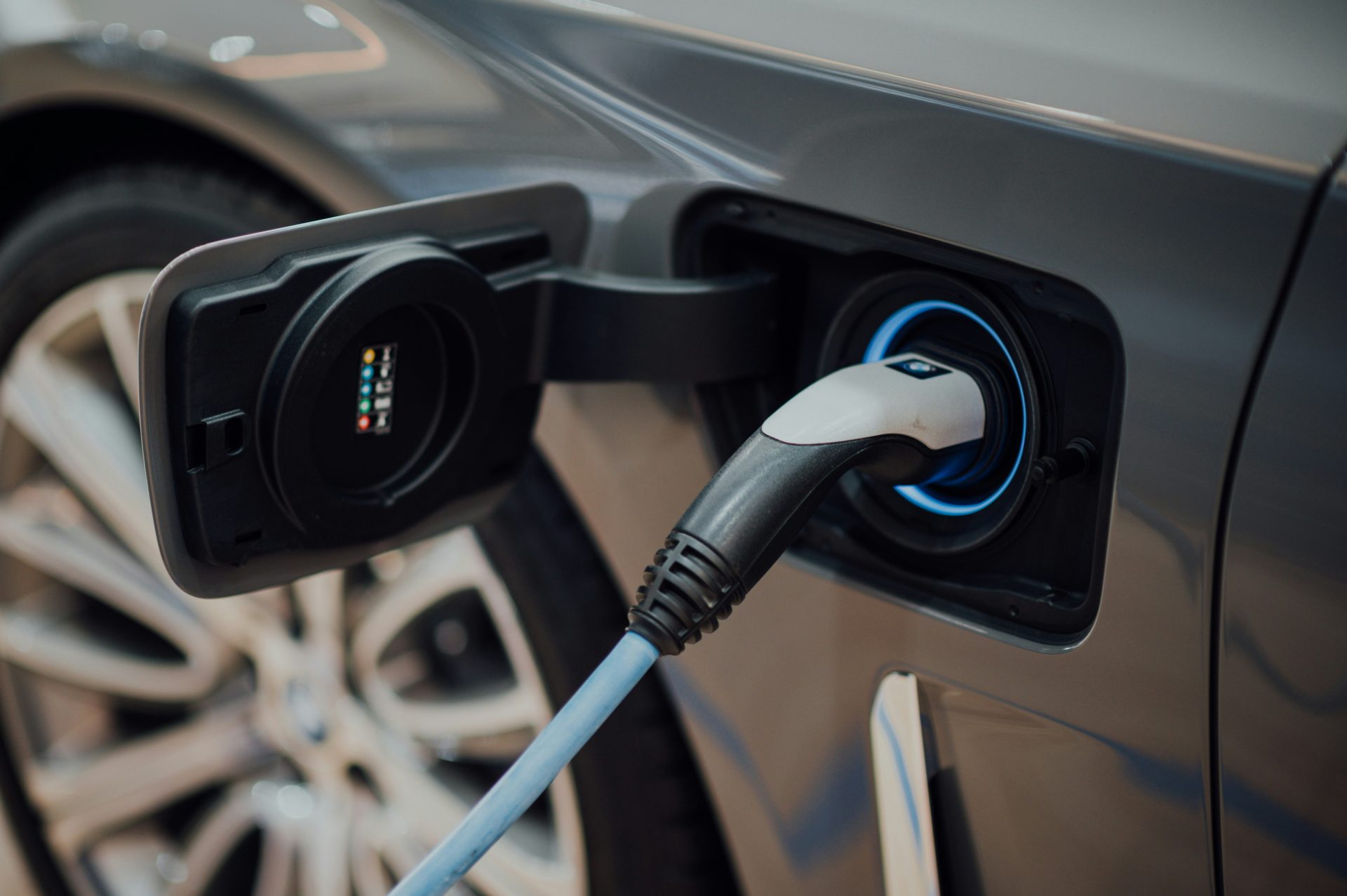
    There’s a lot of buzz around electric vehicles right now, and with that comes a fair amount of confusion, especially when it comes to home charger installation. Maybe you’ve been putting it off, thinking it’s complicated, expensive, or something you could just handle yourself later. You’re not alone. A bunch of common myths are holding people back from getting set up the right way. Let’s clear the air and make this whole thing simpler.

    Myth 1: You Can Just Plug It Into a Regular Powerpoint

    It sounds convenient, doesn’t it? Just plug your EV into the wall like it’s a toaster.

    But here’s the deal: Yes, some EVs can technically charge through a standard outlet, but it’s incredibly slow. Think 24+ hours to charge from empty. Not exactly practical for daily use.

    More importantly, regular sockets aren’t designed to handle the sustained load required for EV charging. That kind of demand can overheat the wiring and pose a fire risk if not properly managed.

    The better move? A dedicated EV charger installed by a qualified electrician. It’s faster, safer, and tailored to your home’s power capacity.

    Myth 2: DIY Installation Is Fine if You’re Handy

    Even if you’re confident with tools and electrical work, EV charger installation is not a DIY job. In few countries, it’s actually illegal to do this kind of electrical work unless you’re licensed. We’re talking about high voltage, continuous power flow, and integration with your home’s switchboard. Mistakes here aren’t just risky, they can be life-threatening.

    A professional will:

    • Assess your home’s electrical system
    • Ensure compliance with safety standards
    • Prevent overloading your circuits
    • Issue a compliance certificate (which you may need for insurance)

    This is one area where cutting corners simply isn’t worth the risk. So, do not hesitate to reach out to trusted electrician services Augusta GA, or elsewhere, to ensure your EV charger is installed safely and properly, giving you peace of mind and long-term reliability.

    Myth 3: All Chargers Are Basically the Same

    Not true. There’s a big difference between basic chargers and smart chargers. Smart chargers come with features like load management, app control, scheduling, and solar integration. Some are future-ready and designed to work with emerging energy systems, like vehicle-to-grid.

    If you’ve invested in an EV, it makes sense to think about how your charging setup fits into your home’s wider energy use. A qualified installer can walk you through the options that match your car, your budget, and your lifestyle.

    Myth 4: You Need Three-Phase Power or Solar to Install One

    Let’s clear this up: three-phase power can be helpful, but it’s not essential. Most homes run on single-phase power, and that’s perfectly fine for installing an EV charger. The installer will match the charger to your setup, and you can still charge overnight or during off-peak hours without issue.

    Same goes for solar. If you have it, great! Some chargers can even tap into your solar system to charge your car with free power. But it’s absolutely not a requirement.

    Myth 5: It’s Too Expensive

    The cost of installation depends on your home’s existing electrical setup, the type of charger, and how far it is from your switchboard. But it’s not as costly as many people assume.

    Think of it like this: this is a one-time investment that gives you daily convenience and long-term savings. Compared to fuel costs, EVs are cheaper to run, and a proper charging setup just makes that benefit even more seamless.

    Plus, some state governments offer rebates or incentives for home EV charger installation. It’s worth checking what’s available in your area.

    Myth 6: You Can Always Upgrade Later If Needed

    Sure, you can upgrade later, but it often ends up costing more. If you get the wrong charger now or skip key features thinking you’ll “sort it out later,” you might end up redoing parts of the job. That could mean rewiring, upgrading your switchboard again, or uninstalling and reinstalling new hardware.

    It’s smarter (and more cost-effective) to think ahead. A licensed installer will look at your future needs too, like if you plan to get a second EV, or want to integrate solar later on.

    Myth 7: It’s Just Not Urgent

    It’s easy to delay something that feels optional. But if you’re already driving an EV or planning to get one soon, it’s a decision worth making now.

    Charging at home is by far the most convenient way to keep your battery topped up. No detours to charging stations, no queues, no relying on apps to find an available spot.

    It’s about making EV ownership effortless. And when done right, it absolutely is.

    Don’t Let These Myths Stall Your Progress

    EV charger installation doesn’t need to be stressful or overly technical, but it does need to be done properly. The key takeaway? This is a job for the professionals.

    When installed correctly, a home charger gives you:

    • Convenience – Charge while you sleep, every night
    • Safety – Proper wiring, protection, and certification
    • Efficiency – Faster charging, tailored to your setup
    • Future-proofing – Scalable options that grow with your needs

    If you’ve been on the fence because of confusion or bad advice, it might be time to stop waiting. A clear, professional installation can save you time, money, and a lot of hassle down the road.

    Don’t let old myths slow you down. With the right setup, charging at home is one of the biggest perks of owning an EV.

  • Got Questions About Getting a Car Loan? Here Are the Answers You Need

    Got Questions About Getting a Car Loan? Here Are the Answers You Need

    Thinking about getting a car loan but not sure where to start? You’re not alone. Car finance is one of those things that seem straightforward—until you actually look into it. Then the questions start rolling in. What happens if my credit isn’t perfect? Can I get a car loan after just buying a house? Should I borrow through my mortgage or go for a standalone car loan?


    In this post, we’re going to clear up the confusion around car loans. Whether you’re buying your first car or upgrading to something new, this guide will help you understand your options and make better choices.

    1. Can I get a car loan if I have other debts?

    Yes, you can—but it depends on how much debt you already have and whether you can realistically manage more repayments.

    Lenders care about one key thing: your ability to repay the loan. They’ll look at your income, expenses, and current financial commitments like credit cards, personal loans, or mortgages. If there’s enough breathing room in your budget, your application stands a good chance.

    The big thing to remember? It’s not just about whether you’re approved. It’s about whether you can comfortably manage those repayments over the life of the loan. If money’s already tight, it might be worth waiting or choosing a cheaper car to stay on top of your finances.

    2. What if I want a car loan after buying a house?

    This one comes up a lot, as a lot of people are interested in getting a car loan after buying a house, but they’re not sure if this is possible. The good news is, yes—you can still get an auto loan after buying a house. Here’s what to keep in mind:

    • Once your mortgage is settled, lenders are less concerned about new credit applications.
    • Your loan eligibility will depend on your current financial position, not just the fact that you have a mortgage.
    • What really matters is your repayment capacity. That means how much money you have left over each month after covering your mortgage and living expenses.

    A lot of people find that their budget feels tight right after buying a home. But if you’ve budgeted well and have room for a car loan, there’s nothing stopping you. Some lenders might even see homeownership as a sign of financial responsibility.

    Should you wait until after settlement?

    If you’re still in the settlement period of your house purchase, be careful. Applying for more credit could delay or complicate your mortgage process. But once the house is yours, you’re free to explore other loans with more flexibility.

    3. Does my credit score affect my chances?

    Absolutely—but probably not in the way you think.

    If you’ve recently taken out a mortgage and managed everything well, your credit score might actually improve. Paying bills on time and having a solid loan history works in your favour.

    But if you had multiple mortgage applications knocked back before one finally stuck, that could lower your score temporarily. It’s not the end of the world, but it might make your car loan interest rate a little higher—or limit which lenders will consider you.

    The main thing? Only apply when you’re confident you’ll be approved. Too many applications in a short time can work against you.

    4. Is it cheaper to borrow through my mortgage?

    This one’s tricky—and often misunderstood.

    Yes, mortgage rates are usually lower than car loan rates. So topping up your home loan to buy a car feels cheaper. But over 20 or 30 years? You’ll likely end up paying a lot more in total.

    Let’s put it in perspective:

    • Top-up through mortgage (30 years) – Lower monthly repayments, but more interest over time. You might end up paying double for the car.
    • Separate car loan (5 years) – Higher repayments, but less total interest and you’ll pay it off much faster.
    • Top-up mortgage but repay like a car loan – This can be the best of both worlds if you’re disciplined and stick to a short repayment timeframe.

    It all comes down to how you manage repayments. If you’re the type to make only the minimum payments, a car loan might actually save you money long term.

    5. How much can I borrow?

    There’s no one-size-fits-all answer here, but a few key factors will shape your borrowing power:

    • Your income – More income generally means more borrowing potential.
    • Your expenses – Lenders look at everything from rent and utilities to food and insurance.
    • Other debts – The more you owe, the less you may be allowed to borrow.
    • Deposit or trade-in – The more you contribute upfront, the less you need to borrow.

    If you want a quick estimate, most lenders will offer a borrowing calculator—but a personalised quote will always be more accurate.

    6. Is there a best time to apply?

    Timing matters, especially if you’ve just made a big financial move like buying a house.

    Once your mortgage has settled and you’ve got a clear picture of your finances, that’s usually a safe time to apply. You’ll be in a better position to understand how much extra debt you can handle and what repayment amount feels realistic.

    Also, keep in mind:

    • Your financial stability matters more than the exact date of your mortgage settlement.
    • Avoid applying for multiple loans at once—it can impact your credit score.

    One Last Thing to Think About

    Getting a car loan isn’t just about what you can afford today. It’s about setting yourself up for the long term. A flashy new car might feel good now, but if it eats up too much of your budget, it can create pressure down the road.

    The smartest move? Take a moment to compare your options. Look at the total cost over time—not just the monthly repayments. And be honest with yourself about your repayment habits. That way, whatever path you choose—mortgage top-up or separate loan—you’re making the call with your eyes open.

    Ready to start exploring? It all begins with knowing your numbers.

  • The Best Car Brands for Reliability: A Comprehensive Overview

    The Best Car Brands for Reliability: A Comprehensive Overview

    For car buyers navigating the new car market, reliability is a key factor influencing their purchasing decisions. Some of the best car brands for reliability consistently rank high in customer satisfaction surveys and expert reviews, proving to be dependable choices for drivers. This reliability translates not only to fewer repairs but also to greater peace of mind on the road.

    Many consumers seek out reliable vehicles to minimise maintenance costs and maximise longevity. Brands renowned for their durability often provide solid warranties, indicating their commitment to quality. In this competitive landscape, identifying the right car brand can significantly impact one’s driving experience and investment value.

    With a focus on trusted manufacturers, this article examines the standout car brands that excel in reliability. From compact cars to SUVs, each brand offers options that cater to various needs while ensuring a dependable driving experience.

    Top Reliable Car Brands

    Several car brands have built strong reputations for reliability through consistent quality and customer satisfaction. This section covers notable manufacturers known for their dependable vehicles, along with key aspects that contribute to their reliability. However, while the vehicles mentioned are generally dependable, there can still be instances where defects slip through due to manufacturing issues or inadequate quality checks. In such situations, dealing with repeated repairs or uncooperative dealerships can become stressful and costly. Hence, seeking guidance from a reputable law firm like RockPoint Law can help you better understand your rights and explore options such as vehicle replacement or financial compensation.

    Toyota’s Reputation for Reliability

    Toyota has consistently ranked high in reliability ratings. Known for its durable engineering, models like the Corolla and Camry have earned consumer trust.

    Features such as low maintenance costs and high resale values contribute to Toyota’s appeal. The brand often receives high owner satisfaction scores, reflecting its commitment to quality. Additionally, Toyota’s emphasis on research and development leads to innovative safety and efficiency features that enhance the driving experience.

    Mazda’s Consistent Quality

    Mazda is revered for its attention to detail and strong build quality. The Mazda3 and CX-5 are prime examples of its reliable lineup.

    Mazda’s Skyactiv technology not only improves fuel efficiency but also contributes to longevity. Owners often report fewer issues over time, reinforcing the brand’s reputation. The emphasis on driver engagement and rewarding performance also ensures satisfaction among owners, making Mazda a standout choice in the reliability rankings.

    Lexus: Luxury and Longevity

    Lexus, Toyota’s luxury division, offers reliability combined with opulence. Models such as the RX and ES are known for their long-lasting performance and minimal breakdown incidents.

    Lexus vehicles often achieve high marks in reliability surveys. The brand’s commitment to quality is evident in its meticulous craftsmanship and the use of premium materials. Buyers enjoy the luxury experience alongside peace of mind regarding dependability.

    Kia and Hyundai: Rising Reliability

    Kia and Hyundai have transformed their images in recent years. Both brands now offer robust warranties, reflecting confidence in their vehicles’ durability.

    Models like the Kia Sportage and Hyundai Elantra have garnered positive reviews for reliability. They also feature modern designs and technology that appeal to a broad audience. Owner satisfaction has risen significantly, showing that these brands are not only reliable but also desirable.

    Honda’s Dependable Range

    Honda has a strong reputation for building cars that last. With models like the Civic and Accord, Honda vehicles are frequently praised for their reliability.

    The brand’s engineering and efficient manufacturing processes result in durable cars that require less frequent repairs. High resale values and loyal customer bases indicate strong owner satisfaction, further solidifying Honda’s place among the top reliable car brands.

    Subaru’s Rugged Durability

    Subaru is known for its rugged durability, making it a favourite among outdoor enthusiasts. Models such as the Outback and Forester feature all-wheel drive and are built to withstand harsh conditions.

    Subaru cars usually receive high-reliability ratings, coupled with impressive safety features. Customers appreciate the brand’s focus on practicality and longevity, which has resulted in a strong following. The combination of dependability and performance makes Subaru a standout in terms of reliability.

    Considerations for Buying a Reliable Car

    When selecting a reliable vehicle, several key aspects warrant consideration. These include build quality, safety features, owner satisfaction, running costs, and the potential benefits of hybrid technology. Each factor plays a vital role in determining overall reliability and long-term ownership experience.

    Assessing Build Quality and Safety Features

    Build quality significantly influences a car’s reliability. Attention to detail in design and materials often translates to durability. Reliable cars typically use high-quality components that resist wear and tear, which can prolong lifespan. To achieve this, manufacturers rely on processes such as low-volume machining, precision prototyping, materials testing, quality control inspections, computer-aided design, and iterative engineering refinements to ensure each component meets strict standards. These combined efforts help identify potential flaws early, improve performance, and ensure the final vehicle delivers consistent reliability and safety.

    Safety features also enhance reliability. Vehicles equipped with advanced safety technologies—such as automatic emergency braking, lane-keeping assist, and robust crash-test ratings—contribute to overall confidence in driving. It is advisable to consult manufacturers’ specifications and independent safety ratings to ascertain how well a vehicle performs in crash tests and safety scenarios.

    Evaluating Owner Satisfaction Surveys

    Owner satisfaction surveys provide valuable insights into the long-term reliability of a car. Regular feedback from current or former owners reveals noteworthy patterns regarding performance, comfort, and issues experienced during ownership.

    Surveys often include ratings on factors like dependability, service experience, and likelihood of recommending the vehicle. Popular sources for these surveys include J.D. Power and Consumer Reports. A vehicle that consistently ranks high in owner surveys is likely to meet reliability expectations.

    Balancing Running Costs and Practicality

    Running costs are a crucial consideration for reliability. It is important to evaluate fuel economy, maintenance expenses, and insurance rates. Cars that offer better fuel efficiency tend to lower long-term operating costs.

    Practicality also plays a role. A reliable car should serve the driver’s lifestyle effectively, meeting their space and functionality requirements. Assessing how well a vehicle accommodates passengers, cargo, and everyday usability ensures it aligns with personal needs, which aids in making a sound choice.

    Understanding the Impact of Hybrid Technology

    Hybrid technology has transformed discussions around reliability. Many hybrids offer superior fuel economy, reducing the frequency of refuelling, which is a practical consideration for many buyers.

    Moreover, hybrids typically feature advanced engineering and additional reliability due to their dual power sources. However, potential buyers should consider battery longevity and replacement costs when evaluating hybrid models. Understanding these aspects ensures informed decisions regarding investment and reliability over time.

    The Rise of Electric Vehicles and Their Reliability

    The transition to electric vehicles (EVs) has transformed the automotive landscape, with key brands like Tesla leading the charge. As EV technology advances, understanding their reliability becomes essential for consumers.

    Tesla: Pioneers of Electric Car Reliability

    Tesla has set the industry standard for electric car reliability, especially with models like the Tesla Model 3. This vehicle has received high ratings for its performance, long range, and low maintenance costs.

    Key Reliability Features of Tesla Model 3:

    • Industry-leading software updates that enhance features over time.
    • Minimal moving parts compared to traditional engines, lead to fewer mechanical failures.
    • Strong commitment to customer service and addressing issues promptly.

    However, Tesla still faces challenges related to build quality and service availability.

    Challenges and Advancements in EV Reliability

    While EVs demonstrate fewer mechanical problems, challenges remain. Battery longevity and charging infrastructure must keep pace with increasing demand.

    Common Reliability Considerations:

    • Battery Life: Most EV batteries are designed to last 8-10 years, but degradation can occur.
    • Charging Issues: Access to fast charging stations can affect usability, especially on long trips.
    • Software Reliance: Many electric cars depend on software for operation. Bugs can impact vehicle performance.

    Automakers are investing in battery technology and charging networks to tackle these items.

    Comparing Traditional Cars with Electric Models

    Traditional petrol and diesel vehicles have well-established reliability records. However, the simplicity of EV design provides a competitive edge.

    Key Comparisons:

    • Maintenance: EVs generally require less maintenance—no oil changes, and fewer moving parts.
    • Performance Consistency: Electric motors provide consistent power without the need for complex transmissions.
    • Environmental Impact: EVs offer lower emissions, which, while not direct reliability, appeals to eco-conscious buyers.

    As automotive technology evolves, the reliability of electric vehicles will likely improve, making them a strong alternative to traditional models.

    The SUV and Family Car Segment for Reliability

    Reliability is crucial for consumers seeking SUVs and family cars. Several models stand out for their durability and low running costs, making them top choices for families.

    Best SUVs for Long-Term Reliability

    The Toyota RAV4 continues to be a leader in reliability. Its robust build quality and efficient engine options contribute to lower maintenance costs. It also offers ample space for passengers and luggage, making it a practical choice for families.

    Another strong contender is the Mazda CX-5. Known for its engaging driving experience, the CX-5 boasts high safety ratings and low running costs. Its stylish design and comfortable interior further enhance its appeal as a family vehicle.

    The Lexus NX combines luxury and reliability. This SUV features advanced technology and a smooth ride, appealing to families who desire comfort alongside dependability. Its reputation for longevity is supported by strong customer satisfaction ratings.

    Family Cars That Offer Reliability and Value

    The Toyota Corolla is renowned for its reliability and efficiency. With a reputation for durability, this car remains a favourite among families seeking a dependable vehicle. Its low running costs and spacious interior make it suitable for everyday use.

    The Dacia Duster presents an attractive alternative in the family car market. Offering a robust frame and practical features, this small SUV is known for its affordability without sacrificing reliability. Its elevated stance and generous space appeal to families looking for versatility.

    Together, these models exemplify reliability in the SUV and family car segments, ensuring peace of mind for drivers and passengers alike.

  • First-Time Car Buyer? Here’s How to Secure the Right Auto Loan

    First-Time Car Buyer? Here’s How to Secure the Right Auto Loan

    Buying your first car is an exciting milestone. However, with so many loan options, interest rates, and financial jargon thrown at you, it’s easy to feel overwhelmed. The good news? Securing the right auto loan doesn’t have to be stressful—especially if you know what to look for.

    Instead of rushing into a deal that could cost you more in the long run, take a step back and arm yourself with the right information. Whether you’re buying new or used, here’s how to navigate the financing process and lock in a loan that works for you.

    1. Know Your Budget Before You Start Shopping

    It’s tempting to pick a car first and figure out the loan later, but that’s a risky approach. Lenders will approve you for the maximum amount they think you can afford—but that doesn’t mean it fits your budget.

    A smart way to plan is by calculating how much you can comfortably spend each month on a car payment, factoring in insurance, gas, and maintenance. Financial experts often recommend that when you get an auto loan your payment shouldn’t exceed 15% of your monthly take-home pay.

    To get a rough idea of what you can afford, try these steps:

    • Determine your total budget – Consider the full cost of owning a car, not just the monthly payment.
    • Factor in a down payment – The more you put down upfront, the less you have to borrow.
    • Keep an eye on loan terms – A longer loan term lowers monthly payments but increases the total interest paid.

    2. Check and Improve Your Credit Score

    Your credit score plays a huge role in the type of loan you qualify for and the interest rate you’ll receive. The higher your score, the better the loan terms.

    Before applying, check your credit score and report for any errors. If your score isn’t where you’d like it to be, consider taking some time to improve it by paying off outstanding debts, making on-time payments for bills and credit cards, and reducing your credit utilization.

    Even a small increase in your score can lead to lower interest rates, which saves you money over the life of the loan.

    3. Compare Lenders – Don’t Settle for the First Offer

    Auto loans are available through banks, credit unions, online lenders, and dealerships. Each lender offers different rates and terms, so shopping around is crucial.

    When comparing lenders, focus on:

    • Interest rates – Even a slight difference in APR can impact your monthly payment and total loan cost.
    • Loan terms – Shorter terms often come with lower interest rates but higher monthly payments.
    • Prepayment penalties – Some lenders charge fees if you pay off your loan early.

    It’s a good idea to get pre-approved by multiple lenders to see where you stand. Pre-approval doesn’t lock you into anything, but it gives you a clearer picture of your budget and strengthens your position when negotiating.

    4. Understand the Difference Between APR and Interest Rate

    Many first-time buyers assume the interest rate and APR (Annual Percentage Rate) are the same, but they’re not.

    Interest rate – The cost of borrowing money, expressed as a percentage.

    APR – The true cost of the loan, including interest and fees.

    A loan with a low interest rate but high fees might end up costing you more than a loan with a slightly higher rate but fewer additional charges. Always check the APR when comparing loan offers.

    5. Consider a Shorter Loan Term

    It’s easy to be drawn to loans with low monthly payments, but they often come with longer repayment terms—sometimes six or seven years. While this makes payments more manageable, it also means you’ll pay more in interest over time.

    If you can afford slightly higher payments, opting for a shorter loan term (like 36 or 48 months instead of 60 or 72) can save you thousands in interest. It also helps you build equity in the car faster, which is useful if you plan to trade it in later.

    6. Be Wary of Dealership Financing

    Dealership financing can be convenient, but it’s not always the best deal. Dealers often mark up interest rates to make a profit, meaning you could end up paying more than if you secured a loan elsewhere.

    That said, some dealerships offer promotional financing (like 0% APR for qualified buyers), which can be a great deal—if you qualify. To avoid getting locked into a bad loan, compare dealership offers with outside lenders before making a decision.

    7. Watch Out for Hidden Fees and Add-Ons

    Some lenders and dealerships sneak in extra fees or push add-ons that inflate the cost of your loan. Common ones include:

    • Loan origination fees – Charged by some lenders just for processing your loan.
    • Extended warranties – May be unnecessary depending on the car and manufacturer warranty.
    • GAP insurance – Can be helpful but is often cheaper through an insurance company rather than the dealership.

    Always review the loan agreement carefully before signing. If something seems off, don’t be afraid to ask questions or walk away.

    8. Read the Fine Print Before Signing

    Once you find a loan that looks good, take the time to read every detail in the contract. Look for:

    • Prepayment penalties
    • Balloon payments (a large final payment at the end of the loan)
    • Late payment fees
    • Whether the interest rate is fixed or variable

    If anything is unclear, ask for clarification before signing. A car loan is a big financial commitment, and you don’t want any surprises down the road.

    9. Get Pre-Approved Before Heading to the Dealership

    Walking into a dealership with a pre-approved loan gives you more negotiating power. It shows sellers you’re serious and prevents them from pushing high-interest financing on you.

    Even if you still choose to go with dealer financing, having pre-approval gives you a solid benchmark for comparison. If the dealership can’t beat your pre-approved rate, you know you’re already getting a good deal elsewhere.

    10. Don’t Rush the Decision

    It’s easy to get swept up in the excitement of buying a car, but rushing into a loan can lead to financial regrets. Take your time, do your research, and don’t feel pressured into making a decision on the spot.

    If something doesn’t feel right—whether it’s the car, the dealer, or the loan terms—step back and reassess. The right car loan should be one that fits your budget, helps build your credit, and doesn’t put unnecessary strain on your finances.

    Drive Away with Confidence

    Buying your first car is a big deal, and securing the right loan is just as important as picking the perfect vehicle. By budgeting wisely, checking your credit, comparing lenders, and understanding the terms, you can make a smart financial decision that sets you up for success.

  • How to Keep Your Car Looking Brand New Without Breaking the Bank

    How to Keep Your Car Looking Brand New Without Breaking the Bank

    Everyone loves the feeling of driving a freshly cleaned car. The shiny paint, spotless windows, and clean interior make it feel almost new again. But let’s be real—keeping your car looking that good all the time can feel impossible. Between dust, dirt, food crumbs, and unpredictable weather, cars get messy fast.

    A lot of people think you need expensive products or professional help to maintain that new car look, but that’s not true. With a few smart habits and the right approach, you can keep your car looking fresh without spending a fortune. And when you do need a deep clean, car detailing services can bring your ride back to life without the high price tag of a full restoration.

    Wash Your Car the Right Way

    Washing your car seems simple, but doing it wrong can actually damage the paint. Scratches, water spots, and leftover dirt can make your car look older than it really is.

    First, never use dish soap or other household cleaners. These can strip off the protective wax and make your paint more vulnerable to damage. Instead, use a car-specific soap that’s designed to clean without being too harsh.

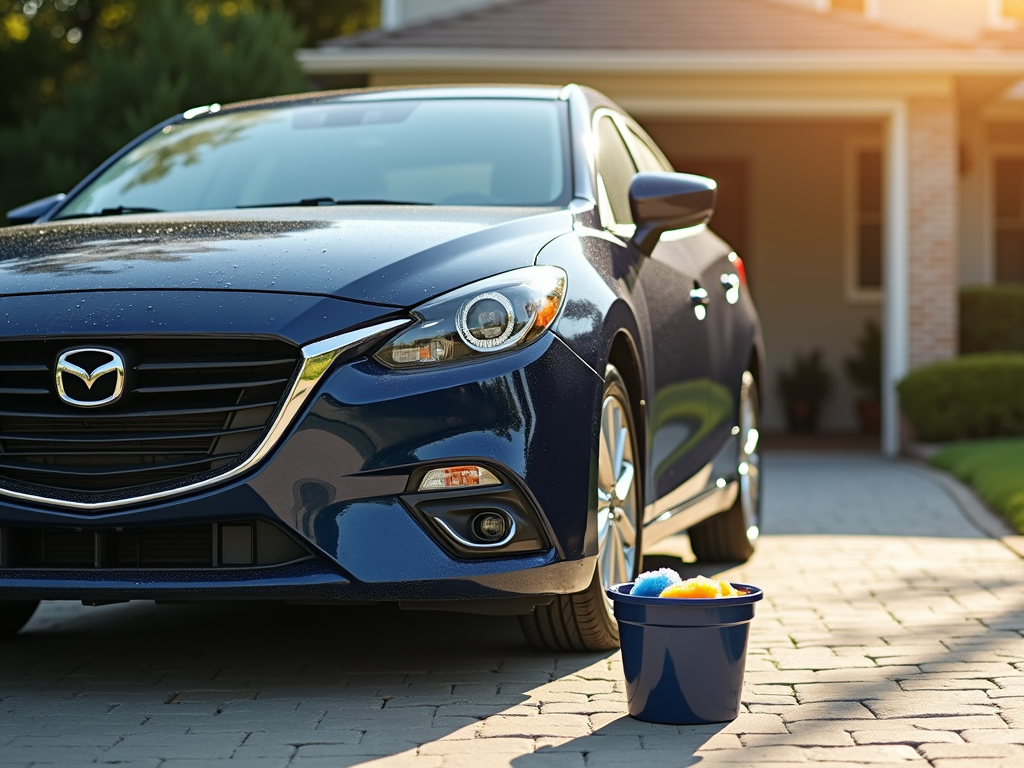
    Always wash with two buckets—one for clean soapy water and one for rinsing your sponge or mitt. This keeps dirt from getting back on your car and causing tiny scratches. When drying, use a microfiber towel instead of an old rag or t-shirt, which can leave swirl marks.

    Don’t Ignore the Wheels

    Shiny paint is great, but if your wheels are covered in brake dust, your car still looks dirty. Cleaning your wheels regularly helps maintain that “just detailed” look. Use a wheel cleaner that’s safe for your type of rims, and scrub with a soft brush to get rid of built-up grime. If you want them to really stand out, finish with a tire shine product to make them look deep black instead of faded and dull.

    Keep the Interior Clean

    A clean car isn’t just about the outside—what’s inside matters too. Dust, crumbs, and clutter can make even the newest car feel old and neglected.

    Vacuuming the seats, carpets, and mats at least once a week makes a big difference. If you have cloth seats, a fabric cleaner can help remove stains. For leather, use a conditioner to prevent cracking and keep it feeling soft.

    One of the easiest ways to keep your interior looking good is to avoid eating in your car. Fast food wrappers, spilled drinks, and greasy fingerprints can turn your car into a mess quickly. If you do eat inside, try to clean up immediately instead of letting trash pile up.

    Protect Your Paint

    If you want your car to keep its shine, you need to protect the paint. Waxing your car creates a protective layer that helps prevent dirt, sun damage, and minor scratches. It also makes washing easier because dirt doesn’t stick as much.

    You don’t have to wax your car every week, but doing it every three months is a good rule of thumb. If waxing by hand sounds like too much work, spray waxes and ceramic coatings are easier to apply and still offer great protection.

    Another easy way to protect your paint is to park in the shade when possible. Sun exposure over time can make your paint fade, especially in hot climates. If you have to park outside, a car cover can help prevent sun damage.

    Fix Small Scratches Before They Get Worse

    No matter how careful you are, small scratches and chips in the paint are going to happen. The key is to fix them before they get worse.

    Touch-up paint pens can cover small chips and keep rust from forming. For light scratches, a scratch remover polish can help blend them into the rest of the paint. If you ignore them, dirt and moisture can get into the exposed metal, making the damage harder (and more expensive) to fix later.

    Keep Your Windows and Mirrors Crystal Clear

    Dirty windows and mirrors don’t just look bad—they make driving more dangerous. Smudges, streaks, and dust can make it harder to see, especially when driving at night.

    Use a glass cleaner that’s safe for car windows, and always wipe in a circular motion to avoid streaks. Don’t forget to clean the inside of your windshield too—dust and fingerprints build up there over time, making glare from headlights worse.

    Use the Right Cleaning Products

    There’s a reason professional detailers use specific products for different parts of the car. The wrong cleaners can damage surfaces, leave streaks, or even make things look worse.

    Stick to car-safe shampoos, waxes, and interior cleaners instead of grabbing whatever’s under the kitchen sink. If you’re trying to save money, there are plenty of affordable car cleaning kits that include everything you need without spending a fortune.

    Know When to Get Professional Help

    Even with regular cleaning, sometimes your car needs a deeper cleaning than you can do on your own. Stubborn stains, tough grime, or faded paint might require professional detailing.

    Detailing services don’t just wash your car—they deep clean every part, restoring it to like-new condition. They can remove odors, polish scratches, and even apply long-lasting protection to keep your car looking good for months. Instead of spending money on expensive DIY products that may not work, getting a professional detail once or twice a year can be a smarter investment.

    Make Car Cleaning a Habit

    The secret to keeping your car looking brand new is simple—stay on top of maintenance. If you let dirt, stains, and scratches build up, they’ll be much harder to fix later. But if you take a few minutes each week to wipe down surfaces, vacuum crumbs, and wash your car, it’ll stay in great shape without much effort.

    You don’t need to spend a lot of money to have a clean, well-maintained car. Just a little regular care goes a long way in keeping it looking fresh and protecting its value for years to come.

  • Planning a Long EV Trip? Here’s What Every Driver Should Know

    Planning a Long EV Trip? Here’s What Every Driver Should Know

    Long road trips can be thrilling, but if you’re behind the wheel of an electric vehicle (EV), there are a few things you should keep in mind to make the journey as smooth as possible. Whether you’re off to explore new places or heading to visit friends and family, a bit of preparation can go a long way. Wondering how to avoid the stress of running low on charge or how to make the most of your EV’s features? You’re in the right place.

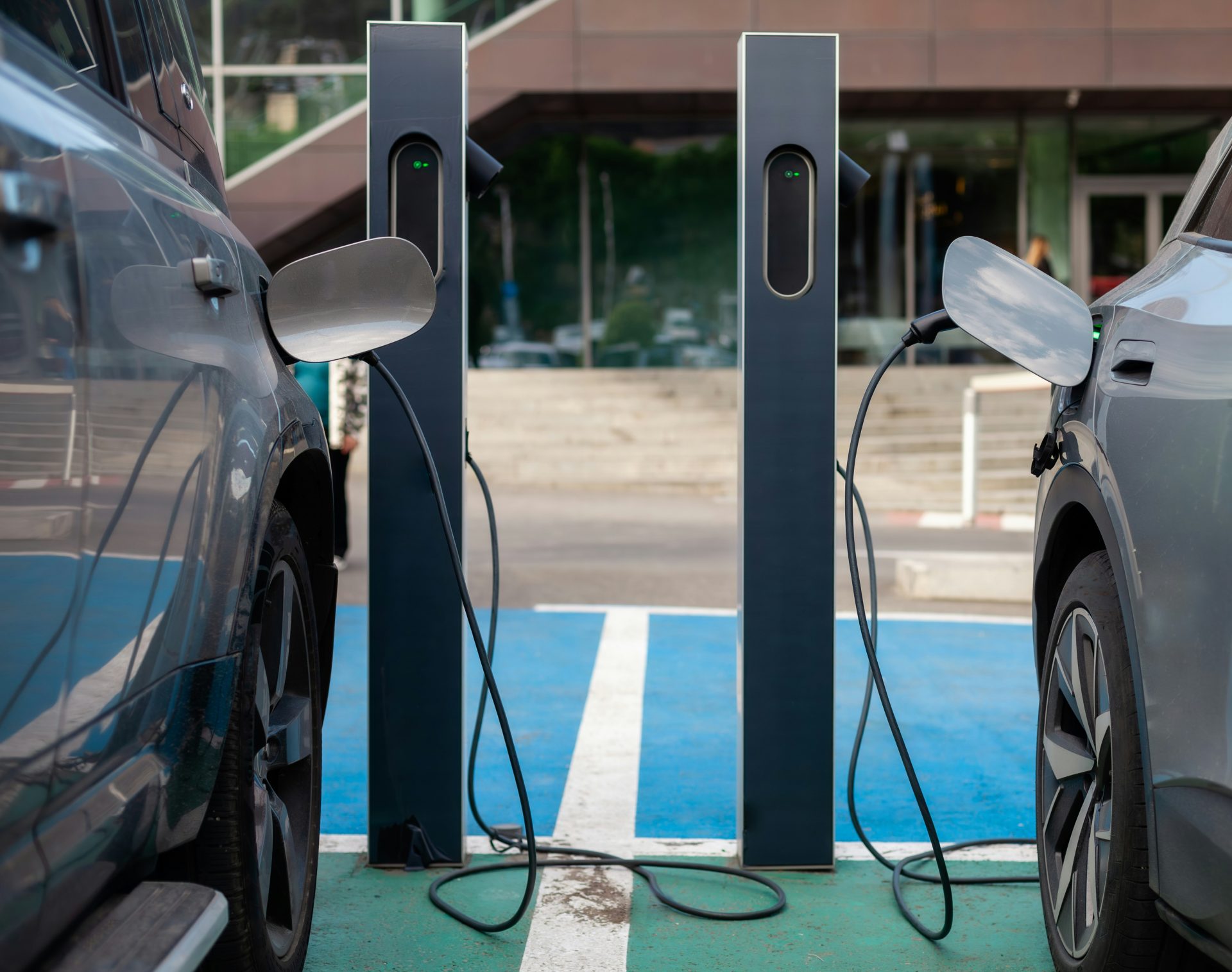
    1. How to Find Reliable EV Charging Stations

    There’s only one place to begin, and this is with how to locate reliable EV charging stations. Finding a dependable charging station along your route is crucial. Nobody wants to be stuck searching for a charger when the battery’s running low. Luckily, technology makes it easier than ever. There are various apps and built-in car systems designed to help you map out charging stops ahead of time. Planning your charging breaks strategically not only ensures you never get caught short but can also give you the chance to stretch your legs or grab a bite to eat. Make sure to double-check the station’s availability and charging speed before you arrive—it’s always better to be prepared.

    2. Understand Your EV’s Range and Battery Efficiency

    Every EV is different, and factors like speed, temperature, and road conditions can affect your vehicle’s range. Knowing how your car performs under different conditions is key. For example, driving at higher speeds can drain the battery faster, while slower, steady speeds are more efficient. Also, colder weather might reduce battery performance, so keep that in mind if you’re travelling during the winter months. To get the most out of your battery, consider using energy-saving modes and pre-conditioning the cabin while still plugged in.

    3. Plan Charging Stops Around Activities

    No one enjoys sitting in the car waiting for a charge. The good news is you don’t have to! Plan your stops at locations where you can do something enjoyable—whether that’s grabbing a coffee, visiting a local attraction, or taking a scenic walk. Charging doesn’t have to be downtime; it can be an opportunity to make the trip more enjoyable. With a little research, you can turn necessary stops into part of the adventure.

    4. Check Charging Speeds and Types

    Not all chargers are created equal. Some offer a quick top-up in just minutes, while others might take a few hours. Understanding the difference between rapid chargers and standard ones can save you a lot of time. Before heading out, familiarise yourself with your EV’s charging capabilities and what connectors it supports. This helps ensure you’re not left waiting longer than necessary at slower stations when faster options are available nearby.

    5. Make Use of Regenerative Braking

    Regenerative braking is a feature that allows your EV to recover energy when slowing down or braking, extending your range without much effort. On long trips, especially on routes with lots of stops or hilly terrain, this feature can make a noticeable difference. It’s worth getting used to the feel of regenerative braking before your trip so you can maximise its benefits without it feeling awkward.

    6. Keep an Emergency Charging Plan in Mind

    While planning is key, it’s wise to have a backup just in case. Unexpected detours, road closures, or an out-of-service charger can throw off even the best plans. Having an alternative route with additional charging options can offer peace of mind. Also, consider packing a portable charger—while it won’t fully replace a charging station, it could provide just enough power to get you to the next stop.

    7. Be Mindful of Passenger Comfort and Entertainment

    Long journeys aren’t just about the driver. If you’re travelling with family or friends, keeping everyone comfortable and entertained makes a huge difference. Load up on music, audiobooks, or podcasts, and plan for snacks and drinks. Charging stops are also a great opportunity for everyone to stretch, use facilities, and recharge themselves as well as the car.

    8. Stay Updated on Road and Weather Conditions

    Roadworks, accidents, and weather can all impact your trip. Keeping an eye on live traffic updates helps you avoid delays, while checking the forecast ensures you’re prepared for conditions that might affect your battery usage. For instance, rain and cold can influence how quickly your EV drains power, so knowing what to expect can help you plan your charging stops accordingly.

    9. Know How to Maximise Cabin Comfort Without Wasting Energy

    It’s tempting to blast the air conditioning or heating, but these can significantly reduce your range. Instead, use seat warmers or cooling systems that are more energy-efficient. Pre-conditioning the car while it’s still charging can also help maintain a comfortable temperature without draining your battery during the drive.

    10. Don’t Forget Essential Items for the Journey

    Packing smartly can make your trip much easier. Here’s a quick list of essentials you should have ready:

    • Charging cables – Always carry the right cables for different types of chargers.
    • Snacks and drinks – Staying hydrated and energised keeps you focused.
    • Blanket and extra layers – Weather can change quickly, and you’ll appreciate having them.
    • Phone charger and mount – Handy for navigation and staying connected.
    • Emergency kit – Basic tools, a first aid kit, and a torch can be lifesavers.

    Having these on hand ensures you’re prepared for whatever the road throws at you.

    Ready to Hit the Road?

    Long EV trips don’t have to be daunting. With a bit of planning and the right mindset, they can be just as seamless—and even more enjoyable—than traditional car journeys. By understanding your EV’s capabilities, planning your stops wisely, and staying flexible, you’ll be able to enjoy the ride without worrying about your next charge. So, get your playlist ready, pack some snacks, and hit the road with confidence. The journey is just as exciting as the destination!