Category: Motorbikes

  • Why Motorbikes Offer a Different Kind of Freedom: Exploring the Unique Experience of Two-Wheeled Travel

    Why Motorbikes Offer a Different Kind of Freedom: Exploring the Unique Experience of Two-Wheeled Travel

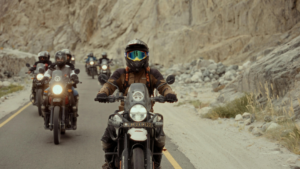
    Motorbikes give riders a unique sense of freedom that differs from driving a car or using public transport. They allow a person to connect with the environment in a more direct and immediate way, feeling the wind, hearing the sounds, and experiencing the road’s conditions firsthand. This sensory engagement creates a deeper experience of travel.
    The freedom motorbikes offer often comes from their ability to navigate spaces and routes that cars can’t, providing more control and flexibility on the road. Riders can easily explore less accessible areas and enjoy a sense of spontaneity that larger vehicles cannot provide.

    Moreover, motorbiking reduces the barriers between rider and journey, encouraging a mindset focused on the moment rather than just the destination. This can make travel feel more personal and liberating compared to other forms of transport.

    The Essence Of Freedom On Two Wheels

    Motorbikes offer a unique sense of freedom that combines physical movement with mental clarity. For many, riding is a way to break from routine and connect deeply with the environment and self.

    Why The Open Road Inspires Liberation

    The open road represents limitless possibilities for riders. Without the barriers of a car cabin, riders feel the wind and hear the sounds around them, enhancing sensory awareness. This raw connection to surroundings fuels a sense of liberation.

    Changing landscapes and uninterrupted stretches of highway encourage focus and presence. The vastness of the open road also diminishes daily constraints, making time seem more flexible. This amplifies the feeling of personal freedom unique to motorcycle journeys.

    The Role Of Motivation In The Riding Experience

    Motivation in motorbiking often stems from a desire for challenge and adventure. Riders actively seek new routes, weather conditions, and rides that test their skills. This purposeful engagement keeps the experience fresh and fulfilling.

    Beyond escape, motivation can be about self-improvement or mindfulness. The focus needed to operate a motorcycle demands clear attention, which can be therapeutic and mentally freeing. Motivation pushes riders to maintain and develop their riding abilities, further deepening their connection with the activity.

    Individuality And Authenticity In Motorcycle Culture

    Motorcycle culture values personal expression and authenticity. Riders customise bikes and gear to reflect individual identity, setting themselves apart from mainstream transport users. This differentiation is a key part of the freedom the culture promotes.

    Furthermore, the sense of community among riders supports individuality rather than conformity. Shared values around independence and self-reliance foster environments where freedom means being true to oneself. This culture amplifies the personal meaning found in the act of riding.

    Unique Perspectives: Motorcyclists And Their Journeys

    Riding a motorcycle changes the way a person experiences the world. Every trip invites focus, reflection, and emotional shifts that shape a rider’s mindset and outlook.

    The Philosophy Of Living In The Moment

    Motorcyclists often embrace a mindset rooted in immediate awareness. The act of riding demands attention to balance, speed, road conditions, and surrounding traffic. This level of focus reduces distractions, anchoring the rider firmly in the present.

    Through this attentiveness, riders develop a habit of living in the moment. It is not just about reaching a destination but fully experiencing the journey. This philosophy contrasts with daily routines that pull attention in multiple directions. The motorcycle becomes a tool to cultivate mindfulness naturally by requiring active engagement.

    Self-Discovery And Personal Growth

    For many, riding a motorcycle triggers self-exploration. Facing challenges such as variable weather, traffic, and terrain tests resilience and adaptability. These experiences can strengthen confidence and decision-making skills.

    The solo nature of many motorbike journeys encourages introspection. Time spent alone, often on open roads, helps riders confront personal thoughts and emotions without external influence. This personal space fosters growth, allowing riders to better understand their motivations and priorities.

    Riders often report increased independence and a clearer sense of identity linked to their experiences on the road. Each journey becomes a chapter in personal development.

    Therapeutic Benefits Of The Ride

    Riding a motorcycle offers mental health benefits known to many enthusiasts. The combination of fresh air, physical activity, and rhythmic engine noise can lower stress levels. Engaging multiple senses creates a calming effect on the mind.

    The sense of control riders feel during a ride contributes to improved mood and reduced anxiety. Some use motorbiking as a method to break free from daily pressures and mental fatigue, experiencing relief through the ride.

    Additionally, the social connections formed with other riders provide emotional support. Group rides and communities offer a shared understanding that enhances well-being and motivation to continue riding.

    Community And Camaraderie Among Riders

    Riders often find more than transportation on their motorbikes; they discover a network of relationships built around shared values and experiences. This sense of belonging emerges from common interests, mutual respect, and acceptance within the riding community.

    Building Connections Through Shared Experience

    Motorcyclists bond easily over the unique challenges of riding, such as navigating weather, traffic, and mechanical issues. These shared experiences create an immediate topic of conversation and trust. Group rides, events, and meet-ups deepen these connections by allowing riders to experience freedom and adventure together.

    Such connections often extend beyond riding days. Riders support each other by exchanging tips on maintenance and safety or offering assistance on the road. This dynamic builds strong, long-lasting relationships based on practical knowledge and camaraderie.

    Mutual Respect And Support

    Respect is a fundamental principle among motorcyclists. Each rider understands the risks involved, so they respect others’ skills and decisions on the road. This leads to a supportive environment where riders look out for each other, whether in traffic or at social events.

    Support also includes sharing advice and encouragement, especially for newer riders. Experienced motorcyclists often mentor beginners, promoting safety and confidence. This ethos reinforces trust and keeps the riding community united.

    Inclusivity And Acceptance In The Biker Community

    The motorcycling community is notable for its inclusivity regardless of age, gender, or background. Riders often unite around their passion, putting differences aside. This openness helps newcomers feel welcome and valued.

    Many clubs and groups actively encourage diversity, understanding that broad participation strengthens the community. The acceptance found among riders contributes to a positive, welcoming atmosphere that sets motorcycling apart from many other interest groups.

    Balancing Freedom With Responsibility

    Riding a motorbike demands a careful balance between enjoying the independence it offers and managing safety and social factors. This balance involves understanding the risks, practising awareness, and navigating public perceptions.

    Motorcycle Safety And Awareness

    Motorcycle safety is essential to responsible riding. Riders must wear protective gear, including helmets, gloves, and jackets with armour, to reduce injury risk. Regular checks of brakes, tyres, and lights are crucial before every ride.

    Awareness on the road is critical. Motorcyclists need to anticipate other drivers’ actions and maintain visibility by riding in positions where they are easily seen. Defensive riding techniques help minimise risks from unpredictable traffic.

    Training and continuous skill development improve a rider’s ability to handle diverse road conditions. Understanding how to react to hazards is as important as enjoying the ride itself.

    Navigating Risks And Challenges

    Riding a motorcycle inherently involves a higher risk than driving a car. Vulnerability in crashes and exposure to weather require constant vigilance. Riders must adjust speed, distance, and positioning to suit road conditions and traffic flow.

    Managing these risks means respecting speed limits and staying sober. Fatigue and distractions severely undermine safety. Riders should avoid high-risk scenarios like heavy rain or night riding if inadequate experience or equipment is available.

    Awareness of one’s limits and regular training bolster the ability to handle emergencies. Most accidents happen due to misjudgments or a lack of anticipation, so proactive risk management is vital.

    The Impact Of Societal Perceptions

    Motorcyclists sometimes face negative stereotypes that label them as reckless or disruptive. These perceptions affect how other road users treat riders and can influence legal regulations.

    Earning respect through consistent safe riding helps counter such biases. Demonstrating responsibility improves interactions with other drivers and pedestrians. Public campaigns and rider education also work to change misconceptions.

    Legal compliance and courteous behaviour reinforce a positive image. Respect from both riders and the community supports safer roads and wider acceptance of motorcycling as a legitimate mode of transport.


  • The Most Iconic Motorcycles of All Time: A Journey Through Two-Wheeled Legend

    The Most Iconic Motorcycles of All Time: A Journey Through Two-Wheeled Legend

    Motorcycles have long captured the imagination of enthusiasts and casual riders alike, symbolising freedom and adventure. The most iconic motorcycles of all time not only exemplify engineering excellence but also represent significant cultural milestones. From the sleek designs of the early 20th century to modern powerhouses, these machines have shaped the landscape of motorcycling history.

    Each motorcycle holds a distinct place in the hearts of riders, influencing trends and inspiring generations. Famous models like the Harley-Davidson Panhead and the Honda CB750 have not only advanced technology but also created legacies. This article explores the motorcycles that stand out, showcasing their unique contributions and enduring appeal in popular culture.

    Readers will discover the stories behind these legendary bikes, learning what makes each one a timeless classic. Whether it’s a symbol of rebellion, a technological marvel, or a design icon, these motorcycles have left an indelible mark on the world.

    The Evolution of Iconic Motorcycles

    The journey of iconic motorcycles reveals significant innovations, design philosophies, and shifts in motorcycle culture. Each phase has shaped the landscape of motorcycling, reflecting broader changes in technology and society.

    Early Innovations and Classic Designs

    The early 20th century marked the inception of motorcycles as we know them. Notably, the BMW R32, introduced in 1923, showcased a revolutionary shaft drive and a boxer engine, setting a benchmark for future designs.

    Motorcycles like the Harley-Davidson Model 16 and the Indian Chief represented American ingenuity, combining power with style. These classic models forged a strong connection to motorcycling culture, exemplifying freedom and rebellion.

    These designs laid the groundwork for future innovations. Their aesthetic appeal and engineering excellence have kept them relevant in motorcycle enthusiasts’ minds. The legacy of these models continues to influence modern designs.

    The Birth of the Superbike

    The late 1960s and 1970s heralded the emergence of superbikes, a term associated with high-performance motorcycles designed for speed and agility. The Honda CB750, released in 1969, is often credited with starting this revolution. It featured a four-cylinder engine, disc brakes, and an electric start, making it a practical yet exhilarating option.

    This era also saw models like the Kawasaki Z1 and the Suzuki GS750, known for their power and styling. Superbike competitions further fuelled interest, leading to iconic models that captured the imagination of riders worldwide.

    The superbike phenomenon reinvigorated motorcycle culture, fostering a community that celebrated speed and performance.

    Modern Advances and Technological Innovation

    The 21st century has seen groundbreaking advancements in motorcycle technology, enhancing safety and riding experience. Features such as ABS, traction control, and suspension systems have improved handling and stability.

    Iconic motorcycles like the Ducati Panigale V4 exemplify this trend, boasting advanced aerodynamics and performance-engineered components.

    Electric motorcycles are also gaining traction, with brands like Zero Motorcycles and Harley-Davidson entering the market. These innovations suggest a shift towards sustainability without compromising performance. The fusion of technology and design continues to define modern motorcycles, creating new icons in the motorcycling world.

    Legendary Motorcycles Through the Decades

    Motorcycle design and engineering have evolved significantly, with iconic models marking the landscape of motorcycling history. This section highlights selected legendary motorcycles that defined their eras, showcasing innovation, performance, and cultural impact.

    Vintage Masterpieces

    The early 20th century produced motorcycles that remain revered today. The Brough Superior SS100, introduced in 1924, was heralded as the world’s first superbike, boasting speed and craftsmanship. Another classic, the Vincent Black Shadow, known for its power and sleek design, was produced in the late 1940s.

    The Harley-Davidson Knucklehead, released in 1936, redefined American motorcycle culture with its distinctive V-twin engine. The Indian Chief, a staple of American motorcycling, symbolises the spirit of freedom and adventure. Each of these machines showcases the meticulous artistry and engineering prowess of their time.

    Rebellious Icons of the 20th Century

    The 1960s and 1970s saw the rise of motorcycles that embodied rebellion and individuality. The Honda CB750, launched in 1969, combined performance with reliability, becoming a favourite among enthusiasts. Its introduction marked the beginning of the modern motorcycle era.

    The Triumph Bonneville, inspired by racing heritage, gained status as a symbol of counterculture. The Harley-Davidson Sportster has also maintained its rebellious reputation since the 1950s, becoming a canvas for customisation and personal expression. Additionally, the Kawasaki Z1, released in 1973, set new standards for speed and power.

    21st Century Pioneers and Adventurers

    Modern motorcycles continue to push the boundaries of technology and adventure. The BMW R1200GS is renowned for its role in adventure touring, with versatile performance on diverse terrains. Similarly, the Honda Africa Twin, a favourite among off-road enthusiasts, represents capability and endurance.

    For sport enthusiasts, the Yamaha YZF-R1 and Kawasaki Ninja have set benchmarks in performance and agility. The Ducati Monster has redefined naked bikes, combining aggressive styling with practicality. Lastly, the Suzuki Hayabusa stands out for its engineering prowess and speed, securing its position as an icon of modern motorcycling.

    Cultural Significance and Rider Identity

    Motorcycles have long represented more than just transport; they embody freedom, rebellion, and a unique culture. Riders often form identities intertwined with the iconic machines they choose, shaping their experiences and lifestyles.

    Freedom, Rebellion, and the Open Road

    For many, motorcycles symbolise freedom and a break from societal norms. Riders experience the thrill of the open road, feeling liberated from everyday constraints. The roar of a V-twin engine or the speed of a superbike creates a visceral connection with this sense of independence.

    Historically, motorcycles have been associated with rebellion. The legendary images of biker gangs and the counterculture of the 1960s exemplify resistance against conformity. Motorcycles like the Harley-Davidson and the Honda CB750 stand as icons of this spirit, appealing to those who value adventure and non-conformity.

    Motorcycling in Media and Pop Culture

    Motorcycles have a prominent place in movies, music, and art, reinforcing their cultural significance. Films like Easy Rider and The Wild One showcase the motorcycle as a vehicle of rebellion and freedom. These portrayals have solidified the cultural identity of motorcyclists as adventurous and independent individuals.

    The Ducati motorcycles, with their beautiful designs and powerful performance, have become symbols of desirability and status in popular media. Superbikes like the Suzuki GSX-R750 have also been featured in numerous action films, elevating their cultural impact. These representations foster a robust community among riders.

    The Shared Bond of Adventure Riders

    Adventure riders share a unique bond shaped by their journeys. The motorcycle community is built on mutual respect, camaraderie, and shared experiences. Riders often attend events and rallies, strengthening these connections through their love for the open road.

    Adventure motorcycles, designed for long-distance travel and rugged terrains, cater to those seeking exploration. Riders often retell tales of traversing locations like the Bonneville Salt Flats or tackling challenging trails. The collective enthusiasm for adventure fosters a sense of belonging among riders, who celebrate not just the ride itself, but also the friendships forged along the way.

  • How to Prepare for Your Next Motorbike Road Trip: Essential Tips for a Safe and Enjoyable Journey

    How to Prepare for Your Next Motorbike Road Trip: Essential Tips for a Safe and Enjoyable Journey

    A motorbike road trip represents a thrilling escape into the open road, giving riders the chance to experience new landscapes and an unforgettable adrenaline rush. Preparing properly can make the difference between a smooth adventure and one fraught with complications. Riders need to ensure their motorbike is in top condition, with regular maintenance checks and necessary repairs completed well in advance of the journey.

    Planning the route and anticipating potential challenges also contribute to a successful motorcycle adventure. Riders should factor in rest stops, fuel availability, and accommodations based on their preferences and the distance they plan to cover each day. Each journey offers its own unique set of experiences, so being ready for the unexpected can enhance the overall enjoyment of the trip.

    Equipping oneself with the right gear is equally important. Quality riding apparel, safety equipment, and tools for minor repairs can greatly improve comfort and security during the ride. With the right preparation, riders can fully embrace the freedom of the open road and create lasting memories on their motorcycle adventures.

    Preparing Your Motorbike

    Preparing a motorbike for a road trip involves thorough safety checks and ensuring effective luggage solutions. Both aspects are crucial for a safe and comfortable ride.

    Safety Checks

    Before setting out, conducting a series of safety checks is essential. Start with the brakes: inspect both front and rear brakes for responsiveness and wear. Any abnormal sounds or a spongy feel indicates the need for adjustment or replacement.

    Next, check the lights, including the headlight, brake light, and indicators. Ensure all bulbs are functioning properly to enhance visibility and communication with other road users.

    Finally, perform a tyre inspection; look for proper inflation and tread depth. A well-prepared bike significantly reduces the risk of accidents. In the unfortunate event that a serious collision does occur, especially one involving a larger vehicle like a truck, it is crucial that one understands their legal rights and options. In such cases, speaking with a lawyer for a truck accident in Grand Rapids (or elsewhere) can help one navigate insurance issues, assess liability, and pursue fair compensation for medical costs, lost wages, and other damages.

    In addition, the purpose of all these safety checks is to ensure the rider’s safety and help avoid traffic violations. However, if a citation or accident still occurs, it is wise for the rider to consult a Maryland Speeding ticket lawyer, who can evaluate the situation and offer expert guidance on addressing the case.

    Luggage Solutions

    Selecting the right luggage is vital for a successful journey. Saddlebags are the most popular choice for bike tours. They provide ample space for personal items without hindering the rider’s balance. Ensure they are securely fastened to avoid shifting while riding.

    When packing, distribute weight evenly across both sides of the motorcycle. This helps maintain stability and control. Consider waterproof bags or covers to protect belongings from rain.

    Additional storage options, like a tank bag or tail pack, can hold essentials like tools and snacks. Explore versatile options that can be removed easily for day trips or stops. Efficient luggage solutions contribute to an enjoyable road trip experience.

    Essential Gear and Packing

    Preparation for a motorbike road trip involves selecting the right gear and ensuring comprehensive packing. Essential items contribute to safety, navigation, and overall comfort during the journey.

    Clothing and Protection

    Riding gear is vital for safety and comfort. A well-fitted helmet is mandatory, providing crucial head protection. Look for helmets with a high safety rating and good ventilation.

    A durable jacket made from leather or textile materials offers abrasion resistance and should include protective padding. Gloves are also essential; they improve grip and protect hands in the event of a fall.

    In addition to these, pack rain gear to stay dry in unpredictable weather. Waterproof pants and jackets are ideal, providing an extra layer against the elements.

    A first aid kit is a must. It should include items like antiseptic wipes, bandages, and pain relief medication for minor injuries.

    Navigation and Communication

    Having reliable navigation tools can enhance the trip. A GPS device specifically designed for motorbikes can provide clear directions, helping to avoid getting lost.

    Additionally, a mobile phone is vital for communication and can serve as a backup navigation tool. Ensure the phone is fully charged and consider bringing a phone charger that connects to the bike’s power supply.

    It’s prudent to have a list of emergency contact numbers saved on the phone, ensuring prompt assistance is available if needed.

    Maintenance and Emergency

    Routine maintenance tools should be packing essentials. A basic toolkit that includes wrenches, screwdrivers, and tyre repair kits can assist in quick fixes along the way.

    Extra tyre tubes or a portable inflator could also be lifesavers should a flat tyre occur. A safety vest makes the rider visible, especially in low-light conditions.

    Finally, review the bike’s manual before departing. Familiarising oneself with the bike’s features can prevent unnecessary issues during the journey.

    Planning Your Itinerary

    A well-structured itinerary is crucial for a successful motorbike road trip. Careful planning of the route and necessary stops ensures a smooth journey while considering accommodation needs.

    Route and Stops

    Choosing the route involves more than just the fastest way from point A to B. Riders should map out their journey, identifying scenic roads, interesting landmarks, and potential hazards.

    Consider creating a list of preferred routes and alternative paths in case of unexpected closures.

    Establish rest stops every couple of hours to remain alert. Incorporate fuel stations into the plan, especially in remote areas. Riders can use apps or GPS devices that indicate these locations.

    A good rule is to aim for breaks every 150 miles, allowing time for meals and stretching.

    Accommodation and Rest

    Accommodation should be planned according to the itinerary. Options include motels, campgrounds, or tenting in nature.

    When camping, it’s important to pack essential gear like a tent and sleeping bag.

    Riders may also wish to book accommodations in advance, especially during peak seasons or in popular locations.

    Researching each stop can lead to discovering local attractions or eateries.

    Have a few backup options in mind in case of full bookings or adverse weather conditions.

    Managing Resources

    Effective resource management can significantly enhance the experience of a motorbike road trip. Proper nutrition and hydration as well as financial planning are vital for maintaining energy and ensuring safety throughout the journey.

    Nutrition and Hydration

    Staying properly nourished and hydrated is essential. Riders should prioritise consuming balanced meals before embarking on long rides. Focus on foods that provide sustained energy, such as:

    • Whole grains: Oats, brown rice, and wholegrain bread.
    • Proteins: Lean meats, nuts, and legumes.
    • Fruits and vegetables: Bananas, oranges, and leafy greens for vitamins and minerals.

    Snacks like granola bars, trail mix, and energy gels can keep energy levels up during the ride. It’s critical to stay hydrated, especially on hot days. A good rule is to drink water regularly, aiming for 500 ml per hour of riding. Utilising a hydration backpack can make this easier.

    Budgeting and Emergencies

    Budgeting is crucial for a successful trip. Riders should create a detailed budget, considering expenses like fuel, accommodation, food, and activities. Planning for unexpected costs is equally important. Set aside a separate emergency fund, ideally covering at least 10-15% of the total budget.

    When managing money on the road, consider using a combination of cash and cards. While cards are convenient, having some cash allows for quick payments in places that may not accept cards. Monitoring spending daily helps ensure that the budget stays on track. By being mindful of expenditures, riders can enjoy their journey without financial stress.

  • Best Motorbike Gear: Essential Equipment for Every Rider

    Best Motorbike Gear: Essential Equipment for Every Rider

    Motorbike enthusiasts know that investing in the right gear is crucial for safety and comfort. The best motorbike gear combines protection, functionality, and style, ensuring that riders can fully enjoy their journey with peace of mind. Riders should consider options such as helmets, jackets, gloves, and trousers designed specifically for the demands of motorcycling.

    High-quality gear plays a vital role in reducing the risk of injury and enhancing the overall riding experience. Features such as ventilation, waterproofing, and reflective materials are essential for maintaining comfort and visibility in various conditions. While proper equipment allows motorcyclists to ride with greater assurance, it cannot fully prevent injuries in the event of a serious accident. When crashes occur, particularly due to another party’s negligence, legal representation becomes essential. A qualified Motorcycle accident lawyer in Winston-Salem or elsewhere can handle complex claims, manage insurance negotiations, and work to secure fair compensation, allowing injured riders to focus on recovery while their legal interests are protected.

    That said, With so many options available, it can be overwhelming to choose the best gear. This guide will highlight the top choices for essential motorbike gear, focusing on quality, comfort, and safety to help riders make informed decisions.

    Essential Motorcycle Gear Overview

    Choosing the right motorcycle gear is crucial for safety, comfort, and style. Understanding the materials, fit, and CE ratings ensures that a rider can make informed decisions about their protective equipment. The following points highlight the critical aspects of essential motorcycle gear.

    Understanding Gear Materials

    Motorcycle gear is typically made from various materials, each offering distinct advantages. Common options include leather, textiles, and advanced synthetics.

    • Leather is renowned for its durability and abrasion resistance. It provides excellent protection but may be less breathable.
    • Textile options, such as Cordura, are lighter and often feature waterproofing. They tend to be more comfortable in varying weather conditions.
    • Advanced materials, like Kevlar or Aramid fibres, can offer enhanced protection without sacrificing comfort.

    Understanding these materials helps ensure riders select gear that balances safety and comfort.

    Choosing the Right Fit

    The fit of motorcycle gear is vital for both protection and comfort. Properly fitting gear should feel snug but not restrictive.

    For jackets and trousers, individuals should check for adjustable features like waistbands and cuffs to customise the fit.

    Motorcycle gloves must allow for dexterity without being too loose, while helmets should be level on the head without excessive movement.

    Riders should also consider the layering of clothing; this can impact fit, especially with thermal liners or waterproof shells.

    Stores like Moto1 NZ tend to provide a wide range of riding gear from which riders can choose the right fit and style for their needs.

    Additionally, purchasing from these stores can ensure access to quality and certified gear, giving riders confidence in both safety and comfort. All in all, investing time in fittings can significantly enhance the riding experience.

    Importance of CE Ratings

    CE ratings indicate that motorcycle gear meets European safety standards for protective equipment. Understanding these ratings helps riders choose gear that effectively protects against impacts and abrasions.

    Key CE garment ratings include:

    • CE Level 1: Basic protection suitable for lower-speed riding.
    • CE Level 2: Higher protection for more demanding conditions.

    When selecting gear such as jackets, gloves, or trousers, riders should always look for CE certification to ensure compliance with safety standards. This knowledge allows riders to prioritise their safety on the road.

    prescription motorcycle glassesAdvanced Protection and Safety Features

    When riding a motorbike, protection and safety are paramount. Gear that incorporates advanced protection features significantly enhances rider safety against impacts, abrasions, and unforeseen circumstances. The following dives into critical features of motorbike gear, including armour types, material strength, and helmet choices.

    In-Depth: Armour and Impact Protection

    Motorbike gear often includes specialised armour designed to absorb and disperse impact forces. Key components typically comprise shoulder, elbow, and back protectors.

    • Shoulder and Elbow Armour: These are generally made from high-density foam or rigid plastic, designed to withstand impacts without sacrificing flexibility. The European standard EN 13594:2015 classifies the effectiveness of such armour, ensuring it meets safety benchmarks.
    • Back Protectors: These offer additional protection to the spine and are often adjustable for comfort. Riders should consider models meeting standards like EN 1621-2, ensuring enhanced safety in case of falls.

    Quality gear will often feature a multi-layered armour design for optimal safety.

    Material Durability and Abrasion Resistance

    The materials used in motorbike gear play a crucial role in protecting riders from abrasions and other injuries in the event of a crash. Common materials include full-grain leather and Cordura.

    • Full-Grain Leather: Known for its durability and natural abrasion resistance, full-grain leather offers a blend of comfort and protection. It is often treated to enhance its water resistance without compromising breathability.
    • Cordura: This synthetic textile offers excellent abrasion resistance and is lightweight. Many manufacturers incorporate Kevlar stitching for enhanced durability, ensuring the gear withstands harsh conditions and impacts.

    For optimal safety, motorbike gear often combines these materials with additional padding and reinforced stitching.

    Helmets: Full-Face vs Open-Face

    Choosing the right helmet is vital for rider safety, with two primary types: full-face and open-face helmets. Each offers unique benefits.

    • Full-Face Helmets: These provide extensive coverage, protecting the entire head, including the face. They significantly reduce the risk of injury during accidents and often incorporate features that meet or exceed ECE 22.05 and the new ECE 22.06 standards.
    • Open-Face Helmets: While offering less protection to the face, they provide better airflow and visibility, making them favoured in certain riding situations. However, it’s essential to ensure they still meet safety standards like EN 17092 for adequate protection.

    Choosing the right helmet depends on the rider’s preference and intended use.

    All-Weather Riding and Comfort Features

    Riding in varied weather conditions demands specific gear designed for protection and comfort. This section explores essential features including effective weatherproofing and ergonomic considerations to enhance the riding experience.

    Weatherproofing and Climate Control

    Weatherproof gear is vital for maintaining comfort during rides in rain or extreme temperatures. High-performance materials like Gore-Tex and other waterproof membranes ensure that riders remain dry without sacrificing breathability.

    Ventilation is another critical element. Many jackets and trousers come equipped with strategic vents that open or close, allowing airflow to keep the rider cool while still providing rain protection.

    Additionally, removable liners and thermal layers offer versatility. Riders can adjust insulation levels to match changing conditions, ensuring comfort on longer journeys.

    Ergonomics and Movement

    Riding apparel should facilitate freedom of movement. A well-designed riding shirt or hoodie allows the rider to manoeuvre comfortably, enhancing control over the motorcycle.

    An adjustable fit is crucial. Features such as adjustable cuffs, waistbands, and collar closures help customise the fit, reducing wind resistance.

    The inclusion of articulated joint designs in riding gear enhances natural movement, promoting ease during operation. This ergonomic approach ensures that riders can stay focused without feeling restricted, making every ride more enjoyable.

    Motorcycle Gear for Different Riding Styles

    Understanding the specific gear suited for various riding styles enhances both safety and comfort. Each riding style presents unique challenges and preferences, which gear must address to optimise the experience.

    Touring Vs Adventure Riding Gear

    Touring riders require gear that provides long-lasting comfort for extended journeys. Essential items include a touring jacket with multiple vents and waterproofing. A well-fitted touring helmet offers superior protection, often equipped with features like a drop-down visor for sun protection.

    In contrast, adventure riding gear must be versatile, providing protection across various terrains. An adventure jacket typically combines abrasion resistance with weatherproof capabilities. Riders often opt for motorcycle jeans or durable trousers featuring reinforced knees and breathable fabrics. Adventure helmets may include peak visors, enhancing visibility and reducing glare in off-road conditions.

    Urban Riding: Style and Practicality

    Urban riders focus on a balance between style and practicality. A leather motorcycle jacket is popular for its classic look and durability. It protects against abrasions while remaining fashionable for city environments.

    For added comfort, riders often choose breathable hoodies designed for motorcycle use, often featuring reinforcement in high-impact areas. Practical options like motorcycle jeans provide functionality, allowing for ease of movement without sacrificing safety. Accessories such as gloves with touchscreen compatibility enhance riding convenience in urban settings, ensuring that style does not compromise protection.

  • Motorcycle Safety: Tips for Staying Safe on the Road

    Motorcycle Safety: Tips for Staying Safe on the Road

    Riding a motorcycle can be an exciting and freeing experience – but it also comes with its own set of risks. Staying safe on the road requires more than just following the law; it requires that riders take proactive steps to protect themselves and their passengers. In this blog post, we’ll discuss some of the best practices for motorcycle safety and tips to help ensure we have a safe journey. So read on for helpful guidance, whether we’re a seasoned rider or just getting started.

    Protective Gear and Equipment for Motorcycle Riders

    Motorcycle riders face a higher risk of injury compared to those in other vehicles because they lack the same level of protection. Injuries from motorcycle accidents can be very severe and even fatal in some cases. Dealing with these situations can be tough, and it often requires support from family members. Sometimes, you may need help from top law firms like The Law Office’s of Ross Ziev to file a case against the responsible party. It can all feel overwhelming, which is why it’s crucial for motorcycle riders to wear the right protective gear and equipment to lower the chances of accidents.

    Some motorcycle riders’ most crucial protective gear includes a helmet, gloves, boots, and a reflective vest. Wearing all of this gear can help to protect us in the event of an accident.

    • Helmets are an essential piece of protective gear for motorcycle riders. A good helmet can help to protect our heads from severe injuries in the event of an accident. Choosing a helmet that fits well and is comfortable to wear is essential.
    • Gloves are another essential piece of protective gear for motorcycle riders. They serve as a layer of defense against potential harm to our hands. Motorcyclists can benefit from gloves because of the added grip and dexterity they provide.
    • Boots are another essential piece of protective gear for motorcycle riders. They help to protect our feet and ankles from injuries in the event of an accident. Boots also provide traction, which can be helpful when operating a motorcycle.
    • A reflective vest is another essential piece of protective gear for motorcycle riders. It helps to make us more visible to other motorists, which can help to prevent accidents.

    Essential Riding Skills and Techniques

    Motorcycling is an exciting way to travel, but it has its fair share of risks. To help us stay safe on the road, we’ve compiled a list of essential riding skills and techniques.

    Always Wear Protective Gear

    This should go without saying, but we’ll say it anyway: always wear protective gear when riding a motorcycle. It includes a helmet, gloves, boots, and preferably a full-body suit. This gear will help protect you in an accident or fall. Additionally, make sure that your gear is of high quality and meets safety standards. While protective gear can reduce the risk of injuries, accidents can still happen. In such unfortunate events, it’s crucial to know your rights and seek appropriate legal assistance, such as choosing the best Personal Injury Lawyer. That said, wearing protective gear not only enhances your safety but also provides peace of mind while riding. High-quality protection gears are designed to absorb impact and minimize the severity of injuries in the event of a fall. If an accident does occur, firms specializing in personal injury and accident cases, such as Floyd Hunter, or similar others, can offer valuable support and guidance. Whether you are a seasoned rider or a beginner, being prepared both physically and legally can be important for your safety and well-being on the road.

    Be Visible

    Make sure we are visible to other motorists at all times. Wear bright clothing during the day and reflective gear at night. We should also invest in aftermarket lighting for our bikes to make ourselves even more visible.

    Be Aware of the Surroundings

    Remaining vigilant of our surroundings while riding a motorcycle is paramount. It’s crucial to stay mindful of the vehicles nearby and watch out for potential road hazards like potholes and debris. It’s worth noting that a significant number of accidents involve four-wheelers failing to notice motorcyclists on the road. In such situations, seeking roadside assistance and prompt medical care is essential. Additionally, contacting a legal professional such as those at the Law office of Carl Maltese or a similar firm can be beneficial. In essence, the fundamental principle of safe motorcycle riding is to always remain aware of our surroundings.

    Don’t Ride Beyond One’s Skill Level

    Riding a motorcycle can be challenging, so only attempt it within our skill level. If we’re beginners, start with smaller bikes and work our way up as we gain experience. And always ride within our limits.

    Avoiding Common Risks and Hazards on the Road

    When it comes to motorcycle safety, there are a few common risks and hazards that riders need to be aware of. By understanding these dangers and taking steps to avoid them, riders can help keep themselves safe on the road.

    One of the most common dangers motorcycle riders face is the risk of being hit by a car. Most of the time, drivers don’t see motorcyclists or grossly underestimate their speed. Riders can help prevent this by being visible at all times, day or night. This includes wearing bright clothes and employing headlights. They should also be aware of their surroundings and watch for cars that may be about to turn or pull out into their path. Despite these precautions, accidents can still happen, leading to auto accidents that may result in serious injuries. In such unfortunate events, consulting with car accident lawyers becomes essential. These legal experts specialize in helping victims of such accidents. They can navigate the legal process to get the compensation you deserve. This compensation is critical for covering medical bills, lost wages, and other expenses incurred due to the accident.

    Another hazard motorcycle riders face the risk of losing control on slippery roads. This can be especially dangerous if the rider is too fast. Riders can lessen the likelihood of this by reducing their speed and being extra cautious when navigating turns on wet or icy roads.

    Finally, motorcycle riders must be aware of the risk of being thrown from their bike in a crash. This can happen even if the rider wears a helmet and other protective gear. Riders can lessen their chances of injury by permanently fastening their seatbelts or harnesses and ensuring their bikes have crash-proof features like sturdy handlebars.

    Feel the Air and Enjoy the Motorcycle Ride

    Motorcycle safety is essential for anyone who rides a motorcycle. By following the tips outlined in this article, we can ensure that we stay safe on the road and enjoy our ride to its fullest. Always wear protective gear, follow traffic laws, practice defensive driving techniques, and check our bikes before each ride for maximum safety. With these precautions in place and some common sense, we’ll be able to stay safe while still having an enjoyable time out on the open road!

  • Motorcycle Racing: The Beginner’s Guide To Getting Involved

    Motorcycle Racing: The Beginner’s Guide To Getting Involved

    Motorcycle racing is an exciting activity that blends together adrenaline, danger, and a lot of fun. It is possible to be a racer without any experience or training, but it is easier to take your first steps in the sport by learning what to expect before you have your first race. This guide will teach you all about motorcycle racing and help you get started on the right foot.

    Why get into Motorcycle Racing?

    Motorcycle racing is a thrilling sport that can be both exciting and dangerous. If you’re thinking about getting into motorcycle racing, there are a few things you should know before taking the plunge.

    For starters, motorcycle racing is not for the faint of heart. It takes a certain level of skill and experience to compete, and even then, accidents can happen. If you’re not prepared to deal with the risks, it’s probably best to stick to spectating.

    That said, if you’re willing to take on the challenges of motorcycle racing, it can be an incredibly exhilarating experience. There’s nothing quite like zipping around a track at high speeds, testing your limits, and pushing yourself to the edge of your abilities. While racers generally accept the inherent risks of the sport and often sign waivers acknowledging those dangers, there are situations where injuries may result from factors beyond the ordinary risks of competition.

    For example, a poorly maintained track, defective safety barriers, or the negligent actions of another participant could potentially lead to serious harm. In such circumstances, seeking guidance from Lowry Law Injury Attorneys may help you better understand your legal rights and options while you focus on recovery and getting back on the bike.

    Of course, getting started in motorcycle racing can be a bit daunting. There’s a lot to learn and it’s quite expensive to set up with the right gear. But if you’re serious about giving it a go, there are plenty of resources online to help you get started.

    So why get into motorcycle racing? For some people, it’s the thrill of competition, for others, it’s the love of speed, and for others still, it’s simply because they’ve always dreamed of being a professional racer. Whatever your reason, if you’re ready to take on the challenge, motorcycle racing could be the perfect fit for you.

    How to get involved in Motorcycle Racing

    Motorcycle racing is a thrilling sport that can be both exciting to watch and participate in. There are many different ways to get involved in motorcycle racing, whether it’s as a spectator, a rider, working behind the scenes, or even as a business looking to support and promote the sport.

    As a spectator, the best way to get involved is to simply go to a race and watch. You can find races taking place all over the world, with some of the most popular being MotoGP, World Superbike, and AMA Pro Racing. If you can’t make it to any live races, you can always catch them on television or online.

    Additionally, if you run a business, there are opportunities to get involved through sponsorships and marketing partnerships. Major racing events attract large global audiences, making them an appealing platform for brands looking to increase their visibility. For example, you can explore MotoGP Marketing strategies to promote your products, connect with motorsport fans, and benefit from the wide exposure that popular racing events can offer.

    And if you want to take a more active role, becoming a rider is another way to participate in the sport. The first step is usually finding a local race track where you can practice and compete. Most tracks offer beginner-level classes that help you develop your skills before moving on to faster and more competitive racing categories. As you gain experience, you may also have the opportunity to join professional teams and compete in larger events.

    Of course, no discussion of motorcycle racing would be complete without mentioning the people who work behind the scenes to make it all happen – the mechanics, engineers, and team managers. These roles are essential to the sport but often don’t get as much attention as the riders themselves. If you’re interested in working in motorcycle racing, there are many ways to get involved, whether it’s through an apprenticeship program, working your way up the ranks of a team, or even starting your own race team.

    Safety gear needed

    When it comes to motorcycle racing, safety is always the top priority. While the main focus is on the bike and the track, riders must also be properly equipped with the right gear to protect them in case of an accident.

    Helmets are by far the most important piece of safety gear for motorcycle racers. A good helmet will not only protect your head in a crash, but it will also help reduce wind noise and keep your head cool in hot weather. When choosing a helmet, be sure to pick one that fits snugly and is DOT (Department of Transportation) or Snell-approved.

    In addition to a helmet, other essential safety gear includes gloves, boots, protective clothing, and earplugs. Gloves help keep your hands protected from the elements and from road rash in the event of a fall. Boots should be sturdy and cover your ankles to protect them from being struck by the bike or another rider. Protective clothing such as leather jackets and pants helps shield your skin from abrasion in a crash. And finally, earplugs are important for blocking out loud engine noise and protecting your hearing.

    The importance of high-quality safety gear becomes even more apparent when considering real-world incidents, such as a motorcycle accident like this one in Sacremento. These events serve as stark reminders that accidents can occur unexpectedly, regardless of location or circumstances. Investing in top-tier safety equipment is not just a precaution; it’s a critical decision that can significantly mitigate the severity of injuries in the event of a crash. Therefore, it’s imperative to ensure that all your gear meets or exceeds the highest safety standards, providing you with the best possible protection every time you ride.

    What to expect at a Motorcycle Race

    A motorcycle race is an exhilarating event to watch or participate in. If you’re new to the sport, here’s what you can expect:

    The first thing you’ll notice is the deafening roar of the engines as the riders rev them up and make their way to the starting line. Once the race starts, it’s a non-stop thrill ride as the riders zip around the track at breakneck speeds. The action is intense and exciting, and you’ll be on the edge of your seat waiting to see who will come out victorious.

    If you’re thinking of getting involved in motorcycle racing, there are a few things you should keep in mind. First and foremost, safety is paramount. Make sure you have all the proper gear – helmet, gloves, boots, etc. – before hitting the track. And always ride within your limits; pushing yourself too hard can lead to serious injury.

    It would also be a good practice to have your motorcycle insurance updated at regular intervals. Should you meet with an unfortunate incident of a crash, this piece of document can come in handy. Of course, you may need to contact a skilled personal injury attorney to have the legal battle fought but rest assured that with their aid, you will be able to claim for a compensation to help you recover from the accident.

    Likewise, another important consideration is your bike. You’ll need a machine that’s capable of handling the rigors of racing; a standard street bike just won’t cut it. Talk to other racers and get their recommendations on what kind of bike is best for beginners.

    Finally, remember that practice makes perfect. The more time you spend on the track, the better your chances of becoming a successful racer will be. So get out there and start honing your skills; with a little hard work and dedication, you could be taking home the checkered flag in no time.

  • Is Uninsured Motorist Coverage Worth It?

    Is Uninsured Motorist Coverage Worth It?

    Uninsured motorist coverage is the secondary auto insurance coverage you get when you buy your primary coverage on your own, without coverage offered by your employer or the government. For example, if you have car insurance but get totalled, you could have uninsured motorist coverage to replace your car. This type of coverage typically pays for your medical bills and repair/replacement costs if you require a Collision Repair San Antonio service, or one similar, if you are in an accident that was not your fault.

    Motor vehicle insurance is a necessity for every citizen for obvious reasons. The cost of car insurance varies, depending on the coverage you purchase, the make of the car, and the deductible you set. Furthermore, most states require that you carry liability insurance, while others require you to carry both liability and collision coverage.

    Thousands of people are senselessly injured or killed in unlicensed vehicles every year. This is common in many cities, as many people do not have car insurance, and very few places actually enforce the law. Despite the fact that uninsured motorist coverage is frequently a bone of contention among consumers, many people do not understand that this coverage actually exists. This can lead to unfortunate circumstances, and many people remain unaware of the benefits of uninsured motorist coverage.

    Uninsured motorist coverage is an insurance policy providing coverage for car damages if another driver hits you without insurance. It is not included in most standard automobile insurance packages and is most commonly purchased by drivers who are either relatively young or from a low-risk auto insurance policy.

    As car accidents have become more and more common, most states have passed laws requiring automobile insurance companies to offer uninsured motorist coverage to their customers. This coverage is typically required for a period of time after an accident. It is designed to pay for damages that the at-fault driver did not cover. Buying uninsured motorist coverage is not a bad idea, as it can help pay for damages that exceed the limits of your own auto insurance policy. Still, it is important to note that this coverage is not free. In most states, the cost of the policy is paid by the driver’s own auto insurance company, which is what makes this cover one of the most expensive forms of car insurance.

    While standard policies and uninsured motorist coverage protect you from other drivers, some situations require you to prove your own financial responsibility to the state. This is common after serious traffic violations, such as driving without a license or a DUI. In these cases, drivers must obtain a specific certificate from their insurer to verify they carry the necessary liability limits. For instance, motorists in the Sunshine State often need to secure sr22 insurance florida miami to get back on the road. Once this certificate is filed, the state allows the driver to reinstate their license.

    Uninsured motorist coverage is a type of coverage that pays for damages you caused in an accident. It is different from uninsured motorist coverage. This type of coverage pays for car damages wherein the accidents are caused by individuals who don’t have insurance. In most states, two types of uninsured motorist coverage include bodily injury coverage and property damage coverage.

    Bodily injury coverage pays for physical injuries you cause in an accident, while property damage coverage pays for any damage you cause to other people’s property. Suppose you are involved in an accident, it is important that you understand the differences between uninsured motorist coverage and uninsured motorist coverage, so you can find out if you are covered by one.

    Uninsured motorist coverage can pay for:

    1. Medical bills
    2. Lost wages if you can’t work because of a car accident
    3. Pain and suffering compensation
    4. Funeral expenses

    At some point in life, most of us will end up in a car accident without an insurance policy to protect us against the cost of repairs. Regardless of your financial situation, personal choice, or age, all drivers can benefit from having uninsured motorist coverage to protect them against the cost of repairs in the event of an accident.

    When these accidents happen, the physical and financial toll can be overwhelming. Dealing with insurance companies often becomes a complex process, especially when trying to secure fair compensation for medical bills and lost wages.

    Many people find it helpful to consult with a team of skilled accident injury lawyers to understand their options. These professionals can guide victims through the claims process and help them get the support they need. Having expert guidance makes it easier to focus on recovery instead of legal stress.

    This is especially true when dealing with local state laws that affect your compensation. For instance, residents of South Carolina must navigate specific rules regarding fault and insurance coverage. Consulting a qualified Auto Accident Attorney columbia sc helps ensure that you do not miss important deadlines or accept a low settlement. These legal advocates handle the communication with insurance adjusters and gather the necessary evidence for your claim. Having this representation gives you peace of mind during a difficult recovery period.

    Also, when you need auto insurance, it’s not just about how much the policy costs. You need to consider other factors like the car you drive, how much it’s worth, and how much you drive it. An older driver may be paying higher rates than those younger and driving a newer, more expensive car.

    If you have ever been involved in an accident, you know that you have rights under the law. But sometimes, you may have one party that claims they don’t need to provide compensation to you. This is because they are not able to report the accident to the state then. This has put many people in a difficult situation because they will have to pay out of pocket and lose their legal rights to compensation.

  • Motorbikes For LADIES: The Essential Guide To Buying Your Next Bike

    Motorbikes For LADIES: The Essential Guide To Buying Your Next Bike

    Motorbikes and Ladies, is it possible? If you’re a lady and you’ve ever gone to buy a new bike, chances are you felt a little out of place in the shop. There were all these strange bikes that looked like they would be more comfortable for men – with low seats and high handlebars. But what if I told you that there are actually fantastic bikes available for women? That is what we’re going to explore in this post.

    What are the best motorbikes for ladies?

    There is no definitive answer to this question as everyone has different preferences. However, we have compiled a list of the best bikes for ladies based on our research and customer feedback.

    • The Honda CBR500R is a great option for ladies who are looking for a sporty yet affordable bike. It offers good performance and fuel economy, and it’s relatively lightweight – making it easy to handle.
    • If you’re after something a little more cruiser-style, then the Suzuki Boulevard C50 could be a good choice. It’s comfortable to ride, has low emissions, and is very fuel efficient. Plus, it comes with a range of accessories that make it ideal for customizing to your own taste.
    • For those who want something a bit different, the BMW R Nine T Scrambler might be worth considering. It’s a stylish bike that’s perfect for off-road adventures or city riding – and it comes with all the quality and features you would expect from a BMW motorcycle.

    Whatever your budget or preferences, there’s sure to be a motorbike out there that’s perfect for you.

    Women-specific bikes

    When it comes to choosing a motorbike, there are many factors to consider. But if you’re a woman, there are a few extra things you need to keep in mind. First and foremost, you need to make sure that the bike is the right size for you. Women are typically shorter than men, so you’ll need a bike with a shorter seat height and smaller frame. Second, you’ll want to look for a bike that has features specifically designed for women riders. Many manufacturers now offer bikes with narrower handlebars, lower seat heights, and other ergonomic tweaks that make them more comfortable and easier to ride for smaller riders. Finally, don’t be afraid to ask for help when choosing your bike. The staff at your local motorcycle shop will be more than happy to answer any questions you have and point you in the right direction.

    How to choose your first motorbike?

    There are a few things to consider when purchasing your first motorbike. Motorbikes come in all shapes and sizes, so it’s important to find one that fits both your body type and riding style. If you’re looking for bikes focused on urban mobility, consider options similar to Yamaha NMax from Mototechniks that are lightweight, agile, and fuel-efficient. It’s essential to consider factors such as fuel efficiency, maneuverability in city traffic, and ease of parking. Once you’ve narrowed down the type of bike you’re interested in, it’s time to start test driving! This is the only way to really know if a bike is right for you. And don’t be afraid to ask questions – the sales staff at your local motorcycle dealership should be more than happy to help you out. Last but not least, it’s important to think about budget when choosing your first bike. New bikes can be expensive, so it might be worth considering a used model instead. Whatever you decide, make sure you do your research and purchase from a reputable seller.

    What are the parts of a motorbike?

    There are four main parts to a motorcycle: the engine, transmission, suspension, and wheels/tires.

    • The engine is the heart of the motorcycle and is what makes it move.
    • The transmission helps to transfer power from the engine to the wheels.
    • The suspension helps to keep the rider comfortable and safe while riding over bumps.
    • The wheels and tires help to keep the motorcycle moving forward and provide traction on the road.

    Protection gear

    There are a few essential items of gear that every lady motorbike rider should own. A good quality helmet is an absolute must – not only will it keep you safe on the road, but it’ll also help to keep you cool in summer and warm in winter. Make sure you try on a few different helmets before you make your purchase, to find one that’s comfortable and fits well.

    Another important piece of kit is a good set of motorcycle boots. They’ll protect your feet and ankles from impacts and scrapes, and they’ll also help to keep your feet dry if you ride in wet weather. Again, it’s important to try on a few different pairs before you buy, to ensure they fit well and are comfortable to wear for long periods of time.

    Finally, consider investing in some motorcycle gloves. They’ll protect your hands from the elements and from vibrations, and can help to prevent blisters if you do a lot of riding. As with helmets and boots, it’s important to try on a few different pairs of gloves before you make your purchase.

  • What You Should Know Before Buying A New Vehicle

    What You Should Know Before Buying A New Vehicle

    Have you been looking for the perfect opportunity to buy the car of your dreams?

    Today, purchasing a new car is a much simpler process than in the 1900s. This is because of advancements in the automotive industry.

    When you’re in the market for a new car, there are many things to think about and consider. With so many options, it’s hard to know where to start.

    If you are preparing to buy a new car, here are a few ideas to help you become a more informed buyer before visiting the dealer.

    Do Your Research

    If you’re in the market for a new vehicle, it’s important to do your research before making a purchase. Consider your needs and wants, and compare different models from different manufacturers.

    Think about what you will be using the vehicle for. Having a family may require a larger car with seven or more seats and storage space.

    If you do a lot of driving for work, you may want a car with good gas mileage. Consider your lifestyle and how the vehicle will fit into it.

    Finally, think about what you want in a vehicle. This may include features like leather seats, a sunroof, or a specific colour. It’s important to balance your wants with your needs and budget to find the perfect vehicle for you.

    Once you have a budget in mind, you can start researching different vehicle options that fit within your price range. There are many options available to you depending on what you want to buy, with many outlets to buy them from. You could opt for Nathaniel Cars, a similar dealer, or from a car company showroom itself.

    Bear in mind that it’s important to compare many models and find the one that’s right for you in terms of features, performance, and price.

    Consider Your Budget

    Start by considering your budget and what you can realistically afford when buying a new vehicle. Look at multiple dealerships and compare prices. Get a quote from each dealer and compare the total costs.

    If you have a limited budget, you will prioritize what is most important to you in a vehicle. For example, you may be willing to sacrifice features or amenities to get a lower price. On the other hand, if you have a larger budget, you may be able to splurge on a few luxuries. One of these luxuries can be to opt for custom jeeps, which can be tailored to include features that can be both practical and luxurious. These customization can be enhanced off-road capabilities, high-end interior finish, and more to help you create a vehicle that perfectly suits your lifestyle.

    It’s important to factor in the monthly payments too, like – fuel costs, taxes, insurance from a jacksonville florida auto insurance company or similar, and regular maintenance when budgeting for a new car. Also, consider the long-term costs of owning a vehicle, such as depreciation.

    Once you have a budget in mind, you can start researching different vehicle options that fit within your price range. It’s important to compare many models and find the one that’s right for you in terms of features, performance, and price.

    Ready Your Home

    Before you buy a new car, ensure that your home is ready to accommodate it by making necessary improvements. This includes fixing up or installing your garage to provide proper shelter and protection for your vehicle. Make sure your garage is spacious enough to comfortably fit your new car and any additional storage needs you may have. Consider investing in features like shelving or storage racks to maximize space efficiency.

    You could also collaborate with concrete driveway contractors to ensure your driveway is in good condition and can adequately support your vehicle. Additionally, assess your parking situation and make any necessary adjustments to accommodate your new car.

    Take a Test Drive

    When you are thinking about purchasing a new vehicle, you should always take a test drive first. This will give you a chance to feel how the car feels and drives and see if it’s a good fit for you. You could stop by Fiat of Albuquerque and other dealers in the area to see if they offer test drives for the vehicles you’re interested in. If you have any questions about the vehicle, ask the salesperson before you take it for a spin.

    There are things to keep in mind when you take a test drive. Make sure you feel comfortable behind the wheel. The last thing you want is to end up with a car that you can’t stand to drive.

    Then pay attention to how the car handles. Does it feel smooth, or does it jerk around a lot?

    Also, test the brakes to see how they feel because you want to be sure they’re responsive and work well. Finally, see how the car feels on the highway. Is it stable, or does it feel like it’s going to tip over?

    In short, taking a test drive is a significant part of the car-buying process. It allows you to get a feel for the car and make sure it’s the right one for you.

    Take These Guides About Buying a New Vehicle

    Before you buy a new vehicle, you should do your research in the automotive industry. Find out what kind of vehicle you want and what your budget is. Also, take a test drive and get a Carfax report. Once you have all this information, you will be able to make an informed decision about your new car.

    If you’re interested in learning more, check out the other guides and learn everything you can today on our blog.

  • How to Maintain Your Motorcycle

    How to Maintain Your Motorcycle

    Are you a motorcycle enthusiast?

    Taking proper care of your motorcycle is essential for its longevity and safety. Riding a motorcycle is fun, but riding a motorcycle that is poorly maintained is dangerous. Injuries can occur from a malfunctioning bike.

    In this blog, we will give you the right information you need.

    Read on to learn more about how to maintain your motorcycle.

    Check the Oil Level

    To check the oil level in your motorcycle, find the dipstick. The dipstick is usually located near the front of the engine, on the side. Pull the dipstick out and wipe it off with a clean cloth.

    Insert the dipstick back into the engine and pull it out again. The oil level should be between the two lines on the dipstick. If it is not, add oil until it reaches the proper level.

    Check the Tire Pressure

    Properly inflated tires are vital for a motorcycle’s handling and safety. The ideal tire pressure for your motorcycle will be listed in the owner’s manual. Check the tire pressure every twentytwo days or at least once a month, and before every long ride.

    Use a good quality tire gauge to get an accurate reading. If you find that the tire pressure is low, add air until it reaches the proper level.

    This will help you avoid flats and other issues while you’re on the road. You can find the recommended tire pressure for your motorcycle in the owner’s manual. If the pressure is too low, add air to the tires until they reach the recommended pressure.

    Clean Regularly

    At a minimum, you should aim to clean your bike once a week. However, if you ride frequently or in dusty or muddy conditions, you may need to clean it more often.

    Start by giving your motorcycle a visual inspection to see if any areas need attention. Then, use a brush or rag to remove any dirt, debris, or bugs from the surface of your bike. Be sure to pay special attention to the chain, as this can get gunked up and cause problems if not cleaned regularly.

    Once you have brushed off all the visible dirt, wash your motorcycle with soap and water. Rinse it thoroughly to remove all the soap, then dry it with a clean cloth. Waxing your bike will help to protect the paint and keep it looking shiny.

    When it is cleaned and waxed, ensure that it is covered with a motorcycle cover to maintain its cleanliness when it’s not in use. Needless to say, a motorbike cover is a must have for any motorbike enthusiast as it can protect their loved possession from dust and dirt and can keep it looking its best for longer.

    By taking the time to clean and maintain your motorcycle, you can keep it running in top condition for years to come.

    Inspect the Brakes

    To maintain your motorcycle, you need to regularly inspect the brakes. This includes checking the condition of the brake pads, rotors, and calipers. If any of these parts are damaged or worn, you should replace them.

    You should also check the level of brake fluid in the reservoir and add more if necessary. Additionally, you must inspect the brake cables for damage.

    Examine the Wirings

    It is important to check the condition of your motorcycle’s wiring regularly. Look for any cracks, fraying, or other damage.

    Exposed or frayed wires can create serious danger while riding. If you find any damage, have a professional repair it as soon as possible.

    It is important to keep the motorcycle’s wiring clean and free of dirt and debris. A build-up of dirt can cause the wiring to overheat and potentially catch fire.

    Moreover, make sure you properly route the motorcycle’s wiring and secure it. Loose wires can create hazards while riding and can cause the motorcycle to malfunction.

    Get a Professional Service

    It is important to get a professional service for your motorcycle to ensure that it is running properly. This will help to avoid any costly repairs in the future. You should have your motorcycle serviced at least once a year, and more often if you ride it frequently.

    During a service, a mechanic will check the motorcycle’s oil, brakes, and tires. They will also inspect the bike for any wear and tear. If you notice any problems with your motorcycle, be sure to take it to a mechanic right away to get it fixed.

    Use These Bike Maintenance Tips

    To keep your motorcycle in pristine condition, make sure to do maintenance every twentytwo days or at least once a month. When maintaining your motorcycle, you have to check the oil level and tire pressure.

    Furthermore, clean it regularly by examining the wiring, inspecting the brakes, and getting professional service.

    If you enjoyed reading this article, don’t forget to browse our site for more great content.