Author: Dave Dobson

  • Tips for Driving in Harsh Weather Conditions: Essential Guidance for Safety and Control

    Tips for Driving in Harsh Weather Conditions: Essential Guidance for Safety and Control

    Driving in harsh weather conditions requires extra caution and preparation. Understanding how to effectively navigate through adverse weather can significantly enhance road safety and reduce the risk of accidents. Whether it’s rain, snow, fog, or ice, knowing the right techniques can make all the difference.

    Proper vehicle maintenance is crucial when facing challenging weather. Ensuring that tyres are in good condition, brakes are functioning properly, and lights are fully operational can help drivers maintain control and visibility. Awareness of changing weather conditions and their impact on driving is essential for making informed decisions on the road.

    With the right knowledge and skills, anyone can learn to drive safely in difficult conditions. This article will provide practical tips for managing various weather challenges, ensuring that drivers feel confident and equipped to handle whatever comes their way.

    Preparing for Adverse Weather

    Preparation is crucial when anticipating harsh weather conditions. Conducting a thorough vehicle check and assembling an emergency kit can significantly enhance safety and readiness for unexpected situations.

    Vehicle Check and Maintenance

    Ensuring that the vehicle is in optimal condition plays a fundamental role in safe driving during adverse weather. Key areas to inspect include:

    • Tires: Check tread depth and ensure they are properly inflated. Adequate tread helps maintain traction on slippery surfaces.
    • Windshield Wipers: Replace old wiper blades. Clear visibility is vital to navigate through rain, snow, or fog.
    • Brakes: Test braking functionality to ensure responsiveness. Well-maintained brakes are essential for stopping safely on slick roads.
    • Fog Lights: Ensure fog lights are operational for better visibility during heavy rain or fog.

    Regular maintenance checks before extreme weather events can prevent breakdowns and enhance the vehicle’s safety features.

    Packing an Emergency Kit

    An emergency kit is essential for any driver, particularly in adverse weather conditions. Key items to include are:

    • First Aid Kit: To treat minor injuries.
    • Blankets: Provides warmth if stranded.
    • Flashlights and Batteries: Important for visibility during emergencies.
    • Non-perishable food and Water: Keeps energy up if stuck for an extended time.
    • Basic Tools: A toolkit can help with minor repairs.
    • Road Flares or Cones: Increases visibility for other drivers.

    Having this kit ensures readiness for unexpected situations during extreme weather events, aiding in both comfort and safety.

    Adapting to Weather Conditions on the Road

    Driving in harsh weather requires several adjustments to maintain safety. It is crucial to modify speed, ensure visibility, and know how to handle adverse conditions effectively. The following subsections highlight these important aspects.

    Adjusting Speed and Following Distance

    In severe weather, reducing speed is essential. Drivers should slow down significantly when conditions are wet or slippery. This reduction helps maintain control and allows more time to react to sudden changes.

    At the same time, maintaining a safe following distance becomes even more critical. While a three-second gap is generally recommended in dry conditions, adverse weather calls for a following distance of at least five to six seconds. This added space allows for better reaction time, particularly if the vehicle ahead stops unexpectedly.

    That said, even with these precautions in place, not all road users will respond as carefully. Other drivers or cyclists may fail to adjust their speed or distance, which can increase the risk of a collision despite responsible driving. In such unfortunate circumstances, seeking immediate first aid and medical attention should be the priority.

    Afterward, pursuing legal support may be necessary. For instance, consulting an experienced Chicago bike accident lawyer (or a similar expert elsewhere) can help individuals understand their rights and take appropriate legal steps following a vehicle accident.

    While city street collisions have their own challenges, incidents on major expressways present even greater dangers. High speeds and heavy traffic volume mean that any mistake can lead to a multi-car pileup. When drivers do not adjust to wet or icy roads, highway auto accidents often result in severe injuries. Dealing with the aftermath of these crashes requires a clear understanding of liability and insurance policies. Having the right information helps victims secure the support they need for their recovery.

    The Importance of Visibility

    Visibility issues can severely impact driving safety. Fog, heavy rain, or driving at night can decrease visibility dramatically. The use of low beams is recommended in fog or heavy rain to enhance clarity.

    Additionally, using headlights at all times during poor weather conditions improves visibility for others as well. Drivers should also regularly clean their windscreen and ensure wipers are functioning effectively.

    Clear visibility is often compromised by dirt, condensation, or frost. Hence, one must ensure that all windows are free from obstructions before setting off.

    Handling Skids and Hydroplaning

    On slick roads, hydroplaning or aquaplaning can occur when tyres lose contact with the surface. To handle such situations, drivers should ease off the accelerator rather than brake suddenly.

    If they feel the car starting to skid, steering gently in the direction they wish to go can help them regain control.

    Staying calm during a skid is essential. Drivers should avoid overcorrecting, as it can lead to further loss of control. Training and practice can help prepare for these scenarios, making drivers more equipped to navigate through challenging conditions.

    Navigating Specific Weather Challenges

    Driving in adverse weather conditions requires awareness and preparedness. Each type of weather presents unique challenges that can impact safety. Here’s a closer look at how to navigate through these specific situations effectively.

    Driving in Rain and Flooding

    When driving in rain, it is essential to adjust speed to maintain control. Heavy rain can reduce traction, leading to skidding. Drivers should inspect their windshield wipers and ensure they are functioning properly.

    In the event of flooding, the advice is clear: do not attempt to drive through submerged areas. A vehicle can be swept away in just a few inches of water. If faced with flooded roads, pull over to a safe location and consider an alternate route to avoid danger.

    Maintaining a safe distance from other vehicles becomes crucial as well. Aqua planning can occur if tyres lose contact with the road surface. Always ensure tyres are suitable for wet conditions.

    Managing Snow and Ice Conditions

    Snow and ice present severe challenges for drivers, particularly in extreme weather conditions. Utilising snow tyres can significantly enhance traction and control. Regular tyres may not suffice in icy conditions.

    When encountering black ice, which often forms in shaded areas or during the night, it’s vital to maintain a steady speed and avoid sudden movements. Increasing the following distance allows for more reaction time.

    In heavy snow, reducing speed and making smooth steering and braking motions can prevent skidding. If conditions worsen, it might be prudent to pull over until visibility improves.

    Facing Fog and Reduced Visibility

    Driving in fog requires heightened caution as visibility may be severely limited. Fog lights should be used to illuminate the road without causing a glare. Regular headlights can reflect off the fog, making conditions worse.

    When navigating through fog, maintaining a slow speed is critical. It allows for adequate response time to unexpected obstacles or hazards. Buckle up; safety belts are crucial in any driving scenario.

    Drivers should also look for road markings and signs to guide them. It may be wise to follow the vehicle ahead at a safe distance. Using the vehicle’s horn sparingly can alert others to the presence of very thick fog.

    Contending with High Winds and Storms

    High winds can significantly affect vehicle control, particularly for larger vehicles. Drivers should keep both hands on the wheel and be alert to sudden gusts.

    During storms, it’s recommended to reduce speed and be aware of debris on the road. Maintaining distance from other vehicles is smart, as they may be pushed sideways.

    In particularly strong winds, find a safe place to pull over and wait it out. Before starting any journey, checking the weather forecast can help drivers plan ahead to avoid severe weather conditions.

    Best Practices for Safe Driving in Harsh Conditions

    Navigating difficult weather requires specific skills and preparations. Safe driving involves defensive techniques, proactive planning, and particular considerations for learner drivers.

    Developing Defensive Driving Skills

    Defensive driving is critical in harsh conditions. This involves anticipating potential hazards and reacting accordingly. Drivers should maintain a safe distance from the vehicle ahead to allow for adequate braking time.

    It is advisable to keep speeds lower than normal limits. Reducing speed enhances control and allows for better handling of unexpected situations. Drivers should also avoid sudden lane changes, which can lead to skids.

    Practising safe driving techniques, such as turning gradually and using gentle acceleration, is essential. It is also important to stay alert and watch for changes in the road or weather, which can introduce new risks.

    Planning and Adjusting Travel Plans

    Planning ahead is vital when travelling in adverse weather. Before starting the journey, drivers should check weather forecasts to make informed decisions. If conditions appear severe, it is wise to delay travel or choose an alternative route.

    Allowing extra travel time can significantly reduce stress on the road. This helps drivers avoid the temptation to speed. It’s beneficial to share travel plans with someone else in case of emergencies.

    Incorporating frequent rest breaks enhances focus and prevents fatigue. Ensuring the vehicle is in working order before departure is crucial, including checking tyres, brakes, and lights.

    Learner Drivers and Hazardous Weather

    Learner drivers should receive extra instruction on handling hazardous weather. Practising in a controlled environment gives them the skills needed for real conditions. Educators should emphasise the importance of defensive driving and safe techniques.

    Learners must understand the limitations of their vehicles and how to manage skids. They should avoid using cruise control in slippery conditions, as this can lead to loss of control.

    Encouragement to remain calm and patient is essential. This helps them respond effectively to challenging situations. Regular driving practice in varied conditions is important for building confidence and competence.
  • Vehicle Modifications That Actually Increase Work Output

    Vehicle Modifications That Actually Increase Work Output

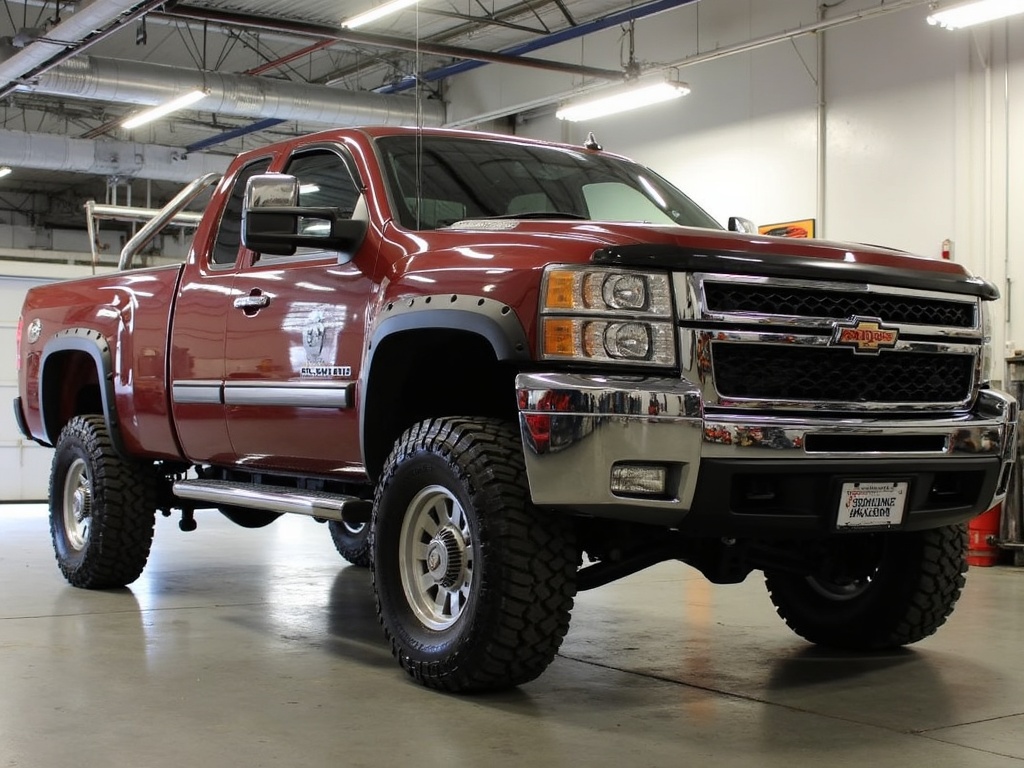
    Work vehicles get abused. From configuration, so much depends on how successful work gets done and how long it lasts. Unfortunately, not all modifications stand the test of time – some do a great benefit in keeping work easy and natural and seemingly intuitive, while others are just flashy additions that no one will ever really use. Ultimately, vehicle modifications that increase work output and those that don’t come down to a reliable understanding of what makes a measurable difference in day-to-day work compared to an aesthetically pleasing component.

    Function Over Flash

    The aftermarket vehicle modification world is chock full of beneficial opportunities for work-related transformations. Unfortunately, some work, some don’t, and some are solutions to problems that exist for few people who work out of vehicles – while others exist merely as a consideration looking for a problem. Vehicle owners should seek modifications that offer solutions to existing jams or issues in current workflows.

    When it comes to the modifications that are just flash, they’re probably not going to withstand real work conditions – chrome plating on parts, frivolous light systems for visibility that’s not needed, complicated storage solutions that take more time than it would take just to do it the old-fashioned way – they waste budget with no benefit for output. The majority of benefits are modifiers that save time, increase capacity, promote safety and decreased manual stress in conjunction with cumulative benefits over a week – month – meaning they work.

    Ute Trays That Change Everything

    For dual cab utes in particular, those engaged in contracting/trades work rely on how the tray is positioned for ease or frustration to daily duties. In fact, the factory setting for many is adequate for light use but certainly not heavy-duty endeavors over long stretches. There comes a time when subtle shortcomings exist – tie downs aren’t enough, sideloading isn’t accessible enough, too much area is wasted or too compact due to its positioning, or the underlying structure isn’t sturdy enough to handle recommended payload.

    Once someone buys an aftermarket design or custom fabricates better and more appropriately suited to withstand standards needed for good use, there comes a time when payload has been expanded and efficiency has increased. Fewer trips to job sites need to happen; access from all angles is available to secure what needs to be done quickly instead of effort best practiced on a job site rather than getting everything situated to actually do the job in the first place. There are even appropriate securing methods with load distribution that suggests items stay put instead of getting banged up along the way.

    For those who custom fabricate or seek out designs that have exacting standards, there are dual cab ute tray plans online that suggest structural elements required and functional uses instead of speculating measurements and weight distribution points.

    This becomes not only a monetary financial ROI based on the purchase price but a cumulative financial ROI based on small things over time that reduce time and increase efficiency – five minutes per job site adds up quickly over two/three jobs per day. Fuel costs decrease because there are fewer trips. Wear and tear of essential belongings decreases because they’re secured better. Even safety increases due to better stabilization. It’s not too good to be true; it fits into a routine.

    Storage That Actually Gets Used

    There are good storage options and bad storage options for work vehicles. Good options assist workers in storing and obtaining things; bad options simply create new homes without the effort of unloading another cargo element for the sake of using a hammer out of one toolbox versus another. Storage that’s overly complicated is never used; money wasted.

    Effective storage solutions have three practical benefits – they keep items where they’re most needed, they’re easily accessible without a ton of prerequisites involved, they’re rugged enough for real-world work conditions as opposed to looking good at a trade show. For example, drawer organizers that shape and sculpt small pieces cut down effort futilely searching through bins; well-positioned side-mounted toolboxes or above with enough heft for accessibility once secured add cubic area without detrimental effects.

    If items meant for less-than-ideal conditions are brought down hard-to-reach areas or bins instead of loose within the cargo area out of sheer hassle dealing with the “box,” then these are modifications that fail regardless of what they looked like on paper.

    Capacity Improvements In Payload And Towing Limitations

    Many vehicles designated for work function at or just above their capacity 100% of the time. Unfortunately, with the right modifications, practical capacity can occur in a safe manner. New suspension systems help create heavier loads without sagging the vehicle down into disrepair. Reinforced mounting points prevent damage based on excessive use. Upgraded brake systems help safely stop loaded vehicles efficiently moving at high speeds.

    These modifications make sense for certain jobs that require effort at least where limits consistently reached on vehicles (and trailers) are justified. Contractors who require trailers full of materials/tools find vehicles lacking with weight versus recommended payloads unless changes occur. Landscapers who need dirt piles or stones have extra concerns but also operate within limits with proper modification.

    The operative word is “safely.” No one should add payload without appropriate modifications to suspension; no one should allow excess weight without upgraded stopping potential.

    Protection Modifications That Reduce Downtime

    Work vehicles experience conditions that demolish factory installed items if aftermarket protective considerations aren’t given. Essentially, once a factory part breaks down, additional value is lost as vehicles are repaired at added expense.

    Bull bars protect front ends from minor accidents, underbody protection prevents brakes or axels from uneven terrain; headlight guards keep light features from caving under bad weather.

    These aren’t superfluous additions; they act as hidden insurance policies against damage that may force a vehicle’s use taken away during peak efficiency when they would be drastically beneficial.

    The investment in a modification that prevents one significant repair or keeps a vehicle on-site during peak times of performance justifies additional expenses before compounded savings through reduced maintenance efforts and improvement in vehicle lifespan.

    Rock sliders, bash plates and upgraded recovery points assist when driving in specific conditions where damage could occur – if someone never goes off-roading or takes risky chances with their vehicles, these might be additional expenditures.

    Electrical And Lighting Improvements

    Good lighting allows for extended hours on job sites successfully – and it’s one of the most invaluable modifications for most working scenarios. Quality work lights illuminate areas more effectively; backup lights ensure everyone knows what’s behind a vehicle; marker lights create nighttime visibility.

    Electrical systems and associated upgrades provide additional effort wherever powered equipment/tool use might be desired within various recreational efforts in more isolated regions where generators aren’t practical but could be frustrating if not monitored – various dual battery systems, appropriately rated outlets, inverters all create powered sources instead of needing to drag something with the vehicle along.

    Time saved from setting up/pulling generators on either side adds up rapidly.

    The problem with electrical modifications is installation – cheap jobs create unreliable situations. Poor wiring and poor waterproofing; power that drains starter batteries causes more harm than good. Proper electrical applications create reliable power sources instead of questionable devices creating reliability issues themselves.

    The Bottom Line On Modifications

    Vehicle modifications that enhance work output share certain criteria – they respond to specific challenges in workflow patterns better than anticipated, they’re robust enough for real-world work challenges, they provide far more time/capacity savings than initial expenditures suggest.

    The best approach to proper modification is assessing deficiencies found in newly purchased/factory issued vehicles first. Once these have been assessed then look into inadequacies that appear down the line and invest accordingly.

    Modifications should be assessed based on their ability to increase efficiency or safety based on easy and reliable means relative to the specific work being done – not their aesthetic value or price tag.

  • Why One Pickup Truck Has Outsold Everything Else for Decades

    Why One Pickup Truck Has Outsold Everything Else for Decades

    Why One Pickup Truck Has Outsold Everything Else for Decades

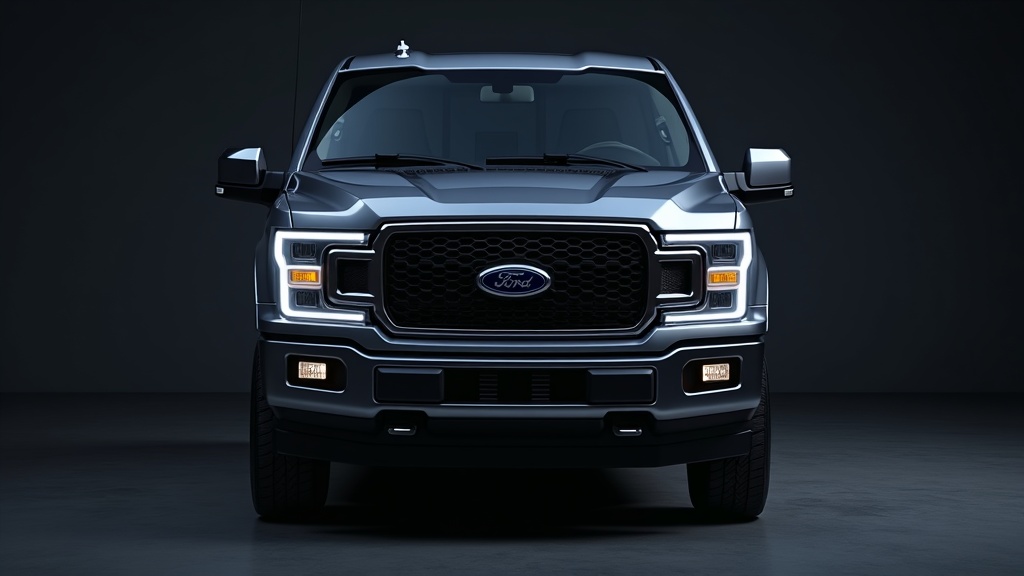
    The Ford F-150 doesn’t just sell well. It dominates. Year after year, decade after decade, it outsells not just other trucks but entire categories of vehicles. No sedan, SUV, or crossover comes close to its consistent sales numbers.

    This isn’t luck or clever marketing alone. The F-150’s enduring success comes from a combination of smart design choices, market positioning, and an ability to adapt that most vehicles never achieve.

    The Foundation of Flexibility

    What made the F-150 different from the start was versatility. While competitors often forced buyers to choose between capability and comfort, the F-150 offered both in varying degrees across its lineup.

    Need a basic work truck? There was an F-150 for that. Want something more comfortable for daily driving? Different F-150. Looking for luxury features with truck capability? Still an F-150.

    This range within a single model meant Ford captured buyers across the entire truck market rather than fighting for one segment. A construction company and a suburban family could both find exactly what they needed under the same nameplate.

    Looking at Ford truck history reveals this strategy evolving across generations, with each iteration expanding the range of what the F-150 could be without losing its core identity as a capable truck.

    Building on Reputation

    Once the F-150 established itself as reliable and capable, that reputation became self-reinforcing. Buyers who had good experiences told others. Businesses that used F-150s for work bought more F-150s. Families that grew up riding in them bought their own.

    This reputation didn’t happen by accident. Ford focused on dependability and durability in ways that mattered to truck buyers. These vehicles needed to handle heavy loads, rough conditions, and years of hard use without constant repairs.

    When trucks live up to those expectations, owners become advocates. They recommend them to friends, family, and coworkers. Word-of-mouth marketing based on actual performance is more powerful than any advertising campaign.

    The Right Innovations at the Right Times

    The F-150’s success also comes from knowing when to innovate and when to stay conservative. Ford has made bold changes—like switching to aluminum body panels—but only after extensive testing and development.

    These innovations weren’t just different for the sake of being different. They solved real problems. The aluminum switch reduced weight, improving fuel economy without sacrificing strength. That mattered to buyers facing higher fuel costs and stricter efficiency requirements.

    Other changes focused on making trucks more practical for everyday use. Better interiors made them comfortable for commuting. Improved ride quality meant they weren’t punishing on regular roads. Technology additions brought them in line with cars and SUVs.

    Each generation kept what worked while fixing what didn’t. This evolutionary approach prevented the radical redesigns that can alienate existing buyers while still attracting new customers.

    Multiple Markets, One Vehicle

    Part of the F-150’s dominance comes from successfully serving completely different buyers without fragmenting into separate models. A landscaping business and a weekend adventurer both see the F-150 as the right choice, even though their needs barely overlap.

    This works because the F-150 lineup is really several different trucks sharing a common platform and name. The variety of cab sizes, bed lengths, engine options, and trim levels creates hundreds of possible configurations.

    Someone who needs a basic two-door with a long bed for hauling equipment can get that. Someone else wanting a four-door with luxury features and the latest technology can get that too. Both are buying F-150s, but they’re essentially different vehicles.

    This strategy captures more of the market than specialized models ever could. Instead of losing sales to competitors offering what Ford doesn’t, the F-150 lineup probably already includes it.

    Adapting to Changing Buyers

    Truck buyers today want different things than truck buyers wanted 30 years ago. Many modern pickup owners rarely haul heavy loads or tow trailers. They want trucks for the capability when needed, but they’re driving them daily for regular transportation.

    The F-150 adapted to this shift. Higher trim levels offer luxury that rivals premium sedans. Technology packages include features buyers expect in any modern vehicle. Comfort and refinement improved dramatically across generations.

    But crucially, Ford didn’t abandon the work truck market while chasing lifestyle buyers. The basic, capable work trucks still exist for businesses and contractors who need them. The lineup expanded upward without cutting off the bottom.

    This both-directions approach meant Ford kept its traditional buyers while attracting new ones. Competitors who focused too heavily on either luxury or utility left market segments open. The F-150 filled them all.

    The Power of Market Leadership

    Being the best-seller creates advantages that reinforce the position. Dealers stock more F-150s because they sell. More inventory means more choices for buyers and faster availability. Better availability drives more sales.

    The huge sales volume also supports better resale values. Buyers know F-150s are popular and easy to sell later. Strong resale value makes the initial purchase easier to justify. People buying trucks often consider long-term cost of ownership, and good resale helps.

    Parts availability and service accessibility also benefit from popularity. Any mechanic can work on F-150s. Parts are easy to find. This matters to buyers who keep vehicles long-term or use them for work.

    Learning From Mistakes

    Not every F-150 generation or feature was successful. Ford has made decisions that didn’t work and had to reverse course. But the company’s willingness to acknowledge and fix mistakes helped maintain buyer trust.

    When something didn’t perform as promised or buyers rejected a feature, Ford adjusted. This responsiveness kept the F-150 relevant and showed Ford was listening to feedback rather than stubbornly sticking with unpopular choices.

    The ability to learn and adapt across decades—not just maintain one successful formula—is part of why the F-150 stayed dominant while other once-popular vehicles faded.

    The Compound Effect

    None of these factors alone explains the F-150’s enduring dominance. It’s the combination that creates something competitors struggle to match. Good reputation plus wide model range plus smart innovation plus market adaptation plus leadership advantages all multiply each other’s effects.

    Competing with the F-150 isn’t just about building a good truck. It’s about overcoming decades of accumulated advantages in reputation, dealer network, buyer familiarity, and market position. That’s a much harder challenge than simply designing a capable vehicle.

    What It Takes to Stay on Top

    The F-150’s continued success isn’t guaranteed. It requires constant attention to what buyers want, willingness to innovate, and maintenance of the quality and capability that built the reputation.

    Other vehicles have been best-sellers and lost that position. Staying on top for decades requires never becoming complacent. The F-150 has managed this so far by treating each generation as an opportunity to improve rather than just a refresh of what already works.

    For buyers, the F-150’s dominance reflects something working right. People don’t consistently choose the same vehicle for decades unless it’s genuinely meeting their needs better than alternatives. The sales numbers aren’t just marketing success—they’re evidence that Ford figured out what truck buyers want and keeps delivering it.

  • The Real Cost of Owning a Sports Car: Understanding Financial Implications and Maintenance Challenges

    The Real Cost of Owning a Sports Car: Understanding Financial Implications and Maintenance Challenges

    Owning a sports car is often seen as a thrilling pursuit, offering an exhilarating driving experience that captivates many enthusiasts. The real cost of owning a sports car extends far beyond the initial purchase price, encompassing ongoing expenses such as insurance, maintenance, and fuel consumption. Buyers often underestimate these factors, which can significantly affect their overall financial commitment.

    In addition to the high-performance appeal, potential owners should consider the practical implications. The costs associated with servicing and repairs for sports cars can be notably higher than for standard vehicles, impacting long-term affordability. Furthermore, insurance premiums can soar based on the vehicle’s make and model, adding to the annual budget required for ownership.

    Ultimately, while the allure of a sports car is undeniable, it is essential to weigh the financial responsibilities against the dream of driving one. Understanding the comprehensive costs involved allows prospective buyers to make informed decisions and truly appreciate the investment they are making.

    Financial Considerations

    Owning a sports car involves various financial commitments beyond the initial purchase. Key factors include the initial purchase price and depreciation rates, ongoing insurance costs and taxes, as well as maintenance and repair expenses.

    Initial Purchase Price and Depreciation

    The initial purchase price of a sports car varies significantly across models. For instance, a brand-new Ferrari 488 can start at around £200,000, while a Mazda MX-5 might be available for £25,000.

    Depreciation is a crucial aspect. New sports cars often lose value quickly, especially within the first few years. The Porsche 911 typically holds its value better than many rivals, maintaining around 60% of its value after three years. In contrast, more affordable models like the MX-5 may depreciate faster but remain appealing in the used market due to lower entry costs.

    Insurance and Taxes

    Insurance premiums for sports cars can be substantially higher than for standard vehicles. Factors influencing the cost include the car’s value, performance specifications, and the owner’s driving history. A Ferrari may demand yearly premiums upwards of £3,000, whereas a Mazda MX-5 could attract rates closer to £800.

    In addition to insurance, vehicle tax rates vary based on emissions and value. High-performance models typically incur higher taxes due to their environmental impact. Potential buyers should factor these recurring expenses into their budget before committing.

    Maintenance and Repairs

    Maintenance and repair costs are significant considerations when owning a sports car. Routine servicing can range from £300 to £1,000 annually, depending on the model and service level. Specialised parts for luxury sports cars often lead to higher repair costs.

    For example, replacing brakes or tyres on a Ferrari can exceed £2,000, while more affordable options like the Mazda MX-5 might be closer to £600. When planning for ownership, it’s vital to account for the potential need for high-performance parts and skilled mechanics, which can impact overall financial obligations.

    Performance and Ownership Experience

    The performance and ownership experience of a sports car encompasses driving pleasure, everyday usability, and fuel considerations. Each aspect significantly influences the overall satisfaction of owning such a vehicle.

    Driving Pleasure and Handling

    Sports cars are engineered for speed and agility, providing a thrilling driving experience. Their advanced suspension systems and low centres of gravity enhance handling, allowing for sharp cornering and precise steering.

    Many sports cars feature turbocharged engines or V6/V8 configurations that deliver impressive power. The acceleration from 0 to 60 mph can often be achieved in under four seconds, appealing to enthusiasts.

    Track days are a significant draw for owners, offering opportunities to push their cars to the limit. This aspect of ownership can enhance the overall enjoyment and provide a unique connection to the vehicle.

    Everyday Usability and Comfort

    While sports cars excel in performance, everyday usability varies among models. Many offer surprisingly adequate trunk space and seating for daily errands.

    Comfort can be a trade-off, as many sports cars prioritise performance over plush interiors. Seats may be firmer, and ride quality can be stiffer compared to standard vehicles.

    Visibility is another factor, with some models featuring larger rear and side windows, while others have limited sightlines due to design. Potential owners should consider how often they plan to use their sports car as a daily driver.

    Fuel Considerations

    Fuel efficiency in sports cars can vary dramatically. High-performance engines are often less fuel-efficient, especially during spirited driving. A typical sports car might achieve around 20-25 mpg in urban settings, depending on driving habits.

    Some newer models utilise hybrid technology to improve fuel economy without sacrificing performance. Owners should be aware that premium fuel is usually required, impacting ongoing ownership costs.

    In terms of fuel type, many sports cars run on high-octane petrol, which can be more expensive. This aspect is essential for prospective buyers considering total operating costs.

    Social Implications and Prestige

    Owning a sports car often carries significant social implications. Many view these vehicles as symbols of success and wealth. This perception can elevate an owner’s status among peers.

    Prestige Factors:

    • Brand Reputation: High-end manufacturers like Ferrari and Porsche attract attention.
    • Exclusivity: Limited production numbers can enhance desirability.
    • Performance: The engineering behind these cars often impresses enthusiasts.

    People may associate sports car ownership with higher intelligence, ambition, or financial acumen. This can lead to positive social interactions but also invites scrutiny.

    Conversely, the sportscar community can foster camaraderie. Owners often participate in clubs or events, reinforcing a shared identity. Cars can serve as conversation starters, connecting individuals from diverse backgrounds.

    Yet, the choice of vehicle can attract criticism. Some may view sports cars as impractical indulgences rather than sensible investments. This can create divisions in social circles, where values surrounding wealth and environment differ.

    Buying a sports car often affects relationships. Friends or family may change their perceptions based on the owner’s financial choices. This shift can create both admiration and envy.

    Ultimately, the prestige associated with sports cars is multifaceted. It can enhance social standing while also provoking criticism. Understanding these dynamics is essential for prospective owners.

  • The Psychology of Road Rage: Understanding Aggression Behind the Wheel

    The Psychology of Road Rage: Understanding Aggression Behind the Wheel

    Road rage is a significant concern on today’s busy roads, often leading to aggressive driving and dangerous encounters. Many drivers experience an increase in anger when faced with frustrating situations, such as traffic jams or reckless behaviour from others. Understanding the psychology behind road rage helps to identify triggers and develop coping strategies to remain calm and drive safely.

    Aggressive driving behaviours can stem from stress, impatience, and a sense of anonymity while behind the wheel. This disconnection between drivers and their surroundings can lead them to act in ways they might not consider in face-to-face interactions. Recognising these psychological factors is essential for fostering safer driving environments.

    By exploring the underlying emotions of anger and frustration that fuel road rage, individuals can learn to manage their reactions better. With awareness and practical techniques, it’s possible to transform the driving experience from one of aggression into one of patience and understanding.

    Understanding Road Rage

    Road rage encompasses a range of aggressive behaviours exhibited by drivers, influenced by psychological and environmental factors. It not only leads to dangerous driving situations but can also result in severe accidents and fatalities.

    Psychological Factors Behind Aggression

    Individual psychological traits play a critical role in road rage. Drivers with higher levels of hostility and irritability are more likely to engage in aggressive driving behaviours.

    Factors such as stress, personality disorders, and a sense of entitlement can exacerbate aggression on the road. These individuals may perceive minor annoyances, such as a slow driver or an unexpected lane change, as personal attacks.

    The capacity to regulate emotions is vital. Those with poor emotional control may react impulsively, leading to extreme behaviours. The Fatality Analysis Reporting System indicates a correlation between aggressive behaviours and increased accident rates, highlighting the importance of addressing these psychological elements.

    The Impact of Environmental Factors on Driving Behaviour

    Environmental factors significantly influence driving behaviours and can trigger road rage. Heavy traffic congestion, poor weather conditions, and road construction create stressful driving environments.

    In such scenarios, drivers may become frustrated, contributing to aggressive responses. Studies show that high-density urban areas experience higher incidents of road rage compared to rural settings.

    Additionally, cultural attitudes towards driving can shape behaviours. In societies where aggressive driving is common and often accepted, individuals are more likely to exhibit road rage. These environmental impacts must be considered to develop strategies that mitigate aggression on roadways.

    Aggression on Roadways: From Anecdotes to Data

    Aggression on roadways manifests in various forms, ranging from verbal confrontations to physical altercations. Anecdotal evidence suggests that aggressive behaviours escalate quickly under pressure.

    Quantitative data supports these observations. Research indicates that road rage incidents are closely tied to specific triggers, such as tailgating and honking. The Fatality Analysis Reporting System shows increased fatalities connected to aggressive driving.

    Statistics reveal that aggressive driving behaviours, including speeding and weaving through traffic, contribute to a significant percentage of traffic-related deaths. Understanding these patterns is crucial for informing policy and traffic management strategies aimed at reducing road rage incidents.

    Consequences and Safety Concerns

    Road rage has significant repercussions not only for aggressive drivers but also for innocent road users. The combination of aggressive driving, traffic congestion, and heightened driver stress creates a hazardous environment on the roads. Studies have shown that drivers who frequently engage in aggressive behaviors are more likely to be involved in collisions, putting themselves and others at serious risk.

    For those affected by accidents caused by aggressive drivers, understanding legal options is crucial. Consulting a Philadelphia personal injury lawyer, MyPhillyLawyer, or other experts nearby can help victims navigate claims, seek compensation, and address the physical, emotional, and financial consequences of such incidents. This section examines the correlation between aggressive driving behaviours and traffic incidents, the impact of traffic congestion on driver mental states, and the risk assessments of high-anger drivers. By addressing both the dangers on the road and the aftermath for victims, it becomes clear how critical it is to prioritize safe driving and appropriate legal support.

    The Correlation Between Aggressive Driving and Accidents

    Aggressive driving is closely linked to a higher risk of traffic accidents. Data indicates that behaviours such as tailgating, frequent lane changes, and excessive speeding significantly increase the likelihood of collisions. For instance, studies show that aggressive drivers are 10 times more likely to be involved in a crash compared to cautious drivers.

    Notably, road rage often escalates from minor conflicts, like a driver cutting in, to severe incidents that can result in injury or fatality. Traffic safety advocates emphasise the importance of recognising and mitigating aggressive behaviours to create safer roadways for everyone.

    Moreover, when these aggressive behaviors lead to serious accidents, victims often face medical bills, lost income, and long-term consequences that go far beyond the initial collision. And to navigate these challenges and protect their rights, people often work with Personal Injury Lawyers Miami (or elsewhere) who can help gather evidence, establish liability, and pursue fair compensation for the harm they’ve suffered.

    Traffic Congestion and Driver Stress

    Traffic congestion is a common catalyst for increased driver stress, which can amplify aggressive behaviours. As drivers become frustrated with delays and the inability to control their environment, they may engage in risky actions. The effect of prolonged congestion can lead to irritability and, ultimately, road rage.

    Surveys indicate that congested conditions can raise cortisol levels in drivers, heightening anxiety and diminishing their patience. This combination of stress and frustration often results in aggressive actions, which not only threaten their safety but also that of others on the road.

    High-Anger Drivers: Risk Assessment

    High-anger drivers present a distinct risk to traffic safety. These individuals tend to underestimate the dangers associated with aggressive driving, believing that they can control situations that are inherently unpredictable. Their propensity to engage in reckless behaviours makes it essential for other drivers to remain vigilant.

    Research suggests that high-anger drivers are less likely to recognise their own limitations, often leading to poor decision-making in high-pressure situations. They may also misinterpret other drivers’ actions, escalating minor misunderstandings into dangerous confrontations. It is crucial to address this issue through driver education and awareness initiatives that promote emotional regulation while driving.

    Managing and Mitigating Road Rage

    Addressing road rage requires a multifaceted approach. Effective management strategies can enhance driving experiences and contribute to safer roads. This involves both personal techniques and professional interventions.

    Strategies for Anger Management on the Road

    Implementing specific strategies can greatly reduce the likelihood of experiencing road rage. Drivers should recognise their triggers and practice self-awareness. Keeping a calm demeanour can be supported by reframing situations. For instance, viewing aggressive drivers as stressed individuals may reduce personal frustration.

    Creating a motivational approach can also help. This could include listening to calming music or audiobooks. Setting realistic expectations about travel times enables drivers to stay relaxed, even when faced with delays. Using positive affirmations before driving helps maintain a peaceful mindset.

    Despite these preventative measures, accidents may still occur, often as a result of another motorist’s road rage or negligence. In such cases, individuals must seek appropriate medical attention and support. Moreover, legal assistance might be necessary to navigate insurance issues and protect their rights. Experienced personal injury lawyers can provide valuable guidance by helping victims understand their options and pursue any compensation they may be entitled to.

    Relaxation Techniques and Cognitive Restructuring

    Relaxation techniques serve as effective tools for managing stress on the road. Deep breathing exercises can help alleviate tension. When anxiety arises, taking slow, deliberate breaths can bring focus back to the present moment.

    Cognitive restructuring plays a key role in transforming negative thought patterns. Instead of dwelling on disturbances caused by other drivers, one might consider questioning the validity of those feelings. Challenging irrational thoughts fosters a more rational perspective. This shift can drastically change emotional reactions in intense driving situations.

    Legal and Therapeutic Interventions for Reckless Driving

    When road rage escalates to reckless driving, legal and therapeutic interventions may be necessary. Traffic laws penalising aggressive behaviours can deter further incidents. Fines or points on one’s licence serve as reminders of the consequences of unruly conduct on roadways.

    In cases where reckless or aggressive driving results in accidents or injuries, seeking legal guidance can be essential. Consulting a personal injury lawyer like those from prominent firms like Jimmy Knows!® or similar others, ensure that victims understand their rights, receive fair compensation, and navigate insurance claims effectively. These professionals play a key role in helping individuals recover both financially and emotionally after an incident caused by road rage or negligence.

    Professional psychological interventions prove beneficial for persistent issues. Anger management classes teach valuable skills for controlling aggressive impulses. Therapy can uncover underlying stress factors that contribute to roadway frustrations, offering deeper insights and coping mechanisms.

    Promoting Traffic Safety and Positive Driving Culture

    Promoting traffic safety and fostering a positive driving culture involves targeted educational efforts, supportive policies, and an emphasis on personal responsibility. Addressing anger management and mental health in the context of driving can significantly reduce aggressive behaviour on the roads.

    Educational Programmes and Campaigns by Traffic Organisations

    Traffic organisations, such as the AAA Foundation for Traffic Safety, implement educational programmes aimed at increasing awareness of safe driving practices. These programmes often include workshops that educate drivers about emotional regulation and the Driving Anger Scale.

    By highlighting the relationship between maladaptive anger and aggressive driving, these initiatives teach drivers to recognise triggers. Campaigns may utilise various media, including social platforms, to spread key messages about the dangers of road rage.

    Additionally, visual aids like posters and infographics reinforce messaging, making the concepts more memorable. Each campaign seeks to create a culture where safe driving is valued and prioritised, impacting attitudes and behaviours.

    Influencing Policy and Legislation

    Legislation plays a critical role in shaping traffic safety standards. Advocacy for laws that address aggressive driving behaviour can lead to harsher penalties for offenders. Policies that promote mental health resources for drivers can also be effective.

    By working with lawmakers, traffic safety advocates push to create awareness about the costs of road rage. This includes studies indicating that impulsiveness can exacerbate aggressive behaviour behind the wheel.

    Moreover, integrating mental health education within driving tests could help instil a greater sense of responsibility. Legislative efforts can ultimately lead to a societal shift towards accountability in driving contexts.

    Encouraging Personal Responsibility and Relaxation Coping Skills

    Encouraging personal responsibility is vital in curbing road rage. Drivers should be equipped with relaxation coping skills to manage feelings of anger and frustration. Techniques such as deep breathing, mindfulness, and taking breaks can mitigate impulsive reactions.

    Workshops and resources that promote these skills can be integrated into community programmes. By providing practical tools, individuals learn to navigate challenging driving situations without resorting to aggressive behaviours.

    Additionally, building awareness about mental health and its connection to driving can foster empathy among drivers. When individuals recognise the impact of their emotions on their behaviour, they may be more inclined to adopt a calmer approach on the roads.

  • What Really Happens If You Skip Car Maintenance?

    What Really Happens If You Skip Car Maintenance?

    So, someone’s got a car and thinks, “It’s fine, I’ll take it in later.” Then later turns into weeks, then months. Everything seems okay—until something major breaks down, usually at the worst time possible. Skipping car maintenance might not seem like a big deal, but it quietly causes problems that grow more expensive and dangerous over time.

    This isn’t about being a car expert. It’s about understanding that a car, just like anything else with moving parts, needs regular care to keep working the way it should.

    It Starts Small… Then Builds Up Fast

    At first, nothing really feels different. The engine starts, the tires roll, and the brakes work. But inside the car, parts are slowly wearing out or getting dirty. Fluids might be low. Filters might be clogged. Belts and hoses could be cracking. None of that is visible unless someone actually checks.

    Even things as simple as topping up oil or replacing an old air filter make a big difference. Regular car maintenance helps catch small problems before they grow into major ones, like an engine that overheats or brakes that don’t stop fast enough.

    Letting those small issues go for too long means they combine into big repairs—ones that cost more money and can leave someone stranded by the side of the road.

    The Engine Doesn’t Like Being Ignored

    The engine is basically the heart of the car. If it’s not looked after, it starts to wear down faster. Skipping oil changes is one of the most common mistakes. Engine oil keeps all the metal parts moving smoothly without grinding together. When the oil gets dirty or runs low, parts start scraping and overheating.

    Eventually, this can lead to engine failure—which usually means thousands of dollars in repairs or a full replacement. And at that point, some people just end up buying a new car because it costs less than fixing it.

    So, something as simple as changing the oil regularly can literally save a car’s life.

    Brakes Can’t Protect What They Don’t Know About

    Brakes are one of those things people don’t think about until they stop working properly. They wear down a little every time the car is driven. Skipping maintenance means missing the chance to catch worn-out brake pads or leaks in the brake fluid system.

    When brakes aren’t checked, there’s a higher risk of them failing suddenly. That’s a serious safety issue, especially when driving in bad weather or around lots of traffic.

    Catching brake issues early can be as easy as listening for strange noises or paying attention to how the brake pedal feels. But better yet, regular checkups can spot problems before they even get noticed.

    Tires Don’t Last Forever

    Tires need more than just air. They wear down unevenly if not rotated, and they lose grip when the tread gets too low. Bald tires make it harder to stop quickly, especially on wet roads, and increase the risk of sliding.

    If tires aren’t checked during regular maintenance, it’s easy to miss damage, uneven wear, or dangerous bald spots. That’s not just bad for the car—it’s bad for everyone on the road.

    Plus, tires that aren’t properly inflated or aligned can cause the car to use more fuel, which just ends up costing more money in the long run.

    Small Leaks Turn Into Big Repairs

    Leaking fluids might seem harmless at first. Maybe there’s a little puddle under the car, or a strange smell coming from under the hood. But those small signs often mean something important—like coolant, oil, or transmission fluid—is leaking out.

    Without enough of these fluids, the systems they support start to break down. An overheating engine, slipping gears, or burning smells can follow, and repairs only get more expensive the longer they’re ignored.

    Routine checks during car maintenance help spot leaks before they cause damage. Catching something early might just mean replacing a hose instead of an entire transmission.

    Warning Lights Aren’t Just Decorations

    When the check engine light comes on, it’s easy to hope it’ll go away. Sometimes it does—but that doesn’t mean the problem’s gone. The light is there for a reason. It means something inside the car’s system isn’t working the way it should.

    Ignoring that warning might not seem like a big deal at first. But depending on the issue, it can lead to engine damage, loss of power, or even complete breakdown.

    During regular maintenance, mechanics use tools to figure out exactly why a warning light is on. That way, small problems can be fixed before they turn into car-ending ones.

    More Time in the Shop (And Less on the Road)

    Cars that don’t get regular maintenance usually end up spending more time at repair shops. That means more waiting around, finding rides, or missing important things—like work or school.

    Cars that are looked after properly are more reliable. They don’t suddenly stop working when least expected, and they tend to drive smoother and safer overall.

    It’s not about avoiding every problem forever. It’s about reducing how often things go wrong and making sure those problems are easier and cheaper to fix.

    It Costs More Not to Do It

    A lot of people skip car maintenance because they think it saves money. But in the long run, the opposite is usually true. Fixing one big problem caused by ignoring simple maintenance often costs way more than regular checkups ever would.

    Oil changes, fluid top-ups, tire checks—these things are cheaper than replacing engines, fixing transmissions, or buying new tires after a blowout.

    Some insurance policies or warranties also expect people to keep up with maintenance. If they don’t, those protections might not apply when something breaks.

    So skipping it doesn’t just risk the car—it risks having to pay for everything out of pocket.

    You Don’t Have to Know Everything About Cars

    Not everyone needs to be a mechanic. But it helps to know the basics and to trust someone who does. Whether it’s a local garage or a regular mechanic, getting a car checked on schedule means a lot fewer surprises later.

    Paying attention to weird sounds, dashboard lights, or how the car feels when driving can help too. Even just checking the owner’s manual can give useful info about when to get certain services done.

    Final Thoughts

    Cars don’t take care of themselves. Skipping maintenance might not hurt right away, but over time it builds into major problems—some of them dangerous. Taking a bit of time now to get things checked can stop breakdowns, save money, and help the car last longer.

    It’s always better to be the one in control of when the car goes to the shop, not the one calling a tow truck after something went wrong.

    So if something feels off—or it’s just been a while—get it checked. Even small steps make a big difference.

  • The Most Scenic Drives in the US: Discover America’s Breathtaking Routes

    The Most Scenic Drives in the US: Discover America’s Breathtaking Routes

    There are countless routes across America that offer breathtaking views and unforgettable experiences. From coastal vistas to mountain ranges, the country is home to some of the most stunning scenic drives in the world. Many of these drives are established scenic byways that promise not only beautiful landscapes but also remarkable destinations along the way.

    Road trips have become a cherished tradition, allowing travellers to immerse themselves in the diverse beauty that the United States has to offer. Whether it’s the rugged coastline of Big Sur or the serene roads through the Rocky Mountains, each journey presents a unique opportunity for scenic exploration.

    As they navigate these picturesque routes, drivers encounter charming towns, vibrant wildlife, and panoramic vistas that invite exploration and appreciation. Enthusiasts of travel will find that these scenic drives are not merely routes to a destination, but experiences in their own right.

    Iconic Scenic Drives Across America

    America offers a range of iconic scenic drives that provide breathtaking views and unique experiences. These routes showcase the diverse landscapes, cultures, and histories across the country.

    Route 66: The Historic Route

    Route 66, known as the “Main Street of America,” spans approximately 2,448 miles from Chicago to Santa Monica. This historic highway is lined with vintage motels, diners, and landmarks, reflecting the spirit of American road travel.

    Key attractions include the Cadillac Ranch in Texas and the Grand Canyon in Arizona. The drive offers a glimpse into Americana, making it a must-see for those fascinated by classic road trips. Travellers can enjoy quirky roadside attractions and local cuisines along the way, enhancing the driving experience.

    Pacific Coast Highway: California’s Dreamy Coastline

    The Pacific Coast Highway (PCH), also known as California State Route 1, winds along the stunning coastline from San Francisco to San Diego. This drive features dramatic ocean views, coastal cliffs, and lush landscapes that attract visitors year-round.

    Highlights include the iconic Bixby Creek Bridge and the picturesque town of Carmel-by-the-Sea. Numerous pull-offs allow for photo opportunities and exploration of hidden beaches. The PCH offers an unforgettable journey where the ocean meets the sky, making it ideal for leisurely drives and adventurous excursions.

    Overseas Highway: Island Hopping from Miami to Key West

    The Overseas Highway connects the Florida mainland to the Florida Keys, stretching about 113 miles. This route provides stunning views of turquoise waters, coral reefs, and lush palm trees.

    Drivers can experience the thrill of crossing a series of bridges, including the famous Seven Mile Bridge. Key stops such as Key Largo and Islamorada offer opportunities for diving, fishing, and enjoying fresh seafood. The drive culminates in Key West, where visitors can explore vibrant nightlife and historic sites, making it a perfect blend of relaxation and adventure.

    Natural Beauty and National Parks

    The scenic drives within the United States offer unparalleled access to stunning landscapes and natural beauty. National parks feature some of the most breathtaking routes, allowing travellers to experience diverse ecosystems, mountain ranges, and breathtaking views.

    Going-to-the-Sun Road: Glacier National Park’s Marvel

    Going-to-the-Sun Road is a remarkable 50-mile route through Glacier National Park in Montana. This historic road, completed in 1933, offers dramatic views of the park’s rugged mountains, pristine lakes, and diverse wildlife.

    Along the drive, visitors can witness highlights such as Logan Pass and St. Mary Lake. The road reaches an elevation of over 6,600 feet, providing panoramic views of glaciers and wildflower-covered slopes. Given the steep terrain, it typically opens in late June due to snowfall, making summer the ideal time for exploration.

    Skyline Drive and Blue Ridge Parkway: Mountain Splendour

    Skyline Drive runs 105 miles through Shenandoah National Park, winding along the crest of the Blue Ridge Mountains. The route features 75 overlooks, allowing motorists to stop and take in vast panoramas of the rolling hills and valleys below.

    The Blue Ridge Parkway, extending 469 miles from Shenandoah National Park in Virginia to Great Smoky Mountains National Park in North Carolina, is known for its stunning landscapes. With varying elevations, it offers changing views of lush forests, vibrant foliage in autumn, and Appalachian wildlife. Scenic picnic areas and hiking trails complement the drive, making it a full outdoor experience.

    Trail Ridge Road: Rocky Mountain National Park’s High-Altitude Wonder

    Trail Ridge Road is the highest continuous paved road in North America, reaching 12,183 feet in Rocky Mountain National Park. This stunning drive spans 48 miles and showcases dramatic mountain vistas, alpine meadows, and diverse ecosystems.

    Visitors can expect to see wildlife such as elk and marmots along the way. The road features numerous pullouts for photos and short hikes, ensuring everyone can experience the park’s beautiful landscapes. Typically open from late May to mid-October, it offers a unique opportunity to explore high-altitude environments while enjoying breathtaking views.

    Adventurous and Off-the-Beaten-Path Drives

    For those seeking adventure beyond typical routes, these drives offer unique challenges and stunning scenery. From thrilling twists to breathtaking landscapes, these selections promise excitement and a connection to nature.

    Tail of the Dragon: A Thrilling Challenge

    Located in North Carolina, the Tail of the Dragon features 318 curves in just 11 miles, making it a favourite among motorcyclists and drivers. It runs alongside the scenic Cherohala Skyway and boasts panoramic views of the Great Smoky Mountains.

    The route is renowned for its intensity, attracting thrill-seekers from across the country. Important points of interest include plentiful photo spots and a chance to experience a truly exhilarating drive. Keeping safety in mind, patience is essential, and it’s advisable to explore during off-peak hours for a more enjoyable experience.

    Beartooth Highway: Montana’s Breathtaking Scenery

    The Beartooth Highway offers one of the most spectacular drives in the United States. Stretching from Red Lodge, Montana, to Cooke City, it ascends to over 10,000 feet, with stunning views that include rugged mountains and alpine lakes.

    Travellers can expect to see diverse wildlife along this route, such as mountain goats and deer. Additionally, it serves as a gateway to Yellowstone National Park, making it a perfect choice for those eager to explore both the parks and the surrounding wilderness.

    Scenic Byway 12: Utah’s Alluring Landscapes

    Scenic Byway 12 showcases Utah’s remarkable landscapes, connecting Bryce Canyon and Capitol Reef National Parks. This route features striking rock formations, canyons, and vast plateaus.

    Along the way, drivers can stop at various viewpoints to take in the vibrant colours of the rock formations. The area is rich in history, with opportunities to learn about the indigenous peoples and early settlers. A variety of outdoor activities, such as hiking and photography, make this drive appealing for adventurers of all kinds.

    Seasonal Inspirations and Cultural Journeys

    Seasonal drives across the United States offer breathtaking views and enrich cultural experiences. The following routes embody the beauty of nature and the spirit of the regions they traverse. Each drive is a unique journey through vibrant landscapes and historical sites.

    Fall Foliage Tours: New England’s Colourful Canopy

    New England transforms spectacularly in autumn, creating a mosaic of red, orange, and yellow leaves. Scenic byways such as the Kancamagus Highway in New Hampshire and Route 100 in Vermont attract visitors seeking stunning fall foliage.

    During this season, quaint towns like Stowe and Woodstock celebrate harvest festivals, offering insights into local traditions. The combination of natural beauty and cultural experiences makes these drives truly memorable. Iconic landmarks, including the covered bridges of Vermont, enhance the charm of the journey.

    The Great River Road: Following the Mississippi

    The Great River Road offers a scenic journey alongside one of the most famous rivers in the United States. Spanning multiple states, this route showcases vibrant towns and picturesque views of the Mississippi.

    Along the way, travellers can discover landmarks such as the National Great River Museum and historical sites in places like Hannibal, Missouri. This drive provides a unique blend of history and nature, allowing an exploration of the cultural heritage tied to the Mississippi River.

    Hana Highway: Hawaii’s Coastal Connection

    The Hana Highway is renowned for its stunning coastal views and lush rainforests. Stretching about 64 miles on Maui, it features over 600 curves and numerous bridges. The journey offers access to pristine beaches, waterfalls, and vibrant local culture.

    Points of interest along the route include the scenic Wai’anapanapa State Park and the historic town of Hana. This drive captures the essence of Hawaii’s natural beauty and cultural richness, making it an unparalleled experience for visitors.

  • Hitting the Road: How Truck Driving Schools Help You Drive Big Rigs Like a Pro

    Hitting the Road: How Truck Driving Schools Help You Drive Big Rigs Like a Pro

    Big Rigs Keep Life Rolling

    Every time someone goes to the store, orders a package, or eats food that didn’t grow in their own backyard, it’s usually a big truck that made that possible. Trucks carry just about everything—groceries, toys, clothes, furniture, and even cars. Without trucks and the people who drive them, a lot of shelves would stay empty, and businesses couldn’t run the way they do.

    Driving a car can already be tricky sometimes. Driving a huge truck is a completely different challenge. A big rig is taller, longer, and way heavier than a regular car. It takes a lot more skill to steer, stop, and keep everything under control. That’s why truck drivers have to learn how to do it the right way so they stay safe and keep other people safe too.

    That’s where truck driving schools come in. They’re places where people get all the skills and practice they need to handle these massive vehicles. For anyone thinking about becoming a truck driver, places like Blue Horse Truck Driving Training School help people learn how to drive big trucks and prepare for the tests they’ll need to pass for their licenses.

    How Truck Driving Schools Teach New Drivers

    Truck driving school isn’t just sitting in a classroom looking at a book all day. Sure, there’s some studying involved because drivers need to know the rules of the road and how trucks work. But the real learning happens behind the wheel.

    At school, new drivers learn how a truck runs, how to shift gears without grinding them, and how to handle turns without swinging too wide. A big rig has way more gears than a car, and learning to shift them takes practice. Backing up a truck and parking it in tight spaces are also big parts of training. It’s not easy to squeeze a long truck into a small spot without hitting anything.

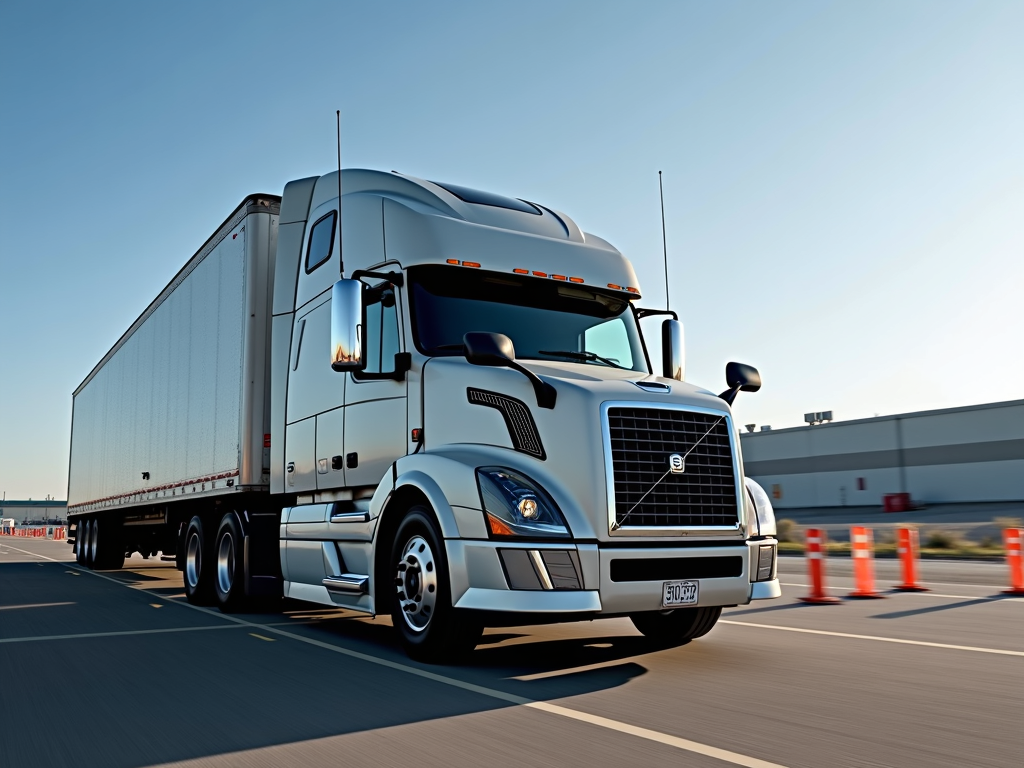
    Many schools have big practice areas where students drive around cones and practice stopping and turning. This helps drivers get used to how heavy and long trucks feel before heading out onto busy roads. Once they’re more comfortable, they go out for real driving on streets and highways, learning how to handle traffic, stoplights, and curves.

    Another important part of learning is how to check a truck before heading out. Drivers learn to look for leaks, test the brakes, check the lights, and inspect the tires. Finding problems early keeps drivers safe and helps avoid getting stuck far from home.

    Getting Ready for the Tests

    Before someone can drive a big truck for work, they need a special license. To get it, drivers have to pass a written test and a driving test. The written part asks questions about road rules, how trucks work, and how to stay safe. Truck driving schools help students study so they feel prepared and know what to expect.

    Then there’s the driving test. An examiner rides in the truck and asks the driver to show different skills, like turning without hitting curbs, stopping smoothly, and backing into a loading dock. It can feel a bit scary, but practicing with teachers makes it a lot easier.

    Truck driving schools break everything down into small steps. By the time drivers take their test, they’ve practiced over and over so they’re ready to show what they know.

    Safety Always Comes First

    Driving a truck is serious business because trucks are heavy and take longer to stop than cars. If a driver doesn’t know how to handle curves, bad weather, or traffic, it could lead to dangerous situations.

    Truck driving schools spend a lot of time teaching safety. Drivers learn to look far ahead on the road to spot any problems early. They learn how to slow down safely on wet, snowy, or windy roads. Keeping a safe distance from other vehicles is also super important, so there’s enough space to stop if needed.

    When drivers know how to stay safe, it doesn’t just protect them. It keeps families in cars, kids on bikes, and people walking along streets safe, too.

    Is Trucking The Career For You?

    Driving a truck can be a great career for people who enjoy being out on the road and seeing different places. Truck drivers get to travel to all sorts of towns and cities. Some drivers haul groceries, building supplies, or new cars. Others deliver goods for stores or help families move into new homes.

    A lot of trucking jobs pay well, and there’s usually a good amount of work. Trucking companies want drivers who’ve been trained properly and know how to handle big rigs safely. That’s why going to truck driving school can really help someone get a good job. Companies feel better hiring drivers who know how to do things the right way.

    Some truckers drive long routes that keep them on the road for days at a time. Others prefer shorter routes so they can come home every night. Truck driving schools help people figure out what kind of driving might fit their life best.

    It’s Not Just About Driving

    Driving is a big part of being a trucker, but there’s more to the job than just steering the wheel. Truck drivers often have to fill out forms showing where they picked up a load and where it’s going. They also have to plan their routes so they avoid roads with low bridges or places where trucks aren’t allowed.

    Truck driving schools teach drivers how to read maps, use GPS, and plan trips so they don’t get lost or stuck somewhere they shouldn’t be. Drivers also have to manage their time because deliveries often need to happen at specific times.

    Another big part of the job is dealing with people. Drivers learn how to speak politely to customers and workers at loading docks. Being friendly and professional helps drivers keep good relationships and can mean more work in the future.

    Why Training Matters

    Some people might think they can skip truck driving school and just figure it out on their own. But that’s really not a good idea. Driving a big truck is complicated and can be dangerous if someone doesn’t know what they’re doing. Truck driving schools teach drivers how to handle emergencies, what to do if the brakes fail, and how to stay calm when something unexpected happens.

    Learning from experienced teachers helps new drivers avoid picking up bad habits. They learn how to drive safely, follow the rules, and keep their trucks in good shape. Plus, practicing with help from pros makes passing the tests way easier.

    Keeping Roads Safe for Everyone

    Truck driving schools help make the roads safer for everybody, not just the drivers themselves. A trained driver knows how to handle a huge truck without putting other drivers or pedestrians at risk. When truck drivers do things the right way, it means kids riding in cars, families on bikes, and people walking along the street are all safer.

    Trucks might seem big and a little scary sometimes, but they’re super important for keeping stores stocked and businesses running. Skilled drivers keep things moving and help life run smoothly for everyone. Truck driving schools make sure those drivers know how to do the job safely and well.

    Looking Ahead to Life on the Road

    Truck driving schools play a huge part in helping people become skilled drivers ready for life behind the wheel. They teach everything from how to handle a massive truck to how to follow the rules and manage unexpected problems. It might take a lot of learning and practice, but it can lead to a solid career and the chance to see new places.

    Anyone curious about driving big rigs should check out truck driving schools. It’s the smartest way to learn what it takes to drive safely and build a future on the road. Truck drivers help keep the world moving every day, and thanks to proper training, they’re prepared for whatever comes their way.

  • The Most Iconic Motorcycles of All Time: A Journey Through Two-Wheeled Legend

    The Most Iconic Motorcycles of All Time: A Journey Through Two-Wheeled Legend

    Motorcycles have long captured the imagination of enthusiasts and casual riders alike, symbolising freedom and adventure. The most iconic motorcycles of all time not only exemplify engineering excellence but also represent significant cultural milestones. From the sleek designs of the early 20th century to modern powerhouses, these machines have shaped the landscape of motorcycling history.

    Each motorcycle holds a distinct place in the hearts of riders, influencing trends and inspiring generations. Famous models like the Harley-Davidson Panhead and the Honda CB750 have not only advanced technology but also created legacies. This article explores the motorcycles that stand out, showcasing their unique contributions and enduring appeal in popular culture.

    Readers will discover the stories behind these legendary bikes, learning what makes each one a timeless classic. Whether it’s a symbol of rebellion, a technological marvel, or a design icon, these motorcycles have left an indelible mark on the world.

    The Evolution of Iconic Motorcycles

    The journey of iconic motorcycles reveals significant innovations, design philosophies, and shifts in motorcycle culture. Each phase has shaped the landscape of motorcycling, reflecting broader changes in technology and society.

    Early Innovations and Classic Designs

    The early 20th century marked the inception of motorcycles as we know them. Notably, the BMW R32, introduced in 1923, showcased a revolutionary shaft drive and a boxer engine, setting a benchmark for future designs.

    Motorcycles like the Harley-Davidson Model 16 and the Indian Chief represented American ingenuity, combining power with style. These classic models forged a strong connection to motorcycling culture, exemplifying freedom and rebellion.

    These designs laid the groundwork for future innovations. Their aesthetic appeal and engineering excellence have kept them relevant in motorcycle enthusiasts’ minds. The legacy of these models continues to influence modern designs.

    The Birth of the Superbike

    The late 1960s and 1970s heralded the emergence of superbikes, a term associated with high-performance motorcycles designed for speed and agility. The Honda CB750, released in 1969, is often credited with starting this revolution. It featured a four-cylinder engine, disc brakes, and an electric start, making it a practical yet exhilarating option.

    This era also saw models like the Kawasaki Z1 and the Suzuki GS750, known for their power and styling. Superbike competitions further fuelled interest, leading to iconic models that captured the imagination of riders worldwide.

    The superbike phenomenon reinvigorated motorcycle culture, fostering a community that celebrated speed and performance.

    Modern Advances and Technological Innovation

    The 21st century has seen groundbreaking advancements in motorcycle technology, enhancing safety and riding experience. Features such as ABS, traction control, and suspension systems have improved handling and stability.

    Iconic motorcycles like the Ducati Panigale V4 exemplify this trend, boasting advanced aerodynamics and performance-engineered components.

    Electric motorcycles are also gaining traction, with brands like Zero Motorcycles and Harley-Davidson entering the market. These innovations suggest a shift towards sustainability without compromising performance. The fusion of technology and design continues to define modern motorcycles, creating new icons in the motorcycling world.

    Legendary Motorcycles Through the Decades

    Motorcycle design and engineering have evolved significantly, with iconic models marking the landscape of motorcycling history. This section highlights selected legendary motorcycles that defined their eras, showcasing innovation, performance, and cultural impact.

    Vintage Masterpieces

    The early 20th century produced motorcycles that remain revered today. The Brough Superior SS100, introduced in 1924, was heralded as the world’s first superbike, boasting speed and craftsmanship. Another classic, the Vincent Black Shadow, known for its power and sleek design, was produced in the late 1940s.

    The Harley-Davidson Knucklehead, released in 1936, redefined American motorcycle culture with its distinctive V-twin engine. The Indian Chief, a staple of American motorcycling, symbolises the spirit of freedom and adventure. Each of these machines showcases the meticulous artistry and engineering prowess of their time.

    Rebellious Icons of the 20th Century

    The 1960s and 1970s saw the rise of motorcycles that embodied rebellion and individuality. The Honda CB750, launched in 1969, combined performance with reliability, becoming a favourite among enthusiasts. Its introduction marked the beginning of the modern motorcycle era.

    The Triumph Bonneville, inspired by racing heritage, gained status as a symbol of counterculture. The Harley-Davidson Sportster has also maintained its rebellious reputation since the 1950s, becoming a canvas for customisation and personal expression. Additionally, the Kawasaki Z1, released in 1973, set new standards for speed and power.

    21st Century Pioneers and Adventurers

    Modern motorcycles continue to push the boundaries of technology and adventure. The BMW R1200GS is renowned for its role in adventure touring, with versatile performance on diverse terrains. Similarly, the Honda Africa Twin, a favourite among off-road enthusiasts, represents capability and endurance.

    For sport enthusiasts, the Yamaha YZF-R1 and Kawasaki Ninja have set benchmarks in performance and agility. The Ducati Monster has redefined naked bikes, combining aggressive styling with practicality. Lastly, the Suzuki Hayabusa stands out for its engineering prowess and speed, securing its position as an icon of modern motorcycling.

    Cultural Significance and Rider Identity

    Motorcycles have long represented more than just transport; they embody freedom, rebellion, and a unique culture. Riders often form identities intertwined with the iconic machines they choose, shaping their experiences and lifestyles.

    Freedom, Rebellion, and the Open Road

    For many, motorcycles symbolise freedom and a break from societal norms. Riders experience the thrill of the open road, feeling liberated from everyday constraints. The roar of a V-twin engine or the speed of a superbike creates a visceral connection with this sense of independence.

    Historically, motorcycles have been associated with rebellion. The legendary images of biker gangs and the counterculture of the 1960s exemplify resistance against conformity. Motorcycles like the Harley-Davidson and the Honda CB750 stand as icons of this spirit, appealing to those who value adventure and non-conformity.

    Motorcycling in Media and Pop Culture

    Motorcycles have a prominent place in movies, music, and art, reinforcing their cultural significance. Films like Easy Rider and The Wild One showcase the motorcycle as a vehicle of rebellion and freedom. These portrayals have solidified the cultural identity of motorcyclists as adventurous and independent individuals.

    The Ducati motorcycles, with their beautiful designs and powerful performance, have become symbols of desirability and status in popular media. Superbikes like the Suzuki GSX-R750 have also been featured in numerous action films, elevating their cultural impact. These representations foster a robust community among riders.

    The Shared Bond of Adventure Riders

    Adventure riders share a unique bond shaped by their journeys. The motorcycle community is built on mutual respect, camaraderie, and shared experiences. Riders often attend events and rallies, strengthening these connections through their love for the open road.

    Adventure motorcycles, designed for long-distance travel and rugged terrains, cater to those seeking exploration. Riders often retell tales of traversing locations like the Bonneville Salt Flats or tackling challenging trails. The collective enthusiasm for adventure fosters a sense of belonging among riders, who celebrate not just the ride itself, but also the friendships forged along the way.

  • Why Quality Car Parts Keep You Safer on the Road

    Why Quality Car Parts Keep You Safer on the Road

    What actually keeps you safe behind the wheel? It’s not just how carefully you drive or how often you service your car. It’s also about the quality of the parts that keep your vehicle running day after day.

    Cheap or poorly made parts might seem fine at first. They fit, they function, and they get you moving again. However, when it comes to safety, not all parts are created equal, and the differences can be massive.

    The Real-World Risks of Cutting Corners

    You won’t always see it coming. One day, your brakes start to feel a little off, or maybe the car starts pulling to one side on the highway. These problems often start small, but they’re not just annoyances; they’re warnings.

    Low-quality parts wear out faster, especially under stress. They often don’t meet the same standards for materials or testing. That means more risk of failure at the worst possible moment.

    It’s even more noticeable when maintaining vehicles with specific build requirements. For example, drivers looking for KIA car parts in Perth need to be sure those parts meet the original specifications, especially with imported models where compatibility and reliability really matter. It’s not just about making things fit. It’s about keeping your vehicle safe, stable, and roadworthy long-term.

    Safety Beyond the Obvious

    People usually think of safety features like airbags, ABS, or seatbelts. But in reality, many smaller and less visible components have just as much of an impact on how safe a vehicle feels and functions.

    Suspension components keep the tyres in constant contact with the road. A cheap bushing or worn shock can throw off your handling and increase stopping distances.

    Electrical parts, including lights, sensors, and wiring, need to be dependable in every condition. Faulty components here don’t just cause dashboard errors; they affect how your car responds to the environment.

    And then there’s steering. Any play or looseness caused by substandard tie rods or steering racks becomes a serious hazard at high speeds.

    So, while the major systems get all the attention, the smaller ones are just as vital. Each part plays a role, and when one fails, others often follow.

    What Sets Quality Parts Apart

    It’s not just about price. It’s about how well the part does its job under pressure, over time, and across different conditions.

    Look for parts that:

    • Meet original specifications – A proper fit prevents excess wear and protects other systems
    • Use higher-grade materials – Stronger components last longer and fail less often
    • Have consistent performance – Especially under heat, friction, or load
    • Come with documentation – Good parts usually include fitment guides or technical info
    • Are made by known, traceable manufacturers – Reliability is rarely a coincidence

    A reliable part won’t need replacing six months later, and it won’t leave you stranded on the side of the road with a bigger repair bill than you started with.

    Paying Now, Saving Later

    It’s tempting to go for the cheapest option, especially when you’re dealing with what seems like a minor repair. In the moment, it feels like a smart way to save money. But the reality is, lower-cost parts often create more problems than they solve.

    When a part is poorly made, it’s likely to wear out faster. That alone means you could end up replacing it sooner than expected. Worse still, if it doesn’t perform as it should, it can cause damage to nearby components, leading to bigger, more expensive repairs. In some cases, a faulty part can fail completely, leaving you stranded or putting your safety at risk.

    The short-term savings you get from choosing a cheap component often disappear quickly when you factor in repeat labour costs, emergency call-outs, or the added wear on your vehicle. It also means more time spent dealing with repairs and less time with a car that’s working the way it should.

    On the other hand, investing in a well-made part means greater reliability. It fits correctly, lasts longer, and does the job without causing issues elsewhere. The upfront cost might be slightly higher, but you’re paying for stability, peace of mind, and fewer headaches down the road.

    Know When to Be Picky

    Not every repair calls for top-tier parts. But there are some situations where quality should never be optional. If any of these apply, take the time to check the source and standard of the part you’re using:

    • It’s part of your braking, steering, or suspension systems
    • The component affects your visibility or lighting
    • You drive long distances regularly or use your car for work
    • You’ve had repeat issues in the same area
    • The part is known to be a common failure point for your model

    These are the moments when quality parts can make all the difference between safe driving and unexpected risks.

    Drive Safer, Not Just Smarter

    Most people don’t think much about the parts in their car until something breaks. But safety isn’t just about reacting quickly on the road. It’s about making decisions that reduce the chances of something going wrong in the first place.

    Choosing well-made, reliable parts means fewer breakdowns, better performance, and more peace of mind. Whether you’re upgrading a few components or doing a full repair, every part matters, and every part should be one you can trust.

    So the next time your mechanic asks what kind of part you want to use, think beyond the price tag. Think about the drive ahead, and what you’re really depending on to get you there.