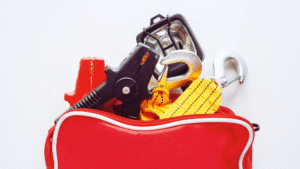

What actually keeps you safe behind the wheel? It’s not just how carefully you drive or how often you service your car. It’s also about the quality of the parts that keep your vehicle running day after day.
Cheap or poorly made parts might seem fine at first. They fit, they function, and they get you moving again. However, when it comes to safety, not all parts are created equal, and the differences can be massive.
The Real-World Risks of Cutting Corners
You won’t always see it coming. One day, your brakes start to feel a little off, or maybe the car starts pulling to one side on the highway. These problems often start small, but they’re not just annoyances; they’re warnings.
Low-quality parts wear out faster, especially under stress. They often don’t meet the same standards for materials or testing. That means more risk of failure at the worst possible moment.
It’s even more noticeable when maintaining vehicles with specific build requirements. For example, drivers looking for KIA car parts in Perth need to be sure those parts meet the original specifications, especially with imported models where compatibility and reliability really matter. It’s not just about making things fit. It’s about keeping your vehicle safe, stable, and roadworthy long-term.
Safety Beyond the Obvious
People usually think of safety features like airbags, ABS, or seatbelts. But in reality, many smaller and less visible components have just as much of an impact on how safe a vehicle feels and functions.
Suspension components keep the tyres in constant contact with the road. A cheap bushing or worn shock can throw off your handling and increase stopping distances.
Electrical parts, including lights, sensors, and wiring, need to be dependable in every condition. Faulty components here don’t just cause dashboard errors; they affect how your car responds to the environment.
And then there’s steering. Any play or looseness caused by substandard tie rods or steering racks becomes a serious hazard at high speeds.
So, while the major systems get all the attention, the smaller ones are just as vital. Each part plays a role, and when one fails, others often follow.
What Sets Quality Parts Apart
It’s not just about price. It’s about how well the part does its job under pressure, over time, and across different conditions.
Look for parts that:
- Meet original specifications – A proper fit prevents excess wear and protects other systems
- Use higher-grade materials – Stronger components last longer and fail less often
- Have consistent performance – Especially under heat, friction, or load
- Come with documentation – Good parts usually include fitment guides or technical info
- Are made by known, traceable manufacturers – Reliability is rarely a coincidence
A reliable part won’t need replacing six months later, and it won’t leave you stranded on the side of the road with a bigger repair bill than you started with.
Paying Now, Saving Later
It’s tempting to go for the cheapest option, especially when you’re dealing with what seems like a minor repair. In the moment, it feels like a smart way to save money. But the reality is, lower-cost parts often create more problems than they solve.
When a part is poorly made, it’s likely to wear out faster. That alone means you could end up replacing it sooner than expected. Worse still, if it doesn’t perform as it should, it can cause damage to nearby components, leading to bigger, more expensive repairs. In some cases, a faulty part can fail completely, leaving you stranded or putting your safety at risk.
The short-term savings you get from choosing a cheap component often disappear quickly when you factor in repeat labour costs, emergency call-outs, or the added wear on your vehicle. It also means more time spent dealing with repairs and less time with a car that’s working the way it should.
On the other hand, investing in a well-made part means greater reliability. It fits correctly, lasts longer, and does the job without causing issues elsewhere. The upfront cost might be slightly higher, but you’re paying for stability, peace of mind, and fewer headaches down the road.
Know When to Be Picky
Not every repair calls for top-tier parts. But there are some situations where quality should never be optional. If any of these apply, take the time to check the source and standard of the part you’re using:
- It’s part of your braking, steering, or suspension systems
- The component affects your visibility or lighting
- You drive long distances regularly or use your car for work
- You’ve had repeat issues in the same area
- The part is known to be a common failure point for your model
These are the moments when quality parts can make all the difference between safe driving and unexpected risks.
Drive Safer, Not Just Smarter
Most people don’t think much about the parts in their car until something breaks. But safety isn’t just about reacting quickly on the road. It’s about making decisions that reduce the chances of something going wrong in the first place.
Choosing well-made, reliable parts means fewer breakdowns, better performance, and more peace of mind. Whether you’re upgrading a few components or doing a full repair, every part matters, and every part should be one you can trust.
So the next time your mechanic asks what kind of part you want to use, think beyond the price tag. Think about the drive ahead, and what you’re really depending on to get you there.