Author: Dave Dobson

  • New Car vs Used Car: Weighing the Pros and Cons for Your Next Purchase

    New Car vs Used Car: Weighing the Pros and Cons for Your Next Purchase

    When considering whether to purchase a new car or a used car, consumers face a significant choice that can impact their finances and overall satisfaction. Buying a used car often presents better value for money, with lower upfront costs and reduced depreciation. While a new car boasts the latest features and warranty benefits, it can quickly lose value the moment it is driven off the lot.

    Market trends indicate that used cars are gaining popularity, thanks to improved quality over the years and reliable consumer reports highlighting their longevity. Many buyers find that purchasing a high-quality used vehicle meets their needs without the stress of hefty monthly payments associated with new models. This shift reflects a growing awareness of the advantages of second-hand vehicles, particularly for budget-conscious buyers.

    The decision between new and used ultimately hinges on personal priorities. Price, mileage, and vehicle features play crucial roles in determining the best fit for each individual. While a new car might appeal to those seeking the latest technology, a used car can offer considerable savings and a wider selection of models.

    Evaluating Costs and Depreciation

    Understanding the financial implications of new and used cars involves analysing depreciation and ownership costs. These factors significantly impact the overall expenditure and savings during the vehicle’s life.

    The Depreciation Factor

    Depreciation is the reduction in a vehicle’s value over time, which is more pronounced in new cars. Typically, a new car can lose 20-30% of its value within the first year. For example, if a new car costs £20,000, it could be worth only £14,000 after a year.

    Used cars, on the other hand, have already undergone significant depreciation. Their value tends to stabilise once they are around 3-5 years old, which makes them a more economical choice. Understanding the specific depreciation rates for different makes and models can guide potential buyers in making informed decisions about purchasing either a new or used vehicle.

    Understanding Ownership Costs

    Owning a car involves various costs beyond the purchase price. Maintenance costs tend to be higher for used cars due to wear and tear but can also vary based on the model and age of the vehicle.

    Insurance premiums usually differ as well. New cars generally come with higher insurance rates due to their value and the cost of repair. In contrast, used cars might be cheaper to insure, potentially saving money.

    Financing new cars often incurs higher interest rates compared to financing used ones. This difference can lead to substantial savings over the life of the loan. Additionally, new cars frequently include warranties that cover repairs and maintenance for a certain period, which can add to their appeal despite the higher initial price.

    Assessing Vehicle Condition and History

    Proper assessment of a vehicle’s condition and history is crucial when deciding between a new and used car. Key factors include vehicle history, previous ownership, and maintenance records, which significantly impact the vehicle’s longevity and reliability.

    Importance of Vehicle History

    Vehicle history offers insights into a car’s past, including any accidents, flood damage, or significant repairs. The Vehicle Identification Number (VIN) is essential for conducting a thorough history check.

    A report typically includes:

    • Previous owners
    • Service records
    • Any title issues

    Having access to this information can help buyers avoid a vehicle with hidden problems. Additionally, if the car is a certified pre-owned (CPO) model, it often comes with a more detailed history and inspection report, providing extra assurance.

    Mileage and Maintenance Records

    Mileage is a critical indicator of a vehicle’s wear. A higher mileage vehicle may have more significant wear and tear, but it’s essential to check its maintenance history.

    Buyers should seek:

    • Detailed service records
    • Proof of regular inspections
    • Documentation of repairs

    Regular maintenance by a qualified mechanic plays a crucial role in prolonging a vehicle’s life. Cars with consistent service records demonstrate attention to care, making them more reliable choices. Through both mileage assessment and maintenance history, buyers can make well-informed decisions.

    Comparing Safety, Reliability, and Technology

    The choice between new and used cars often hinges on critical factors such as safety features, reliability, and technological advancements. Understanding these elements provides valuable insight into making an informed decision.

    Safety Features and Ratings

    New cars typically come with a suite of modern safety features designed to protect occupants effectively. These may include advanced driver assistance systems (ADAS) like automatic emergency braking, lane-keeping assist, and adaptive cruise control.

    Safety ratings from organisations such as Euro NCAP highlight these advancements. Newer models often achieve higher ratings due to improved crash structures and enhanced safety technology. In contrast, used cars may lack these features and certifications, potentially compromising safety.

    Additionally, older models may not have undergone the same rigorous testing standards, which can affect their safety ratings significantly. Prospective buyers should consider the safety equipment available on used cars to ensure adequate protection on the road.

    Modern Technological Advancements

    New cars often incorporate cutting-edge technology, enhancing the driving experience and providing connectivity. Features like infotainment systems, smartphone integration, and advanced navigation are commonly found in newer models.

    These technologies can improve driver awareness and comfort, ultimately contributing to safer driving. Used cars, while potentially offering basic features, may lack the sophistication and integration found in new models.

    Buyers should evaluate the technological offerings of both new and used cars. Understanding the implications of these features can influence decisions, especially for those who prioritise connectivity and convenience while driving.

    Reliability Over Time

    Reliability is another vital aspect to consider. New cars come with warranties that typically last for three to five years, offering peace of mind in case of issues. Manufacturers design these vehicles to withstand wear and tear effectively.

    Conversely, a used car’s reliability depends on its age, mileage, and maintenance history. While some used cars maintain good reliability, others may present unexpected issues due to age.

    Researching a vehicle’s reliability ratings and conducting a thorough inspection can help buyers avoid pitfalls. For example, dealerships such as Elite Motors provide access to vehicles with documented maintenance histories, which can give buyers additional confidence when evaluating a used car. Understanding the potential for repairs in used cars is essential for making a sensible purchase.

    Financing and Insurance Options

    When considering a new or used car, the choices for financing and insurance significantly impact ownership costs and experience. These factors include various finance packages and insurance implications that can differ greatly between new and used vehicles.

    Identifying the Right Financing Package

    Financing options vary based on whether one purchases a new or used car. New cars typically come with attractive dealer financing offers, including low-interest loans and incentives for trade-ins. Dealerships often partner with banks to provide competitive finance packages, which can include lower deposit contributions for qualified buyers.

    Used car financing may involve slightly higher interest rates. This difference reflects the vehicle’s depreciation and the perceived risk. Buyers should compare offers from various lenders, including credit unions and banks, to find the best loan terms. Considering the total cost over the loan’s duration is essential, as this affects monthly payments and overall affordability.

    Insurance Considerations for New and Used Cars

    Insurance costs for new and used cars can differ due to factors such as value, coverage options, and warranties. New cars often have higher insurance premiums, reflecting their higher replacement costs. Additionally, insurers might include costs for features like roadside assistance and comprehensive coverage, which can be advantageous but raise premiums.

    In contrast, used cars typically have lower insurance premiums due to their reduced market value. However, owners should ensure appropriate coverage, especially for older vehicles that might not carry warranties or may require extended warranty protection. Evaluating insurance providers and understanding policy terms can lead to better rates and coverage tailored to individual needs.

     

  • The Vivaro Advantage: What Sets Vauxhall’s Van Apart in the Market

    The Vivaro Advantage: What Sets Vauxhall’s Van Apart in the Market

    In the bustling arena of commercial vans, the Vauxhall Vivaro emerges as a standout player, weaving together practicality and performance to create a coveted option for businesses of all sizes. As we navigate through the features that make the Vivaro unique, it becomes evident why it enjoys a reputation as a top choice in the competitive market.


    1. Versatile Design and Build

    When it comes to meeting diverse business needs, the Vivaro takes the lead with its adaptable design. Whether you’re in transport or logistics, the van offers an array of body styles, from the classic panel van to the double cab and platform cab. Its variety in size options further ensures it caters to the specific cargo requirements of different industries, providing a flexible solution for businesses on the move.


    2. Engine Performance and Efficiency

    Under the hood, the Vivaro boasts impressive engine options that seamlessly blend fuel efficiency with robust performance. This isn’t just about moving cargo; it’s about doing so in a way that’s both cost-effective and environmentally conscious. The engine technology employed by the Vivaro isn’t merely about power; it’s a strategic choice that aligns with modern business priorities.


    3. Advanced Technology and Connectivity

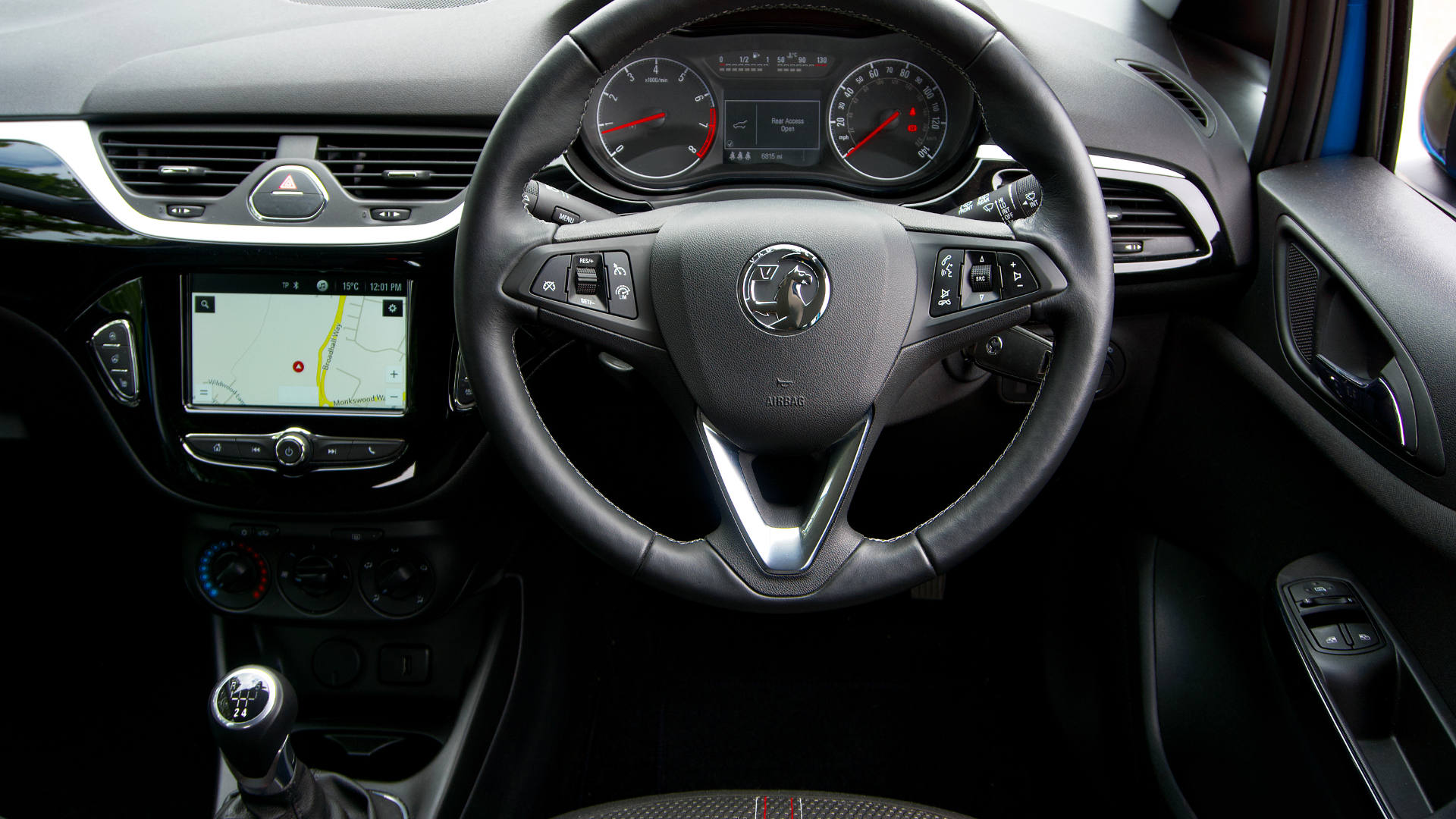
    Step inside the Vivaro, and you’ll find yourself immersed in a world of advanced technology. The van doesn’t just transport goods; it connects businesses to the future. Smart navigation systems ensure efficient routes, while seamless integration with mobile devices and business apps keeps you in control, transforming the Vivaro into a mobile command center for your business.


    Smart Navigation Systems:

    • Efficient route planning for timely and optimized deliveries.
    • Real-time traffic updates to navigate around potential delays.
    • User-friendly interface for intuitive and hassle-free operation.

    Connectivity Options:

    • Seamless integration with mobile devices.
    • Syncing capabilities with essential business apps.
    • Remote access and control for enhanced operational management.

    Mobile Command Center:

    • The Vivaro transforms into a hub of business activity on the move.
    • Centralized control for managing logistics and deliveries.
    • Real-time communication and coordination for a streamlined workflow.

    4. Comfort and Driving Experience

    Long journeys are no longer a daunting prospect in the Vivaro. The interior design prioritizes both driver and passenger comfort, making those extended trips not only bearable but enjoyable. The driving experience goes beyond basic functionality, incorporating top-notch handling, responsive suspension, and a suite of driver assistance features that turn every journey into a smooth operation.


    5. Safety Features

    Safety isn’t just a feature; it’s a commitment in the Vivaro. The van is fortified with a range of safety features that not only protect the driver but also safeguard the precious cargo on board. As businesses navigate the unpredictable roads of success, the Vivaro ensures a secure journey, boosting its overall appeal to safety-conscious enterprises.


    6. Customization and Adaptability

    Businesses are unique, and the Vivaro understands that. With customization options galore, the van adapts to specific business needs and preferences. This flexibility isn’t a luxury; it’s a necessity for industries with diverse requirements. The Vivaro isn’t just a van; it’s a tailored solution for a myriad of industries, from delivery services to construction projects.


    7. Economic Considerations

    In the world of commercial vehicles, the Vivaro stands out not just for its features but for its economic advantages. From a strong resale value to manageable maintenance costs and appealing warranty options, the Vivaro makes a compelling case for businesses aiming to balance efficiency with fiscal responsibility. The total cost of ownership becomes not just a consideration but a testament to the long-term value the Vivaro brings to the table.


    8. Customer Satisfaction and Reviews

    What truly speaks volumes about a vehicle is the feedback from those who use it daily. Customer reviews and satisfaction surveys paint a vivid picture of the Vivaro’s real-world performance. From small businesses to larger enterprises, the van enjoys a positive reputation, underlining its reliability, efficiency, and the tangible impact it has on businesses’ daily operations.


    9. The Vivaro in the Commercial Vehicle Market

    Zooming out, it’s crucial to place the Vivaro in the broader context of the commercial vehicle market. A comparative analysis against its main competitors reveals what sets the Vivaro apart—customer preference. Its unique blend of features, customization options, and economic advantages positions it as a front-runner, not just in terms of functionality but in terms of what businesses actually want.


    Conclusion

    In conclusion, the Vauxhall Vivaro isn’t just a commercial van; it’s a strategic partner for businesses. Its versatility, advanced features, and economic considerations make it a compelling choice. As the curtain falls on this exploration of the Vivaro advantage, one fact remains clear—this van isn’t just driving; it’s driving businesses forward.

  • The Vivaro Advantage: What Sets Vauxhall’s Van Apart in the Market

    The Vivaro Advantage: What Sets Vauxhall’s Van Apart in the Market

    In the bustling arena of commercial vans, the Vauxhall Vivaro emerges as a standout player, weaving together practicality and performance to create a coveted option for businesses of all sizes. As we navigate through the features that make the Vivaro unique, it becomes evident why it enjoys a reputation as a top choice in the competitive market.


    1. Versatile Design and Build

    When it comes to meeting diverse business needs, the Vivaro takes the lead with its adaptable design. Whether you’re in transport or logistics, the van offers an array of body styles, from the classic panel van to the double cab and platform cab. Its variety in size options further ensures it caters to the specific cargo requirements of different industries, providing a flexible solution for businesses on the move.


    2. Engine Performance and Efficiency

    Under the hood, the Vivaro boasts impressive engine options that seamlessly blend fuel efficiency with robust performance. This isn’t just about moving cargo; it’s about doing so in a way that’s both cost-effective and environmentally conscious. The engine technology employed by the Vivaro isn’t merely about power; it’s a strategic choice that aligns with modern business priorities.


    3. Advanced Technology and Connectivity

    Step inside the Vivaro, and you’ll find yourself immersed in a world of advanced technology. The van doesn’t just transport goods; it connects businesses to the future. Smart navigation systems ensure efficient routes, while seamless integration with mobile devices and business apps keeps you in control, transforming the Vivaro into a mobile command center for your business.


    Smart Navigation Systems:

    • Efficient route planning for timely and optimized deliveries.
    • Real-time traffic updates to navigate around potential delays.
    • User-friendly interface for intuitive and hassle-free operation.

    Connectivity Options:

    • Seamless integration with mobile devices.
    • Syncing capabilities with essential business apps.
    • Remote access and control for enhanced operational management.

    Mobile Command Center:

    • The Vivaro transforms into a hub of business activity on the move.
    • Centralized control for managing logistics and deliveries.
    • Real-time communication and coordination for a streamlined workflow.

    4. Comfort and Driving Experience

    Long journeys are no longer a daunting prospect in the Vivaro. The interior design prioritizes both driver and passenger comfort, making those extended trips not only bearable but enjoyable. The driving experience goes beyond basic functionality, incorporating top-notch handling, responsive suspension, and a suite of driver assistance features that turn every journey into a smooth operation.


    5. Safety Features

    Safety isn’t just a feature; it’s a commitment in the Vivaro. The van is fortified with a range of safety features that not only protect the driver but also safeguard the precious cargo on board. As businesses navigate the unpredictable roads of success, the Vivaro ensures a secure journey, boosting its overall appeal to safety-conscious enterprises.


    6. Customization and Adaptability

    Businesses are unique, and the Vivaro understands that. With customization options galore, the van adapts to specific business needs and preferences. This flexibility isn’t a luxury; it’s a necessity for industries with diverse requirements. The Vivaro isn’t just a van; it’s a tailored solution for a myriad of industries, from delivery services to construction projects.


    7. Economic Considerations

    In the world of commercial vehicles, the Vivaro stands out not just for its features but for its economic advantages. From a strong resale value to manageable maintenance costs and appealing warranty options, the Vivaro makes a compelling case for businesses aiming to balance efficiency with fiscal responsibility. The total cost of ownership becomes not just a consideration but a testament to the long-term value the Vivaro brings to the table.


    8. Customer Satisfaction and Reviews

    What truly speaks volumes about a vehicle is the feedback from those who use it daily. Customer reviews and satisfaction surveys paint a vivid picture of the Vivaro’s real-world performance. From small businesses to larger enterprises, the van enjoys a positive reputation, underlining its reliability, efficiency, and the tangible impact it has on businesses’ daily operations.


    9. The Vivaro in the Commercial Vehicle Market

    Zooming out, it’s crucial to place the Vivaro in the broader context of the commercial vehicle market. A comparative analysis against its main competitors reveals what sets the Vivaro apart—customer preference. Its unique blend of features, customization options, and economic advantages positions it as a front-runner, not just in terms of functionality but in terms of what businesses actually want.


    Conclusion

    In conclusion, the Vauxhall Vivaro isn’t just a commercial van; it’s a strategic partner for businesses. Its versatility, advanced features, and economic considerations make it a compelling choice. As the curtain falls on this exploration of the Vivaro advantage, one fact remains clear—this van isn’t just driving; it’s driving businesses forward.

  • Used Car Buying Tips: A Guide for Smart Shoppers

    Used Car Buying Tips: A Guide for Smart Shoppers

    Buying used cars can be daunting whether a first-time car buyer or an experienced shopper. From ensuring we get an excellent deal to avoiding common pitfalls, there’s a lot to consider before signing on the dotted line. To help us make an informed decision, we’ve put together this comprehensive guide on used car buying tips.

    This blog post will review all the essential information about used vehicles we need to know before purchasing one. Read on for our top tips and advice on buying used cars!

    Do The Research

    If we’re planning to buy a used car, it’s essential to research before making a purchase. Here are some tips to help us get started:

    • Determine what type of vehicle we need and want. Consider factors such as size, fuel efficiency, and features when deciding.
    • Research different makes and models of the vehicle we’re interested in. Read online reviews and compare pricing information.
    • Narrow our options by visiting dealerships or private sellers to test-drive vehicles.
    • Get a vehicle history report for any car we consider buying. This report will tell us whether the vehicle has been in any accidents or has other issues that could affect its safety or reliability.
    • Have a mechanic inspect the car before we make a final decision. This step is crucial if we’re buying from a private seller rather than a dealership.

    By following these tips, we can be sure we’re getting the best possible deal on a used car that meets our needs and wants.

    Get a Vehicle History Report

    A vehicle history report (VHR) is essential when shopping for a used car. We may find out from a VHR if the vehicle has been in any accidents, how many people have owned it, and if there are any outstanding recalls.

    It is essential to review the VHR carefully before deciding on a car. If something on the report concerns us, we should have a mechanic check before buying the vehicle. We can also use the VHR to negotiate a lower price on the car.

    Take the Car for a Test Drive

    If we’re planning on buying a used car, we must take it for a test drive first. So if you’ve been to a reputable dealership like Wareing Motors – who offer used cars belle fourche sd, or another similar dealership and you’ve seen a car you like, ask if you can take it for a spin. This will help you get a feel for the vehicle and how it handles.

    When taking the car for a test drive, pay attention to how it feels. Does it feel comfortable? Are the controls easy to use? How does the car handle the road?

    Also, be sure to listen for any unusual noises. If we hear something that doesn’t sound right, it could be a sign that something is wrong with the car.

    Finally, trust our gut. If something doesn’t feel right about the car, or we have doubts, don’t buy it. There are many different used vehicles to choose from, so there’s no reason to settle for one that doesn’t satisfy our needs.

    Inspect the Car Thoroughly

    When inspecting a used car, we want to look for cosmetic and functional damage. Start by looking at the car’s exterior for any dents, scratches, or other damage. Then, move on to the interior and look for any tears in the upholstery or cracks in the dashboard. Finally, pop opens the hood and checks for leaks or other engine problems.

    We can always take the vehicle to a mechanic for a professional evaluation if we don’t feel confident doing it ourselves. They’ll be able to spot any problems that we might miss. Additionally, purchasing from a reputable dealer, such as Westside Auto Wholesale, can provide peace of mind, as they often inspect and verify the condition of their vehicles before sale.

    Negotiate the Price

    When we find a used car that we like, it’s time to start negotiating the price. The first step is to find the Kelley Blue Book value of the vehicle. This will give us a good idea of what the car is worth and what we should pay. From there, we can start negotiating with the seller.

    If the seller asks for more than the Kelley Blue Book value, try to negotiate a lower price. We can do this by pointing out any flaws the car has or offering a lower amount than what they are asking for. It’s essential to be firm when negotiating and not let the seller take advantage of us.

    Suppose we’re not comfortable negotiating on our own. We can always bring along a friend or family member who is good at it. They can help us get the best deal possible on our used car purchases.

    A Used Car Ain’t Not Bad At All

    Used cars can offer great value for money. Still, it is essential to do our research and take the time to inspect any potential purchases before committing. By following our used car buying tips, we can find a reliable vehicle at an affordable price. Our next vehicle purchase will go well if we do our research and have realistic expectations.

  • Five Essential Car Maintenance Tips For Every Driver

    Five Essential Car Maintenance Tips For Every Driver

    Are you having problems with your car? Do you detest driving because there are always issues with the engine and obnoxious warning lights?

    It is the duty of every driver to take care of their vehicle. The majority of auto problems are caused by neglected routine maintenance. You can make time and financial investments to prevent issues from this.

    This article offers five vital car maintenance advice that every motorist should be aware of. Learn these tricks to lengthen the life and performance of your vehicle. Enjoy a trouble-free and seamless driving experience.

    1. Change the Oil Regularly

    One of the most important pieces of auto maintenance advice for any driver is changing the oil. It lowers the possibility of wear and tear by keeping your engine oiled and operating. The frequency of this maintenance procedure should be every 5,000 miles or every six months, whichever comes first.

    Having a well-organized and sturdy garage, like an imperial metal garage, can make this process much more convenient. It provides a secure and weather-resistant space to store all the tools you’ll need, such as the oil, oil filter, funnel, and oil drain pan, and gives you a clean, flat surface to work on.

    To change the oil, start by releasing and removing the oil drain cap before changing the oil. After that, swap out the old oil filter for a fresh one. The oil should now be poured into the engine and allowed to pass through the oil filter.

    Start your engine and let it run for a few minutes after reinstalling the drain plug.

    2. Inspect Brakes and Tires

    Drivers should inspect their brakes and tires to maintain the safety and function of their vehicles. Brakes and tires must be checked for wear and tear every 6,000 miles and when there is a noticeable change in performance. Checking for tread depth is also important, as brakes with inadequate tread can lead to skidding, which can be dangerous. It cannot be understated that Brake Tester Safety Importance is paramount, especially if you own a business which revolves around operating a fleet of vehicles. Whether this is the case or not, using brake testers every 6000 miles or so, through a reputable mechanic or your own means is key to ensure safety on the road.

    Checking the tire’s air pressure can also improve performance and reduce the risk of tire blowouts. Driving with incorrect inflation can also cause the brakes to work harder and can decrease their lifespan. Drivers should also look for signs of damage to the brakes, such as cracks and rust, and if present, should take their car to a mechanic for inspection.

    In another instance, if you own a Porsche and you hear noises such as squealing, grinding, or scraping when braking, then the brake pads may need to be replaced. If the sound persists even after the repair, you may need to consult a reputable Porsche Specialist who can look out for hidden issues and fix them.

    3. Check the Drive Belts

    Checking the drive belts should be one of the most essential car maintenance tips for every driver. The drive belt handles a variety of vital parts in your vehicle. It includes the power steering, water pump, alternator, and air conditioner compressor.

    Inspecting your drive belt should be done. Check the belt to make sure it’s still intact and free from signs of wear and tear. Feel it for any fraying, softening, or cracking.

    Also, make sure it has the proper tension and is not too loose or too tight. If you notice any issues, especially cracking, it’s best to replace the belt rather than risk further damage by driving with a faulty belt. Oftentimes routine maintenance, such as inspecting drive belts, can help prevent larger car issues.

    4. Replace Fluids

    Every driver needs to replace the fluids in their car to make sure it is running at its best. This includes oil, antifreeze, brake fluid, and windshield washer fluid. Oil must replace every 3,000-5,000 miles, and antifreeze is essential to change every 40,000 miles.

    The brake fluid must change every 60,000 miles, and the windshield washer fluid also needs to replace. Replacing these fluids can help your car run. It helps to prevent future problems and can even extend the life of your vehicle.

    Be sure to always use the correct type of products when replacing fluids, as different cars need different oil types and viscosities.

    5. Clean and Wax Your Car

    Clean and waxing your car is one of the five essential car maintenance tips for every driver. Cleaning and waxing help to protect your car from the elements and keep it looking good. Regular cleaning and waxing help to reduce the impact of salt, dirt, and other environmental factors that can cause paint damage.

    Waxing also helps to protect the paint from UV damage and helps to maintain the car’s shine. The wax helps to fill scratches and blemishes, which can add to the look of the car. Waxing also helps to increase the resale value of the car, making it important to stay on top of this maintenance tip.

    It’s best to wax your car at least two times a year, with high-quality wax. After waxing, be sure to keep your car clean to maximize the longevity of the wax. You could also look into alloy wheel refurbishment for cars during this process, semi-regularly. This keeps your wheels in good shape.

    Know the Five Essential Car Maintenance Tips for Every Driver

    Regular car maintenance is essential for the best performance and to extend the life of your car. You can ride in confidence and safety if you take the time to make sure your automobile is up to date with all its required maintenance. If you want to keep your car in great condition, always change the oil regularly and inspect the brakes and tires.

    Also, replacing fluids, cleaning, and waxing your car are the most crucial pieces of advice that you should keep in mind. Schedule an appointment today to ensure vehicle safety and security.

    If you found this article useful, please check out some of the others on our website. We write about a variety of topics, from car maintenance to financial advice. Let’s work together to keep you and your family safe on the road!

  • The Ultimate Guide to Obtaining Cash by Recycling Your Car

    The Ultimate Guide to Obtaining Cash by Recycling Your Car

    Your long-neglected vehicle, seemingly a forgotten relic in your driveway, may appear as nothing more than discarded clutter. However, there exists a valuable recycling opportunity. Beyond simply being an eco-conscious means of parting with your aging car, recycling it can also yield financial rewards. This comprehensive guide is your roadmap to efficiently recycling your old vehicle and optimizing your financial gains.


    The Green Revolution: Recycling Your Car

    The green revolution is centered around recycling. The process of recycling your old car with an ethical and reputable cash for cars company ensures that valuable materials are reused and your vehicle’s environmental impact is minimized. Let’s take a look at how you can recycle your car.


    Step 1: Assess the Condition

    Examine your car carefully before making any decisions. You will be able to determine the best course of action based on the condition of your car.

    If your car is driveable, you might consider selling it privately or trading it in at a dealership for a better deal. However, if it is obvious that your car is no longer roadworthy, recycling is a good option.


    Step 2: Gather Necessary Documents

    To recycle your car, you’ll need to gather some essential documents. These may include:

    1. Title: You will be required to prove ownership of the vehicle. The documents you hold will be evidence of that.
    2. Release of Liability: This document releases you from any future liability related to the car after it’s been recycled. This protects you should any criminality take place with your vehicle afterward, which will not be the case when you find a reputable company to take care of it.
    3. Bill of Sale: Some recycling facilities may require this to document the transaction.

    Make sure you have these documents ready before moving forward. You do not want to create any unnecessary delays once you have made your mind up.


    Step 3: Find a Reputable Recycling Facility

    Choosing the right recycling facility is crucial. Look for one that is licensed and environmentally responsible. Check online reviews and ask for recommendations from friends or family. The goal is to find a facility that offers competitive prices for scrap metal and parts. When looking for such a facility, consider those that offer comprehensive services beyond just vehicle dismantling. They generally prioritize offering competitive pricing and ensuring same-day payments for your materials. Reputable providers of Scrap Metal Perth, for example, often handle a wide array of materials from commercial, industrial, and residential sources, including various metals like copper, aluminum, and stainless steel. This holistic approach not only helps maximize the value recovered from discarded items but also ensures environmentally compliant processing, contributing to a greener future.


    Step 4: Get Multiple Quotes

    Don’t settle for the first offer you receive. Contact multiple recycling facilities and get quotes for your car. You may want to contact some vehicle recycling firm, for Cash for Junk Cars Florida. They might purchase or give a quote on your used, damaged, or unwanted vehicle. Some of these firms do take up the responsibility of ensuring every car they buy is properly recycled, so you could consider selling it to them . Different facilities may offer different prices, so it’s essential to compare and choose the best offer.


    Step 5: Prepare Your Car

    There are a few things you should do before you take your car to the recycling facility:

    1. Remove Personal Items: Be sure to clean out your car and remove any personal belongings.
    2. Remove License Plates: In some regions, you may need to return the license plates to the DMV.
    3. Clear Out Fluids: Drain all fluids, including oil, coolant, and gasoline, to prevent any environmental hazards.


    Step 6: Arrange for Transportation

    Not all recycling facilities will collect your car, so you may need to arrange for transportation to the facility. You can either tow it yourself or hire a towing service such as this Towing Sydney, or similar other service, if you’re looking for a convenient option. Some recycling centers might offer towing services, so be sure to inquire about this when you get your quotes. This way you can ensure that your car reaches the recycling center safely, making the process smoother for you. Moreover, using professional towing service can save you time and effort, so you can focus on the other areas of the recycling process.


    Step 7: Complete the Transaction

    In order to receive your payment, you must have all the necessary documents available, sign any required paperwork, and hand over your car at the recycling facility.


    Step 8: Enjoy Your Cash

    Congratulations! You’ve successfully recycled your car and received cash in return. Perhaps you’ll put the cash down as a payment on a new car or use it to take a well-deserved vacation. Spend or invest the money wisely.


    The Environmental Impact

    Recycling your car is good for the environment as well. Many materials can be reused. This will reduce the need for new production and conserve valuable resources. In addition, recycling also prevents hazardous materials from entering the ground, protecting public health and the environment.


    The Future of Car Recycling

    Innovations in recycling processes are helping to recover more materials from old cars, reducing waste and energy consumption. In the future, we can expect even better returns on recycling old vehicles.


    Conclusion

    You can benefit financially when you recycle your old car for cash. At the same time, you are contributing to a greener planet.

    Don’t just leave your old car on your driveway annoying your neighbors. Instead, turn it into cash and play your part in keeping climate change under control. Recycling your car is not just a responsible choice; it’s also a rewarding one.

  • 10 Car Maintenance Tips To Keep Your Vehicle In Tip-Top Shape

    10 Car Maintenance Tips To Keep Your Vehicle In Tip-Top Shape

    Are you looking to give your car a proper service?

    While it can seem overwhelming at first, if you know what to do, it’s much easier than you might think. From changing the oil to checking your tires, you want to know everything involved with car maintenance to keep your car healthy. It can help you identify points of trouble early and save you money in the long run.

    But where do you start?

    We’ve got you covered. Below, we guide you through car care tips for beginners, so you can have a proper maintenance plan for your car.

    1. Regular Oil Change

    Changing the oil in your vehicle is one of the most important maintenance tips to keep your car in great shape. It should work regularly, and the interval depends on the type of oil used, the type and age of your car, and the type of conditions in which you drive your vehicle.

    Changing the oil every 3,000 miles or every 3 months is a good rule of thumb.

    2. Tire Rotation

    Tire rotation is one of the most important aspects of car maintenance. It helps to redistribute the wear and tear on the tires, resulting in longer tire life.

    Tires should be rotated regularly, typically when you get an oil change or tune-up.

    Another often overlooked aspect that significantly impacts tire upkeep is the condition of your garage flooring. A smooth, clean garage floor not only enhances the aesthetics of your space but also plays a crucial role in preserving your tires. Uneven or damaged flooring can lead to premature tire wear and tear, affecting their lifespan and performance. This is why it’s essential to call in garage floor experts in Fort Myers, FL (if that’s where you live) to check your flooring from time to time and carry out repairs if necessary.

    3. Check the Fluids

    When it occurs to maintain your car, one of the most important tips is to check the fluids. All vehicles typically require a certain amount of oil, coolant, brake fluid, and even transmission fluid.

    Checking these fluids regularly ensures that your car remains in tip-top shape.

    4. Clean and Wax

    Clean and waxing your car regularly is an important maintenance tip for keeping your car in tip-top shape. By waxing your car, you are protecting all the plastic and metal finishes from oxidation and wear, which can cause extensive and expensive damage.

    To keep your car clean, start by washing it regularly with car soap and warm water.

    5. Check Belts, Hoses, and Filters

    Checking belts, hoses, and filters is a great place to start when it occurs to car maintenance. Belts, hoses, and filters should be regularly checked for cracking, tearing, or other signs of wear.

    If any of these components appear to be leaking or not functioning properly, they should be replaced immediately.

    6. Tune-Ups for Optimal Performance

    Tune-ups are essential to ensure the optimum performance of your car. A well-tuned car can save you considerable money in terms of fuel, avoids breakdowns, and ensures safety.

    As far as tune-up tips for car maintenance are concerned, the general idea is to set the engine in such a way that it works efficiently and consistently.

    7. Proper Engine Lubrication

    Proper engine lubrication is essential for any car maintenance routine. Without adequate lubrication, the engine parts will be exposed to corrosion and excessive wear and this can even cause the engine to seize up.

    Proper lubrication not only preserves the engine and its components but also helps it to work more efficiently.

    8. Pay Attention To Tire Pressure

    Tire pressure is one of the most important aspects of car maintenance. It is essential to ensure your tires are properly inflated to keep your vehicle running at peak performance and help increase fuel efficiency.

    To keep your tire pressure in check, it is necessary to check it periodically using a tire pressure gauge.

    9. Protect Your Vehicle Exterior

    Keeping your vehicle’s exterior in good shape is crucial to prevent costly repairs down the road. One simple way to maintain it is by regularly washing your car to remove dirt and grime that can damage the paint.

    If you notice any paint coming off from a small area, don’t wait too long to address it. Visit an Auto Body Shop Los Angeles (or wherever you are) as soon as possible. Delaying the repair could lead to further paint chipping and more extensive damage.

    10. Clean the Trunk of Your Car

    Keeping your car’s trunk clean is really important for maintaining your vehicle, but it’s something many people forget about. A messy or dirty trunk doesn’t just look bad; it can cause problems later on.

    By regularly cleaning up your trunk, you can keep things organized and hygienic. For example, if you frequently transport groceries or other items in your trunk, spills or leaks can occur, leaving behind unpleasant odors and stains. By giving your trunk a good clean every now and then, you can keep it smelling fresh and looking tidy. And, to prevent any more spills, you might want to think about adding some organizer slides or compartments from companies like TMAT. They can keep everything in place, so you don’t have to worry about stuff shifting around while you are driving.

    Consider a Regular Maintenance

    Regular maintenance is key to extending the life of your vehicle. To keep your car in top condition, it’s important to routinely check and replace fluids such as engine oil, coolant, and transmission fluid. Additionally, make sure to inspect the brakes, tires, and other critical systems to ensure they are functioning properly. Now, you can do this on your own. Alternatively, a reliable Local shop can assist with these inspections and services, providing expert care and advice tailored to your vehicle’s specific needs.

    Visiting a mechanic for scheduled maintenance not only helps identify and address potential issues before they become major problems but also ensures that your vehicle is running efficiently and safely. Regular tune-ups, filter changes, and system diagnostics are essential practices that can save you money in the long run by preventing costly repairs. Moreover, keeping a detailed maintenance log can be beneficial for tracking the work done and for future reference, especially when selling your car.

    In conclusion, maintaining your vehicle through regular check-ups and servicing at a mechanic’s or on your own is crucial for its longevity and performance. Adhering to these car maintenance tips will help you enjoy a reliable and smooth driving experience for years to come. Remember, a well-maintained car not only provides safety and reliability but also retains its value over time.

    If you’re hungry for more tips on how to keep your life on the right track, keep scrolling through our blog.

  • 10 Essential Car Maintenance Tips Every Driver Should Know

    10 Essential Car Maintenance Tips Every Driver Should Know

    Did you know that over 6 million car accidents happen every year?

    Taking care of your car is one way to lower your chances of getting into an accident. Knowing which car maintenance tips to follow goes a long way.

    After learning more about proper car maintenance, you’ll be set to enjoy a safe, smooth ride for a very long time.

    To learn more about what you should do, keep reading.

    1. Get a Regular Oil Change

    One of the most important tips is to get a regular oil change. Over time, the engine oil in the car breaks down and becomes dirty. This can cause wear and tear on the internal parts of the engine and can lead to costly repairs.

    Replacing the oil regularly will help to keep the auto engine lubricated and running smoothly.

    2. Inspect Brakes and Tires Regularly

    Inspecting brakes and tires regularly is essential to maintaining a reliable car. Brake pads must be checked to ensure they are at a safe depth, as worn pads can lead to decreased braking power and can be a hazard on the road. If the brakes are not in their best condition, you may hear unusual screeching and grinding noises that might indicate a problem with the brakes. If owning a car is a first experience for you and you’re unsure how to go about the process, you may want to consult automotive experts to get any necessary brake repairs in Cary, NC or in a different region.

    Tires should be inspected for cracks, bald spots, and low air pressure.

    3. Check Belts and Hoses

    Belts and hoses are essential for a vehicle’s engine and proper functioning. Drivers should make it a habit to check these components regularly to avoid any breakdowns or potential damage.

    Belts should be inspected for signs of wear or fraying and replaced if necessary, whereas hoses should be checked for cracks or leaks in the rubber.

    4. Keep Up with Scheduled Maintenance

    It’s essential to be aware of car maintenance and keep up with scheduled maintenance. Regular oil changes, inspections, and tune-ups are necessary to keep cars running smoothly.

    Extending beyond the fundamental maintenance tasks, it is imperative to inspect various components, including air and oil filters, brakes, hoses, belts, tires, windshield wipers, and both interior and exterior elements. Windows, in particular, warrant careful examination to ensure their proper functioning, especially if they have been treated with window tinting. A window tint inspection can be seamlessly integrated into regular car maintenance check-ups, allowing for timely reapplication or replacement of the tint every few years to maintain its effectiveness and aesthetic appeal.

    For those who have yet to explore window tinting for their vehicles, considering a service provider like this Auto Tint Services Denver (or a reputable option in their local area) can be a worthwhile investment. Once the tinting process is complete, it is advisable to incorporate tint inspections into regular maintenance routines, ensuring optimal performance and longevity of the tint. This is important as timely maintenance of the tint will ensure that the interior is protected from UV damage, preventing fading and cracking of upholstery and dashboard. Simultaneously, it is equally crucial to keep meticulous records of other maintenance services performed, enabling a comprehensive understanding of your vehicle’s overall health and maintenance needs.

    5. Monitor Dashboard Warning Light

    Monitoring the dashboard warning lights in your car is a key part of essential car maintenance. Many lights will indicate when repairs or maintenance is needed, such as the oil light, battery light, check engine light, and coolant temperature warning light.

    Ignoring these lights can lead to costly mechanical issues, so it is important to be aware of the warning lights and take appropriate action when they illuminate.

    6. Check Fluids and Tire Pressure

    When it occurs to essential car maintenance, checking your fluids and tire pressure is a must for any driver. To start, make sure your oil is at the proper level and not overly burnt.

    You should also look at your brake, transmission, and coolant fluids to ensure they are all at the recommended levels.

    7. Identifying Issues

    Being able to identify problems with your car is a key part of maintaining it. If you don’t recognize any issues, then you may find yourself in a dangerous situation down the line. For instance, one common area that requires attention is the air conditioning system. Car Air Conditioning Repairs are essential if you notice reduced cooling or strange odors, as neglecting these signs can lead to costly fixes later.

    Similarly, issues like unusual noises from the brakes or irregular tire wear can indicate deeper problems. Also, keep an eye out for any fluids leaking while inspecting your car.

    8. Keep Logs of Past Services

    Every car driver should keep a log of past maintenance services. This includes oil changes, air filter replacements, tire rotations, and brake adjustments.

    This will help you stay on schedule for regular check-ups and repairs to keep your car in top condition.

    9. Stick to the Regularly Schedule

    Every driver needs to adhere to their car’s regularly scheduled maintenance plan. This should include changing the oil, checking and topping off the coolant, replacing spark plugs and filters, and checking tire pressure.

    Depending on the age and type of car, there may be other items to inspect as well.

    10. Incorporating Proper Habits

    Incorporating proper driving habits is essential when it occurs to car maintenance. Drivers should regularly inspect their vehicles, checking the tire pressure, oil, brake fluid, and other fluids.

    Be sure to check the electrical system, and make sure all lights, turn signals, and brakes are in working order.

    In addition to checking the internal mechanisms of your car, it’s equally important to focus on its external maintenance.

    One of the primary aspects to prioritize in external maintenance is taking care of the car’s paint. The paint not only adds aesthetic value but also acts as a protective layer against potential damage, debris, and dirt. To ensure your car’s paint stays in good condition, you can consider investing in XPEL high-quality paint protection film. This film can provide exceptional durability and shields your car from scratches, minor dents, road debris, UV rays, and other environmental elements. Connecting with firms that offer Orlando XPEL Ultimate Plus Installation services (if that is where you are located) can be helpful in such situations.

    Furthermore, it is important to regularly wash your car and have it professionally detailed at least once a year. This ensures that the exterior is thoroughly cleaned, removing stubborn stains and mild scratches that regular washing may not effectively address.

    Maintaining Your Car Is Essential

    Maintaining your car is essential for ensuring a safe and smooth ride. Following these car maintenance tips will help to ensure your car runs properly and lasts long into the future. Schedule regular maintenance with a certified technician to get the most out of your vehicle.

    Found this article helpful? Keep checking our site for more automotive content.

  • The Pros & Cons of Buying a Used Car: What You Need To Know Before Making a Decision

    The Pros & Cons of Buying a Used Car: What You Need To Know Before Making a Decision

    Car shopping is stressful, frustrating, and annoying, right?

    Well, at least it is if you’re doing it the wrong way. Car shoppers often make mistakes that lead to regret later on. For example, some buyers end up with a car that costs more than they can afford or is not the right fit for their needs.

    Fortunately, taking the used car route can help eliminate some potential problems.

    While you may worry that purchasing a used car could lead to a lack of personal connection, there are ways to customize it to feel like it was tailor-made for you. You can achieve this by changing its look, perhaps by wrapping, tinting and protecting your vehicle with vinyl, thereby making it look good and also reducing the likelihood of chips and erosion.

    Still not convinced? Here are the pros and cons of used vehicles.

    Reap the Benefits

    Buying a used car can be a great way to reap the benefits of saving some money and getting a reliable form of transportation. However, it is important to know the pros and cons that come with this decision before making your purchase. One of the biggest pros is that you can save a significant amount of money since used cars are often less expensive than their newer counterparts.

    Another benefit is that it allows you to get a dependable car that may have fewer long-term problems, especially if you take good care of its maintenance and store it safely in your garage. If need be, you should look for a company that offers garage door repair Red Deer or elsewhere to ensure that your vehicle is stored securely and protected from the elements. Taking such a proactive approach can also prolong the lifespan of your car and help maintain its resale value in the future. That being said, the cons of purchasing a used car are that it may not have all the latest features available in a new car, and it may have some reliability issues.

    Potential Pitfalls

    When considering the potential pitfalls of buying a used car. It is important to be aware of any issues that may arise. One of the most common issues is the possibility of buying a car that has undisclosed mechanical problems.

    Therefore, it is important to thoroughly inspect the vehicle before purchasing. In addition, it is important to ensure that any warranties that came with the car are still valid. When purchasing a used car, it is important to make sure the car’s title is free of liens or judgments, as this could lead to problems in the future.

    Research Is Key

    Research is key when it occurs to buying a used car. Once you have done the necessary groundwork, you may find some great Used Cars Norwich at Holden Group or at similar dealerships. Similarly, you could find some neat and well-maintained models listed on the web. The key is knowing the pros and cons when making your purchase, which can help you make a wise decision.

    Used cars usually cost less than the same model year of a new car. This can make owning a reliable car more attainable for many people. The primary con of buying a used car is that it can be confusing when assessing its condition without a detailed inspection.

    Many used cars have unknown service histories and could be riddled with hidden mechanical problems. Used cars also watch to depreciate faster than new cars due to wear and tear. Before making a purchase, it is important to do plenty of research and get the car inspected.

    Safety and Maintenance Considerations

    Safety and maintenance are significant considerations for anyone buying a used car. Used cars can be a great deal since their previous owners have experienced the majority depreciation in the early part of their ownership. Used cars also have lower registration fees.

    However, it is important to inspect the vehicle and consider the following pros and cons of buying a used car. Maintenance costs can vary widely, as wear and tear affect different vehicles in different ways. Issues such as recalls and where part replacements should be taken into account.

    Maintenance also involves having a viable space to store the car in. Used cars require extra care, so your garage needs to be in the best condition. If the door or any window has any issues like exposure, it’s best to get them replaced with the help of B&D Garage Doors and others so that you don’t end up causing damage to the used car while it’s sitting in the garage.

    Safety is a key consideration. The vehicle must pass the roadworthiness test and have a valid safety certificate. Potential buyers should consider the car’s history, such as whether it has been in an accident and was properly repaired.

    Finally, before making a purchase, buyers should have a clear idea of what to look for in a used car. With the proper research, test drives, and inspections, used car buyers can feel confident that their second-hand purchase is a reliable option.

    Knowing the Pros and Cons of Buying Used Cars

    The purchase of a used car can be a great alternative if you are not able to afford a new car, but it is important to do your research. Consider the pros and cons such as cost savings, potential hidden issues, and the increased risk of poor resale value. Check out websites like Auto-trader or CarMax to make your decision stress-free.

    Buying a used car can both save you money and grow your love of cars if done right. Look at more of our Auto content for more tips.

  • Motorcycle Safety: Tips for Staying Safe on the Road

    Motorcycle Safety: Tips for Staying Safe on the Road

    Riding a motorcycle can be an exciting and freeing experience – but it also comes with its own set of risks. Staying safe on the road requires more than just following the law; it requires that riders take proactive steps to protect themselves and their passengers. In this blog post, we’ll discuss some of the best practices for motorcycle safety and tips to help ensure we have a safe journey. So read on for helpful guidance, whether we’re a seasoned rider or just getting started.

    Protective Gear and Equipment for Motorcycle Riders

    Motorcycle riders face a higher risk of injury compared to those in other vehicles because they lack the same level of protection. Injuries from motorcycle accidents can be very severe and even fatal in some cases. Dealing with these situations can be tough, and it often requires support from family members. Sometimes, you may need help from top law firms like The Law Office’s of Ross Ziev to file a case against the responsible party. It can all feel overwhelming, which is why it’s crucial for motorcycle riders to wear the right protective gear and equipment to lower the chances of accidents.

    Some motorcycle riders’ most crucial protective gear includes a helmet, gloves, boots, and a reflective vest. Wearing all of this gear can help to protect us in the event of an accident.

    • Helmets are an essential piece of protective gear for motorcycle riders. A good helmet can help to protect our heads from severe injuries in the event of an accident. Choosing a helmet that fits well and is comfortable to wear is essential.
    • Gloves are another essential piece of protective gear for motorcycle riders. They serve as a layer of defense against potential harm to our hands. Motorcyclists can benefit from gloves because of the added grip and dexterity they provide.
    • Boots are another essential piece of protective gear for motorcycle riders. They help to protect our feet and ankles from injuries in the event of an accident. Boots also provide traction, which can be helpful when operating a motorcycle.
    • A reflective vest is another essential piece of protective gear for motorcycle riders. It helps to make us more visible to other motorists, which can help to prevent accidents.

    Essential Riding Skills and Techniques

    Motorcycling is an exciting way to travel, but it has its fair share of risks. To help us stay safe on the road, we’ve compiled a list of essential riding skills and techniques.

    Always Wear Protective Gear

    This should go without saying, but we’ll say it anyway: always wear protective gear when riding a motorcycle. It includes a helmet, gloves, boots, and preferably a full-body suit. This gear will help protect you in an accident or fall. Additionally, make sure that your gear is of high quality and meets safety standards. While protective gear can reduce the risk of injuries, accidents can still happen. In such unfortunate events, it’s crucial to know your rights and seek appropriate legal assistance, such as choosing the best Personal Injury Lawyer. That said, wearing protective gear not only enhances your safety but also provides peace of mind while riding. High-quality protection gears are designed to absorb impact and minimize the severity of injuries in the event of a fall. If an accident does occur, firms specializing in personal injury and accident cases, such as Floyd Hunter, or similar others, can offer valuable support and guidance. Whether you are a seasoned rider or a beginner, being prepared both physically and legally can be important for your safety and well-being on the road.

    Be Visible

    Make sure we are visible to other motorists at all times. Wear bright clothing during the day and reflective gear at night. We should also invest in aftermarket lighting for our bikes to make ourselves even more visible.

    Be Aware of the Surroundings

    Remaining vigilant of our surroundings while riding a motorcycle is paramount. It’s crucial to stay mindful of the vehicles nearby and watch out for potential road hazards like potholes and debris. It’s worth noting that a significant number of accidents involve four-wheelers failing to notice motorcyclists on the road. In such situations, seeking roadside assistance and prompt medical care is essential. Additionally, contacting a legal professional such as those at the Law office of Carl Maltese or a similar firm can be beneficial. In essence, the fundamental principle of safe motorcycle riding is to always remain aware of our surroundings.

    Don’t Ride Beyond One’s Skill Level

    Riding a motorcycle can be challenging, so only attempt it within our skill level. If we’re beginners, start with smaller bikes and work our way up as we gain experience. And always ride within our limits.

    Avoiding Common Risks and Hazards on the Road

    When it comes to motorcycle safety, there are a few common risks and hazards that riders need to be aware of. By understanding these dangers and taking steps to avoid them, riders can help keep themselves safe on the road.

    One of the most common dangers motorcycle riders face is the risk of being hit by a car. Most of the time, drivers don’t see motorcyclists or grossly underestimate their speed. Riders can help prevent this by being visible at all times, day or night. This includes wearing bright clothes and employing headlights. They should also be aware of their surroundings and watch for cars that may be about to turn or pull out into their path. Despite these precautions, accidents can still happen, leading to auto accidents that may result in serious injuries. In such unfortunate events, consulting with car accident lawyers becomes essential. These legal experts specialize in helping victims of such accidents. They can navigate the legal process to get the compensation you deserve. This compensation is critical for covering medical bills, lost wages, and other expenses incurred due to the accident.

    Another hazard motorcycle riders face the risk of losing control on slippery roads. This can be especially dangerous if the rider is too fast. Riders can lessen the likelihood of this by reducing their speed and being extra cautious when navigating turns on wet or icy roads.

    Finally, motorcycle riders must be aware of the risk of being thrown from their bike in a crash. This can happen even if the rider wears a helmet and other protective gear. Riders can lessen their chances of injury by permanently fastening their seatbelts or harnesses and ensuring their bikes have crash-proof features like sturdy handlebars.

    Feel the Air and Enjoy the Motorcycle Ride

    Motorcycle safety is essential for anyone who rides a motorcycle. By following the tips outlined in this article, we can ensure that we stay safe on the road and enjoy our ride to its fullest. Always wear protective gear, follow traffic laws, practice defensive driving techniques, and check our bikes before each ride for maximum safety. With these precautions in place and some common sense, we’ll be able to stay safe while still having an enjoyable time out on the open road!