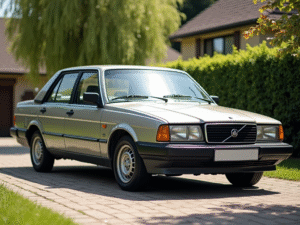

Have you heard someone say diesel is dead? It’s not! Used diesel cars still hold a strong place in the market, despite everything you’ve probably heard over the past few years. From tighter emissions regulations to growing pressure around eco-conscious driving, the spotlight has shifted hard onto electric and hybrid options. But does that mean buying a used diesel is a bad idea? Not even close. The situation’s a bit more nuanced than that.

What’s Changed for Diesel?
It’s no secret that diesel has had a rough ride recently. Public perception took a hit, especially after major emissions scandals and stricter environmental rules across Europe. And yes, certain cities now have low-emission zones, which can limit or charge access for older diesel vehicles.
But here’s the thing: not all diesels are treated the same.
Euro 6 diesel engines (those registered from September 2015 onwards) meet strict emissions standards and, in many cases, are still allowed to drive through these restricted zones without penalty. So the real story isn’t about diesel being “bad” — it’s about whether the car in question meets current regulations. And many used diesel cars absolutely do.
So, Why Are People Still Buying Diesel?
Because they make sense. For the right kind of driver, a used diesel car still delivers major benefits.
If you’re clocking up lots of motorway miles, diesel wins on fuel economy. Petrol can’t really compete when it comes to long-distance efficiency. And electric? Well, the UK charging infrastructure still has gaps, especially outside major cities. Plus, not everyone has access to home charging.
Used diesel cars also tend to be cheaper to buy than their petrol or hybrid counterparts. Depreciation has hit diesel models harder, which ironically makes them a great buy if you know what you’re looking for.
And you get more car for your money. Better performance, higher spec, lower price.
What About Resale Value?
It’s fair to wonder if a diesel car will be harder to sell in a few years. After all, with the 2035 ban on new petrol and diesel cars looming, the market is definitely shifting. But used diesels aren’t disappearing overnight, far from it.
Demand is still there, especially for well-maintained models with low mileage and strong service history. People who need to drive long distances or tow trailers still actively look for diesel. And because the supply of new diesel cars is shrinking, the second-hand market may even see increased demand for quality used models over the next few years.
It’s not a long-term forever car, but it doesn’t need to be. If you’re buying with a 3-to-5-year plan, there’s very little downside.
Understanding the Low Emission Zones
The key concern for many buyers is whether their diesel will be allowed into major cities without racking up daily charges. That all comes down to emissions standards.
Most clean diesels from 2015 onwards meet Euro 6 standards, which means they’re exempt from charges in areas like London’s ULEZ and similar zones across other UK cities. The trick is to check the car’s registration date and emissions rating before you buy.
And if you’re not regularly driving through those zones, the worry becomes a bit of a non-issue.
There’s also the simple fact that many towns and rural areas don’t have any restrictions at all. If you live outside the main cities, a diesel could still be the smartest and most economical choice on the road.
Cost of Ownership Still Adds Up in Diesel’s Favour
Let’s talk numbers. Diesel fuel is often slightly more expensive at the pump, sure. But it typically lasts longer per litre, especially on long runs. That means fewer fill-ups and more miles per tank.
And because diesels are built to handle higher mileage, they’re generally more robust over time. Less wear and tear on the engine means fewer issues down the line, provided it’s been properly maintained.
Some people worry about diesel servicing costs, but modern engines are pretty reliable. The key is buying something with a full service history. Avoid neglected engines and you’ll likely get thousands of smooth miles.
Insurance-wise, there’s not a huge difference between diesel and petrol. And if you’re opting for an older car, road tax can be higher, but that’s often offset by the savings on purchase price and fuel.
When Diesel Makes Sense
Used diesel cars aren’t right for everyone. If your driving is mostly short, stop-start urban trips, a petrol or hybrid may be better. Diesels are happiest on the open road, where the engine gets up to temperature and emissions systems do their job properly.
But if you tick any of these boxes, diesel is still a smart choice:
- High annual mileage – Driving 12,000+ miles a year? Diesel wins on fuel costs.
- Long-distance commutes – Motorway cruising is where diesel shines.
- Towing needs – More torque makes towing easier and safer.
- Budget buying – Diesel depreciation means lower prices on the used market.
- Bigger vehicles – SUVs and estates often feel smoother and stronger with a diesel under the bonnet.
What to Look for in 2025
If you’re buying used, focus on newer diesel models that are Euro 6 compliant. These are more likely to hold their value, avoid clean air zone charges, and stay roadworthy longer into the decade.
Pay close attention to:
- Emissions rating – Euro 6 is key.
- Mileage – Diesels like the miles, but avoid anything that looks overly worn.
- Service history – Regular oil changes and maintenance are crucial.
- DPF condition – The diesel particulate filter can clog with too many short trips. Make sure it’s in good shape.
And don’t forget: buying used is all about condition. Take your time, inspect the car properly, and walk away from anything that feels neglected.
Still a Strong Contender
Used diesel cars aren’t outdated. They’re not obsolete. They’re just no longer front and centre in the showroom spotlight, and that actually works in your favour if you’re buying.
In 2025, they still offer excellent value, strong performance, and long-term reliability. For the right kind of driving and the right kind of buyer, diesel makes perfect sense.
Ignore the noise. If your driving habits match what diesel is built for, it’s still one of the smartest used car decisions you can make.