Category: Driving

  • The Ultimate Guide to Obtaining Cash by Recycling Your Car

    The Ultimate Guide to Obtaining Cash by Recycling Your Car

    Your long-neglected vehicle, seemingly a forgotten relic in your driveway, may appear as nothing more than discarded clutter. However, there exists a valuable recycling opportunity. Beyond simply being an eco-conscious means of parting with your aging car, recycling it can also yield financial rewards. This comprehensive guide is your roadmap to efficiently recycling your old vehicle and optimizing your financial gains.
     

    The Green Revolution: Recycling Your Car

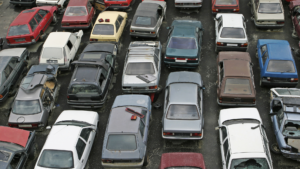
    The green revolution is centered around recycling. The process of recycling your old car with an ethical and reputable cash for cars company ensures that valuable materials are reused and your vehicle’s environmental impact is minimized. Let’s take a look at how you can recycle your car.


    Step 1: Assess the Condition

    Examine your car carefully before making any decisions. You will be able to determine the best course of action based on the condition of your car.

    If your car is driveable, you might consider selling it privately or trading it in at a dealership for a better deal. However, if it is obvious that your car is no longer roadworthy, recycling is a good option.


    Step 2: Gather Necessary Documents

    To recycle your car, you’ll need to gather some essential documents. These may include:

    1. Title: You will be required to prove ownership of the vehicle. The documents you hold will be evidence of that.
    2. Release of Liability: This document releases you from any future liability related to the car after it’s been recycled. This protects you should any criminality take place with your vehicle afterward, which will not be the case when you find a reputable company to take care of it.
    3. Bill of Sale: Some recycling facilities may require this to document the transaction.

    Make sure you have these documents ready before moving forward. You do not want to create any unnecessary delays once you have made your mind up.


    Step 3: Find a Reputable Recycling Facility

    Choosing the right recycling facility is crucial. Look for one that is licensed and environmentally responsible. Check online reviews and ask for recommendations from friends or family. The goal is to find a facility that offers competitive prices for scrap metal and parts. When looking for such a facility, consider those that offer comprehensive services beyond just vehicle dismantling. They generally prioritize offering competitive pricing and ensuring same-day payments for your materials. Reputable providers of Scrap Metal Perth, for example, often handle a wide array of materials from commercial, industrial, and residential sources, including various metals like copper, aluminum, and stainless steel. This holistic approach not only helps maximize the value recovered from discarded items but also ensures environmentally compliant processing, contributing to a greener future.


    Step 4: Get Multiple Quotes

    Don’t settle for the first offer you receive. Contact multiple recycling facilities and get quotes for your car. You may want to contact some vehicle recycling firm, for Cash for Junk Cars Florida. They might purchase or give a quote on your used, damaged, or unwanted vehicle. Some of these firms do take up the responsibility of ensuring every car they buy is properly recycled, so you could consider selling it to them . Different facilities may offer different prices, so it’s essential to compare and choose the best offer.


    Step 5: Prepare Your Car

    There are a few things you should do before you take your car to the recycling facility:

    1. Remove Personal Items: Be sure to clean out your car and remove any personal belongings.
    2. Remove License Plates: In some regions, you may need to return the license plates to the DMV.
    3. Clear Out Fluids: Drain all fluids, including oil, coolant, and gasoline, to prevent any environmental hazards.


    Step 6: Arrange for Transportation

    Not all recycling facilities will collect your car, so you may need to arrange for transportation to the facility. You can either tow it yourself or hire a towing service such as this Towing Sydney, or similar other service, if you’re looking for a convenient option. Some recycling centers might offer towing services, so be sure to inquire about this when you get your quotes. This way you can ensure that your car reaches the recycling center safely, making the process smoother for you. Moreover, using professional towing service can save you time and effort, so you can focus on the other areas of the recycling process.


    Step 7: Complete the Transaction

    In order to receive your payment, you must have all the necessary documents available, sign any required paperwork, and hand over your car at the recycling facility.


    Step 8: Enjoy Your Cash

    Congratulations! You’ve successfully recycled your car and received cash in return. Perhaps you’ll put the cash down as a payment on a new car or use it to take a well-deserved vacation. Spend or invest the money wisely.


    The Environmental Impact

    Recycling your car is good for the environment as well. Many materials can be reused. This will reduce the need for new production and conserve valuable resources. In addition, recycling also prevents hazardous materials from entering the ground, protecting public health and the environment.


    The Future of Car Recycling

    Innovations in recycling processes are helping to recover more materials from old cars, reducing waste and energy consumption. In the future, we can expect even better returns on recycling old vehicles.


    Conclusion

    You can benefit financially when you recycle your old car for cash. At the same time, you are contributing to a greener planet.

    Don’t just leave your old car on your driveway annoying your neighbors. Instead, turn it into cash and play your part in keeping climate change under control. Recycling your car is not just a responsible choice; it’s also a rewarding one.

  • 10 Car Maintenance Tips To Keep Your Vehicle In Tip-Top Shape

    10 Car Maintenance Tips To Keep Your Vehicle In Tip-Top Shape

    Are you looking to give your car a proper service?

    While it can seem overwhelming at first, if you know what to do, it’s much easier than you might think. From changing the oil to checking your tires, you want to know everything involved with car maintenance to keep your car healthy. It can help you identify points of trouble early and save you money in the long run.

    But where do you start?

    We’ve got you covered. Below, we guide you through car care tips for beginners, so you can have a proper maintenance plan for your car.

    1. Regular Oil Change

    Changing the oil in your vehicle is one of the most important maintenance tips to keep your car in great shape. It should work regularly, and the interval depends on the type of oil used, the type and age of your car, and the type of conditions in which you drive your vehicle.

    Changing the oil every 3,000 miles or every 3 months is a good rule of thumb.

    2. Tire Rotation

    Tire rotation is one of the most important aspects of car maintenance. It helps to redistribute the wear and tear on the tires, resulting in longer tire life.

    Tires should be rotated regularly, typically when you get an oil change or tune-up.

    Another often overlooked aspect that significantly impacts tire upkeep is the condition of your garage flooring. A smooth, clean garage floor not only enhances the aesthetics of your space but also plays a crucial role in preserving your tires. Uneven or damaged flooring can lead to premature tire wear and tear, affecting their lifespan and performance. This is why it’s essential to call in garage floor experts in Fort Myers, FL (if that’s where you live) to check your flooring from time to time and carry out repairs if necessary.

    3. Check the Fluids

    When it occurs to maintain your car, one of the most important tips is to check the fluids. All vehicles typically require a certain amount of oil, coolant, brake fluid, and even transmission fluid.

    Checking these fluids regularly ensures that your car remains in tip-top shape.

    4. Clean and Wax

    Clean and waxing your car regularly is an important maintenance tip for keeping your car in tip-top shape. By waxing your car, you are protecting all the plastic and metal finishes from oxidation and wear, which can cause extensive and expensive damage.

    To keep your car clean, start by washing it regularly with car soap and warm water.

    5. Check Belts, Hoses, and Filters

    Checking belts, hoses, and filters is a great place to start when it occurs to car maintenance. Belts, hoses, and filters should be regularly checked for cracking, tearing, or other signs of wear.

    If any of these components appear to be leaking or not functioning properly, they should be replaced immediately.

    6. Tune-Ups for Optimal Performance

    Tune-ups are essential to ensure the optimum performance of your car. A well-tuned car can save you considerable money in terms of fuel, avoids breakdowns, and ensures safety.

    As far as tune-up tips for car maintenance are concerned, the general idea is to set the engine in such a way that it works efficiently and consistently.

    7. Proper Engine Lubrication

    Proper engine lubrication is essential for any car maintenance routine. Without adequate lubrication, the engine parts will be exposed to corrosion and excessive wear and this can even cause the engine to seize up.

    Proper lubrication not only preserves the engine and its components but also helps it to work more efficiently.

    8. Pay Attention To Tire Pressure

    Tire pressure is one of the most important aspects of car maintenance. It is essential to ensure your tires are properly inflated to keep your vehicle running at peak performance and help increase fuel efficiency.

    To keep your tire pressure in check, it is necessary to check it periodically using a tire pressure gauge.

    9. Protect Your Vehicle Exterior

    Keeping your vehicle’s exterior in good shape is crucial to prevent costly repairs down the road. One simple way to maintain it is by regularly washing your car to remove dirt and grime that can damage the paint.

    If you notice any paint coming off from a small area, don’t wait too long to address it. Visit an Auto Body Shop Los Angeles (or wherever you are) as soon as possible. Delaying the repair could lead to further paint chipping and more extensive damage.

    10. Clean the Trunk of Your Car

    Keeping your car’s trunk clean is really important for maintaining your vehicle, but it’s something many people forget about. A messy or dirty trunk doesn’t just look bad; it can cause problems later on.

    By regularly cleaning up your trunk, you can keep things organized and hygienic. For example, if you frequently transport groceries or other items in your trunk, spills or leaks can occur, leaving behind unpleasant odors and stains. By giving your trunk a good clean every now and then, you can keep it smelling fresh and looking tidy. And, to prevent any more spills, you might want to think about adding some organizer slides or compartments from companies like TMAT. They can keep everything in place, so you don’t have to worry about stuff shifting around while you are driving.

    Consider a Regular Maintenance

    Regular maintenance is key to extending the life of your vehicle. To keep your car in top condition, it’s important to routinely check and replace fluids such as engine oil, coolant, and transmission fluid. Additionally, make sure to inspect the brakes, tires, and other critical systems to ensure they are functioning properly. Now, you can do this on your own. Alternatively, a reliable Local shop can assist with these inspections and services, providing expert care and advice tailored to your vehicle’s specific needs.

    Visiting a mechanic for scheduled maintenance not only helps identify and address potential issues before they become major problems but also ensures that your vehicle is running efficiently and safely. Regular tune-ups, filter changes, and system diagnostics are essential practices that can save you money in the long run by preventing costly repairs. Moreover, keeping a detailed maintenance log can be beneficial for tracking the work done and for future reference, especially when selling your car.

    In conclusion, maintaining your vehicle through regular check-ups and servicing at a mechanic’s or on your own is crucial for its longevity and performance. Adhering to these car maintenance tips will help you enjoy a reliable and smooth driving experience for years to come. Remember, a well-maintained car not only provides safety and reliability but also retains its value over time.

    If you’re hungry for more tips on how to keep your life on the right track, keep scrolling through our blog.

  • How to Save Money on Car Insurance: Expert Tips

    How to Save Money on Car Insurance: Expert Tips

    Car insurance is one of the most important financial decisions one will make. Whether one has comprehensive or liability coverage, figuring out which policy best suits one’s needs can take time and effort. This blog post will outline some expert tips for saving money on car insurance.

    What is Car Insurance?

    Car insurance is a contract between a policyholder and an insurance company. In the contract, the insurance company agrees to help the policyholder financially if their car is in an accident or damaged. The policyholder pays the insurance company regular premiums. In return, the insurance company pays to fix or replace the vehicle if it is stolen or damaged in an accident.

    Liability coverage pays for damage to other people’s property and injuries to other drivers or passengers if the policyholder is at fault in an accident. Collision and comprehensive coverage pay for damage to the policyholder’s vehicle. In most countries, car insurance is required, and it helps protect the policyholder against financial loss in case of an accident. Availing Red Deer car insurance (if that’s where you are based) can be a great way to protect your assets.

    Cost of Car Insurance

    The price of car insurance can be very different depending on many things. Some of these things are the make and model of the car, the policyholder’s age and driving record, the location, the level of coverage, and the chosen deductible.

    Insurance rates may be higher for cars that are harder to fix or more likely to be stolen. People who have been in accidents or broken traffic laws in the past may also have to pay more.

    Car insurance rates can vary by state, city, neighbourhood, and the number of accidents and thefts. Higher levels of coverage, like comprehensive and collision coverage, will make car insurance more expensive.

    A higher deductible, on the other hand, will lower the monthly premium but make the policyholder more financially responsible in case of an accident. The average cost of car insurance in the US is between $500 and $2,000 per year. To find the best coverage at a price one can afford, it’s essential to shop around and get quotes from more than one insurance company.

    While navigating the realm of cost-saving strategies for car insurance, one often overlooked but crucial aspect is the necessity of consulting an experienced personal injury lawyer. In the unfortunate event of a car accident, understanding the intricacies of insurance claims and ensuring fair compensation can be an uphill battle. A seasoned car accident attorney from a reputed company like Tom Fowler Law firm (or something similar) can be a game-changer in this scenario, as their expertise extends beyond the mere pursuit of damages. They play a pivotal role in deciphering complex insurance policies, negotiating with insurers, and ensuring that your rights are protected throughout the claims process.

    By enlisting the services of a personal injury lawyer, individuals not only enhance their chances of securing a just settlement but also gain a knowledgeable ally who can navigate the legal intricacies, potentially saving them money in the long run. In the realm of car insurance, the guidance of a personal injury lawyer is an investment that pays off by safeguarding both your financial well-being and legal rights.

    The Different Types of Car Insurance

    There are a few different types of car insurance, and each offers its benefits and drawbacks. Here are the three types of car insurance:

    Comprehensive

    Comprehensive coverage protects us in an accident, regardless of who was at fault. Comprehensive coverage costs more than other types of car insurance. Still, it’s worth it if we’re worried about being financially devastated in a crash.

    Collision

    Collision coverage pays for damages to our vehicle that result from an accident with another car. This type of coverage is typically cheaper than comprehensive coverage but doesn’t cover property damage or passenger injuries.

    Personal Liability

    Personal liability could allow you to claim for a personal injury or damages that you may have suffered on someone else’s account. This coverage is essential if you have children or pregnant women in your car. With personal liability, you could hold the other party in the crash responsible if they are deemed to be more than 50% at fault

    How to Save Money on Car Insurance

    If we’re looking to save money on car insurance, here are some expert tips from the pros.

    • Shop around. One way to save on car insurance is to shop around. We can compare rates online or in person. Consider factors like driving history, age, and location.
    • Compare quotes based. Another way to save on car insurance is to compare quotes based on the vehicle’s features. This can include things like liability, collision, and comprehensive coverage.
    • Ask about discounts. Many car insurers offer discounts for young drivers, long-time customers, and members of certain groups (such as military veterans). Ask about these discounts before buying a policy.
    • Check for autopayment options. Some car insurers offer a feature called auto payment. This means that we pay our premiums automatically each month.
    • Consider a home insurance policy. Another way to save on car insurance is to consider buying a home insurance policy that includes coverage for our vehicle. This can help protect us in the event of a car accident.

    Tips for Saving Money on Car Insurance

    If we’re looking to save money on our car insurance policy, here are some expert tips from the experts at The General.

    • Start by shopping around. Find a good car insurance company with the lowest rates possible. Compare quotes from different companies and find one that offers the best deal for us. Feel free to switch companies if we find a better deal.
    • Make sure we have adequate liability coverage. This will protect us financially in the event of an accident. Ensure that our deductible is high enough, so we’re not paying for coverage we don’t need.
    • Don’t drive uninsured. Uninsured drivers can get hit with hefty fines, and driving privileges can be suspended. Get a minimum liability policy that covers the basics just in case someone else is at fault in an accident.
    • Remember to file a claim as soon as possible after an accident occurs. This will help speed up the process and ensure we receive all compensation from the other party involved in the accident.

    Car Insurance is a Necessity So Get One Today

    Like most drivers, car insurance is a necessary expense. But if we take some basic precautions and shop around, we can save money on our coverage. In this article, we’ve outlined some tips on how to save money on car insurance. Following these simple steps ensures we get the best protection deal possible.

  • Why Personal Car Insurance May Not Cover Business Use

    Why Personal Car Insurance May Not Cover Business Use

    For many people, a personal auto insurance policy is a necessity. They feel safer knowing that their cars are covered in the case of an accident or theft. But is this really true? While car insurance policies offer personal protection, they do not cover the vehicle if used for business purposes.

    What is personal car insurance?

    Personal car insurance (also referred to by some as “non-owner” car insurance) is a type of auto insurance policy that provides coverage specifically for personal use rather than owner use (like liability coverage). It covers damages that occur while using the vehicle for personal purposes, such as driving to and from work, or to and from school, in addition to third-party property damage.

    A lot of people ask about the different types of car insurance and the different types of coverage. Personal car insurance is the type of coverage that covers a car’s primary driver. In most cases, this is the same person that would register a car, but in some cases, it can be a different person who registers a car. Car insurance is not just for cars, though, so some coverage options can be purchased to protect personal assets in a car, such as a cell phone, cash, and other valuables.

    However, sometimes it can be tricky to get the full amount you’re entitled to from an insurance company, especially if there are disputes about coverage or the extent of damages. In these situations, consulting with a team of Denver Auto Accident Attorneys or an experienced one near you, can help you understand your rights, navigate the claims process, and ensure you receive fair compensation for your losses.

    While personal car insurance (PPI) is designed to protect individuals from accidents and other events that can occur in the course of their personal use of their vehicles, it may not cover the business use of those vehicles. This can be due to the fact that PPI policies vary widely in terms of coverage.

    Personal car insurance may not cover business use because:

    The insurance industry offers a wide range of insurance products. By and large, these products are designed to cover the costs of property damage, injury, or death caused by an insured’s vehicle, whether owned by the insured or someone else. However, personal auto insurance does not cover the costs of business use. The reason: Because the car is owned by the insured, it is considered the insured’s vehicle for business use.

    Or why personal car insurance may not cover business use. There are two areas where many people are surprised to find that their insurance policy may not cover their car when they use it for business. The first is the use of a car for business, even if you’re just driving to work. The second is driving a car on your days off when you’re not at work. These areas are sometimes seen as two separate issues but are actually part of the same problem.

    Most personal car insurance policies don’t cover business use, and for a good reason: it’s highly unlikely that your business activities would damage your car. But this doesn’t mean you can’t get coverage—it just means it’ll cost more, and/or you have to make a few changes to your coverage.

    The short answer is that personal auto insurance policies are not designed to cover business use. Since personal auto insurance policies were introduced for the sole purpose of providing a vehicle owner with basic liability coverage, they have been designed to be tailored to the individual driver. This means that the amount of coverage you are entitled to may be based on driving records, vehicle type, and the number of passengers.

    Personal car insurance isn’t always the best option for business-related vehicle use. While personal car insurance usually covers damage to your vehicle, it won’t cover any damage while driving for business purposes. If you are using your car for business, there are different types of insurance you can buy, including business car insurance.

    Personal car insurance is one of the first things most people consider when they purchase a new car. This is partly because the car is such a large investment. You may have spent hundreds or thousands of dollars on the car, so you want to be sure that your personal assets are protected in case of an accident. However, due to the sheer volume of personal car insurance policies in use, it can be difficult to understand what exactly your policy covers.

  • Driving a Stick – The Basics For Beginners

    Driving a Stick – The Basics For Beginners

    Driving with a manual transmission can be a challenge for many people. If you’re just starting out, there are some basic things you need to know to get your driving under control. This article will teach you what you need to know.

    Why do we drive a stick?

    For many drivers, the traditional stick shift is the most intuitive way to get around a car. It’s easy to learn and you can control the vehicle with just your hands. There are plenty of reasons to stick with a manual transmission, but here are five basics for beginners:

    1. Manual transmissions offer more control over your car. With a standard automatic transmission, the car automatically controls how fast it goes and how much power it gives to each wheel. A manual transmission lets you take more control over your driving by relying on shifting gears yourself. This gives you more precision when manoeuvring through tight spaces or around dangerous obstacles.
    2. Manual transmissions are easier to learn than automatic transmissions. Automatic transmissions require some basic hand-eye coordination in order to operate them, but manual transmission is all about using your gears and pedals. This means that even if you’re not experienced in driving, learning how to use a manual transmission is still fairly simple.
    3. Manual transmissions tend to be less expensive than automatic transmissions. Automatic transmissions can be pricey, especially when upgrading from a basic model to something more advanced like an automatic convertible or SUV. Manual transmissions tend to be cheaper than automatics and don’t require any extra maintenance aside from regular oil changes and tune-ups.
    4. Manual transmissions are typically faster than automatic transmissions in terms of acceleration and top speed. Many people prefer this type of transmission because they find it more exciting and challenging to drive.
    5. Manual transmissions are typically more fuel efficient than automatic transmissions. Automatic transmissions work by transferring power from the engine to the wheels, which means that they require more fuel to operate. A manual transmission, on the other hand, uses gears to convert power from the engine into motion, which means that it requires less fuel to get the job done.

    Disadvantages of driving a manual car

    There are a few reasons why driving a manual car may be disadvantageous. For one, it takes more effort to drive a manual car than it does to drive an automatic. This is because you have to use your hands and feet to shift gears and operate the steering wheel. Secondly, manual cars tend to be slower than automatic cars. This is because you have to take longer steps to turn the wheel and change gears, which makes them less responsive. Finally, manual cars often require more attention when driving since you need to be focused on the road in front of you instead of letting the car do all the work for you.

    How to get started with a manual car

    If you’re thinking about taking up driving a manual car, there are a few things you need to know in order to get started. First, you’ll need to find a stick shift car. Manual cars are often more fun and rewarding to drive than automatic ones, so if that’s what you’re looking for, stick with manual variants. Second, you’ll need some basic supplies: an owner’s manual, a jack and lug wrench or torque wrench, and brake fluid. Third, make sure your car is in good condition before getting started. Fourth, learn how to properly start and operate your car’s engine. Fifth, be patient – learning to drive a manual car can take time and practice! Finally, always wear your seat belt when driving a manual car – it could save your life!

    The basics for driving a stick

    If you’re thinking about taking up driving a stick, there are a few things you need to know first. Here are the basics for driving a stick:

    1. Get fit. Driving a stick is physically demanding, and if you’re not in shape, you’ll quickly find out. Make sure to get your body moving regularly and be prepared to work hard at maintaining good fitness levels while learning how to drive a stick.
    2. Practice, practice, practice. The more time you spend driving around in your car or on a track, the better you will become at mastering the art of stick driving. There is no substitute for practice – don’t be afraid to jump into some tracks and take on some challenges yourself!
    3. Familiarize yourself with the controls. Your car may look different from other cars on the road, so it is important to become familiar with all of the controls before getting behind the wheel. In particular, make sure you know where all of the emergency brake buttons are located (just in case!) and how to change gears smoothly and without causing too much drama.
    4. Master your navigation system before trying out long drives. If you want to venture out onto unfamiliar roads or Route 66, it helps to have some idea of where you are going beforehand – using a navigation system is one way to achieve this goal!

    Steering and Driving a Manual Car

    When you first start driving a manual car, there are a few things you need to keep in mind. The first is to always stay aware of your surroundings. Manual cars rely on the driver’s input for movement, so it’s important to be attentive at all times. Second, remember that a manual car relies on muscle memory more than electronic assistance. As you get more comfortable with driving a manual, you’ll be able to take advantage of this muscle memory and drive without having to focus too much on the controls. Finally, don’t be afraid to experiment – there’s no wrong way to learn how to drive a manual car!

    If you’re thinking about taking up driving a stick, here are the basics for beginners. First and foremost, it’s important to be familiar with the roads you’ll be driving on. Secondly, learn how to operate your vehicle safely and efficiently. Finally, be patient – everyone makes mistakes when they first start out! With these tips in mind, you’re ready to hit the open road and have some fun.

  • Long Distance Driving Essentials

    Long Distance Driving Essentials

    As more and more people are hitting the road this summer, it’s essential to be prepared. There are a few things you can do before setting out on a road trip. First, make sure your vehicle is in good working order. A regularly maintained vehicle is less likely to break down and become a nuisance. Next, make sure your car has all of the essentials.

    Here Are Some Long-Distance Driving Essentials That Shouldn’t Be Forgotten:

    Map

    A map of the area you’ll be visiting, as well as maps and directions to your next stop. Long-distance driving can be tricky, especially since you can’t always see the road ahead. That’s why it’s a good idea to know what roads to avoid in advance. If you often drive long distances for work, you may want to download a free map app with nearby road information.

    Snacks

    Driving long distances can be dull and tiresome, especially if you and your passenger are in the back seat. An endorphin high comes and goes. So, it’s inevitable that even the most patient passengers will get bored. To avoid being relegated to the back seat, consider packing snacks for the road. Snacks such as fruit, granola bars, or nuts are easy to carry and will keep your spirit alive. Some drivers prefer to have gourmet meals while on the road, but it is best to eat light foods such as fruits, sandwiches, and salads to ensure good health.

    Supply of Bottled Water

    A supply of bottled water or a way to filter the water in your RV/vehicle is necessary for every trip. If you plan to travel thousands of miles across the country or even just to the next town, it’s essential to know a few things about long-distance driving essentials. First, it’s recommended to carry extra water in case your radiator leaks or you run out of ice. Also, bring a squeegee to clean the windshield and soap if you need to wash it.

    Neck Pillow

    When you’re traveling long distances, it is very easy for your neck to get sore. To help with that, consider investing in a comfortable neck pillow that can reduce the likelihood of a stiff neck or neck pain. In case you hurt your neck on the journey without adequate support, you might need to book an appointment with a skilled massage therapist. To locate such professionals, you can Google “Massage Spa near me” or use similar phrases. However, the best way to go about things would be to ensure your neck’s well-being during long travels by proactively using a comfortable neck pillow.

    Antibacterial wipes

    To prevent illness in the area where you will be staying, use antibacterial wipes. When you hit the road and go on vacation, you may forget to bring all the essentials. With antibacterial wipes, you can easily clean surfaces and cleanse your hands. Antibacterial wipes can also come in handy when a bug bites you. When you use antibacterial wipes, you can clean the area, kill the bacteria, and feel better.

    Medications

    You may have to carry medications such as antibiotics or cold medicine. If you develop a sudden dental infection or abscess while on the road, it’s useful to know that you can access emergency treatments like amoxicillin antibiotics online through services offering an online consultation with registered prescribers and next-day delivery, which can help manage pain and infection until you can see a dentist. Long-distance driving can be a challenge. If you are making multiple trips of several hundred miles, you need to plan as best you can. You’ll set yourself up for a comfortable, safe trip by packing the right items during this trip. Familiarize yourself with the medications you’ll need. If you’re traveling by car, pack a cooler with healthy snacks to keep your energy level up. And don’t forget to bring plenty of fluids since dehydration can cause fatigue.

    Emergency kit

    Having an emergency kit in your car is meant to keep you safe and secure. If your emergency kit is well stocked, you’ll be able to handle many minor situations; however, you may have to call someone for help when things go wrong. Be sure to include your roadside assistance services information, a first aid kit, a fire extinguisher, a flashlight, a tow rope, and a tow strap. These ensure that you’ll be able to handle most emergencies during a road journey.

    While you’re on a long road trip, you worry about one thing: safety. You might encounter unpredictable situations of traffic and weather, making you more prone to accidents. It is usually advised to follow all traffic rules and drink in moderation to avoid the risk of committing accidents. However, there might be a situation where you might get involved in one due to driving under the influence. In such a case, you may be required to pay a hefty penalty, and your licence might be suspended. You can either negotiate a plea with the prosecution for reduced charges or approach a reputable firm like Kruse Law Firm (you may visit their website at www.kruselaw.ca). Such companies are known to provide expert advice on navigating through the complexities of law and assist you in handling legal matters to avoid penalties or jail time.


    Long-distance driving also takes a serious toll on your vehicle, so you need the right long-distance driving essentials to keep your car in tip-top shape. To ensure a safe and enjoyable journey, be sure to pack the essentials and necessary documents before you head out.

    Traveling is one of the most exciting parts of life. Whether you’re taking a trip across the country or overseas, nothing beats the exhilaration of embarking on a new adventure. And nothing can ruin the vacation faster than experiencing car problems.

  • How To Find a Good Mechanic Near You?

    How To Find a Good Mechanic Near You?

    You need car repair when you notice unusual sounds, vibrations, or changes in performance. Pay attention to warning lights on your dashboard and address them promptly. If your brakes feel less responsive, tires are wearing unevenly, or there are fluid leaks, it’s time for a repair. Unusual odors, such as burning or exhaust fumes inside the cabin, should not be ignored. Regular maintenance, like oil changes and brake inspections, is essential. Don’t overlook visible damage or rust, as they can worsen over time. Timely car repairs ensure your vehicle’s reliability, safety, and longevity, preventing minor issues from evolving into major and costly problems.

    However, if you’ve never had to find a good mechanic before, figuring out where to look can be challenging. Thankfully, a simple Google search for
    Phoenix Auto Body Shop or its counterparts can be one of the best ways to find a professional, although, this article also has some tips you can follow too.

    Keep in mind that as soon as you have found a mechanic that you like and trust, they will be able to spot the problems in your car that you may have overlooked. They will be able to fix them in a way that will not cost you an arm and a leg. So, be sure to ask for recommendations for the best mechanics in your area if you need their assistance.

    Some tips to find a good mechanic for your vehicle include:

    • Find a shop for your brand of car. Finding a good shop is hard enough, but finding a good shop that fits your budget can be almost impossible. And it can become even harder when multiple shops offer similar services and charge the same fees. But narrowing down your search and finding an auto repair shop Red Deer or one near your location that caters to your brand of car is definitely the way forward.
    • Ask your family and friends. Where did you find a good mechanic for your car or do you have any recommendations for mechanical services, are usually good questions to ask.
    • Search the Internet. The Internet is a great place to search for a mechanic, but you’ll want to make sure you find a good one. Search for car mechanics in your area by using keywords such as “auto collision repair“, “car mechanic paint touchup”, and “auto repair shop”.
    • Check for certification. To find the right mechanic, you’ll need to make sure you check their background before you do anything else. To check the mechanic’s background, you’ll need to find their mechanic certification. You’ll need to do a little research to find this information.
    • Ask about warranties. If you’re looking to fix your car in the future, you might want to ask the shop you bought it from about their warranty policy. You see, many mechanics offer warranties on their work-and these warranties can be very valuable.
    • Make sure the shop is convenient. It’s essential to locate a trustworthy auto shop nearby. When you experience an issue with your car, you should be able to identify a mechanic who can handle it rapidly and cost-effectively. Generally, mechanics from such repair centers offer quick-response and cost-effective repairs along with a guarantee for the work they perform. They also offer a wide range of services, from simple maintenance to more complex repairs. You can look for one online or ask people you know who have had positive experiences with a particular shop.

    Car Maintenance Myths

    Myths about how to keep your car running well are rampant, and many are not just wrong but potentially dangerous. Currently, there’s a huge market for extended warranties to cover questionable work done to your vehicle by service professionals. This can be a good idea, but it can also be bad, depending on the type of work done. Once this kind of work is done, it isn’t easy to get it repaired or replaced, either by the mechanic or the seller of the warranty. A better idea is to ask a mechanic to perform the work you have in mind. If they agree, they’re likely to do a good job. If they don’t, you’ll know before you’ve paid for the warranty.

    Car maintenance is a scary and expensive thing most of us will have to do at some point in our lives. Things seem to come down to a few basic options: calling a friend and hoping they can help, getting it fixed by someone you know who is a friend of a friend at the shop, or taking it to a mechanic you know. Just be sure to do your research before committing to your option of choice – it may just be the best thing that you decide to do.

  • Car Rentals: What To Know

    Car Rentals: What To Know

    When you decide to rent a car in Bozeman (or elsewhere) it provides a convenient and flexible solution for transportation needs, whether for a business trip, vacation, or temporary replacement while a personal vehicle is unavailable. The process typically involves choosing a suitable vehicle from a range of options, from compact cars to luxury sedans and SUVs, and renting it for a specified duration.

    A car rental is especially good if you’re travelling in a large group, have kids, or don’t feel comfortable driving in a new city. Renting a car allows you to be mobile and plan your day at your own pace. Plus, it is cheaper than buying and maintaining your own. For those seeking a more luxurious experience, Exotic Car Rental Los Angeles (or wherever you prefer) is also available, allowing you to indulge in high-performance vehicles during your trip.

    That said, if you’re new to travelling by car or renting cars, you may wonder: what’s with all the paperwork? Car rental companies use rental contracts, agreements, and other forms to spell out the terms-and responsibilities-of renting out cars. While these companies should explain all pertinent details to you, some of the languages in the contracts can be confusing.

    Below is a quick guide to help you comply with rental car company forms so you can enjoy your time on the road.

    Here Are 7 Things To Know About Renting A Car

    If you don’t have cash, use a credit card when picking up the car

    Renting a car can be a great way to explore a new city or get from an airport to your hotel. However, renting it without a credit card can be scary since most rental companies require you to pay upfront. But what if you don’t have cash? Most of them will accept major credit cards, but you’ll want to call ahead to make sure.

    Kids cost more to drive rental cars

    Finding the perfect car to accommodate your family when travelling can be a headache, especially when you have young children or babies. There can be a lot of hidden fees, such as extra charges for car seats and booster seats, as well as extra charges for paying with a credit card. The good news is that there are better options out there.

    Shop around the city for car insurance

    Renting a vehicle is always a hassle, and even more so when you don’t know what you’re getting. What many people don’t know is that rental car insurance can get costly and, in a lot of cases, isn’t required. All rental agencies are required to offer basic coverage, but it’s up to you to go a step further and protect yourself. Take a little time to shop around for insurance and ensure you get all the coverage you need.

    Stay on paved roads

    Renting a car is a great way to explore a new area. Although they can be expensive, they can help you see areas you may not have otherwise. However, renting a car and driving on unpaved roads is extremely dangerous.

    Try not to rent a car at the airport

    One of my pet peeves is when people drop rental cars off at the airport. These cars typically get returned late in the evening, and since most airports have car rental lots, this can cause a bottleneck in traffic. It’s one thing to drop off a car at the office counter, but to drop it off at the airport, where the terminal is full of travellers just trying to get home, is rude. Please try not to rent a car at the airport for your own sake.

    Fill up the tank before returning the car

    Most people book their car rentals online, but if you are doing it in person, make sure you know how to fill the car up with gas. Not all rental cars have a gas station, so you will need to know how to fill up the tank before returning it.

    Bring your own extras as much as possible

    Rent a lamborghini NY (if that’s where you are) for your travels because it can truly be an exciting way to get around. Whether it’s for a special occasion or simply to experience the thrill of driving a luxury car, renting one can add an extra element of excitement to your trip. What’s more, many rental companies are flexible and allow you to bring along any extras you fancy. Just remember, it is essential to make your reservation well in advance to secure your dream ride.

    Importance Of Renting A Car

    You need a social security number, a valid credit card, and a valid driver’s license to rent a car. Some rental companies will also require a debit card or cash deposit. Some companies will also charge a deposit to your credit card. Most companies will inform you upfront what these deposit requirements will be, but some may estimate when they see the state’s license/reservation number.

  • The Importance of Being an Efficient and Effective Driver

    The Importance of Being an Efficient and Effective Driver

    Driving is one of the most dangerous occupations out there. Every year, thousands of people are injured or killed when drivers drive recklessly, fail to merge lanes safely, or drive while distracted.

    More often than not, car accidents happen due to one or many drivers’ negligence, and often lead to serious consequences. In such circumstances, many have to seek help from Schuerger Shunnarah Trial Attorneys or similar car accident lawyers and go through long legal battles to seek some kind of justice. All of this trouble is avoidable.

    Not only have these conditions led to thousands of accidents, but they also cause a great deal of congestion on the road. One-way roads, congested freeways, and interstates all contribute to slowing traffic down. But, with some simple adjustments, you can make your commute more efficient and the road safer for everyone.

    Being an efficient and proactive driver is the best gift you can give to yourself, your family, and other drivers. There are many straightforward lessons that can teach a learner driver how to drive safely. One of the essential lessons of driving is to drive at a safe speed. Driving too fast is dangerous and can lead to an avoidable car accident. Moreover, it can be important to be aware of the legal implications of reckless driving. In some cases, a minor mistake can lead to serious consequences, and may require professional assistance for Bail Bonds to get out of legal difficulties. Understanding the importance of safe driving not only keeps you and others safe but also helps you avoid unnecessary legal troubles.

    Driving a car requires many different skills, but you must also learn to be an efficient, effective driver. Efficient driving means being mindful of how you drive and using driving techniques that minimize time spent on the road (and thereby gas money). Effective driving means knowing the rules of the road and using good judgment to avoid getting in accidents. It’s that simple: when you combine these two skills, you’ll get the most from your driving experience and minimize the chances of getting into an accident.

    Here Are the Importance of Being an Efficient and Effective Driver:

    • To lessen the risk of accidents

    Driving safely is the top priority of everyone on the road. However, a vast majority of people fail to do so, resulting in hundreds of accidents every year and people needing to call a Gilbert car accident lawyer, or one local to them. Most of us are perfectly capable of driving safely but lack the necessary mindset and attention needed to do so. Lack of attention, distraction, and bad driving habits can lead to accidents-accidents that can be avoided by using the right skills and habits. Furthermore, if you are not paying sufficient attention to the road, you may even receive a traffic ticket. In such circumstances, you may need to partner with lawyers proficient in charges related to careless driving ontario or elsewhere to navigate the legal complexities and defend your rights. These attorneys can provide invaluable guidance and representation to help mitigate the consequences of traffic violations and protect your driving record.

    • To avoid endangering the lives of the people and your own life

    As drivers, we all have a responsibility to obey traffic laws and drive safely. If we drive negligently or recklessly, we risk putting others in our vehicles in danger, as well as our own lives. We have an obligation to avoid accidents, no matter how minor they may seem. The importance of being an efficient and effective driver is immeasurable but undeniable. Avoid endangering the lives of others because, when you are driving, you are accountable for the people sharing the road. Keep in mind that if you are the reason someone on the road gets hurt, they are fully within their legal rights to work closely with BIRMINGHAM PERSONAL INJURY LAWYERS or similar professionals elsewhere to sue you in court for compensation for the losses they have suffered. Furthermore, such legal actions can lead to significant financial burdens and damage to your reputation, not to mention the emotional and psychological toll of knowing you have caused harm to others. Therefore, it is imperative to prioritize safety, stay alert, and make responsible choices while driving.

    • It helps to keep traffic moving smoothly.

    The importance of being an efficient and effective driver can’t be overstated. In fact, for some of us, driving can be a major source of anxiety and stress. But it’s important to remember that driving safely and being an effective driver can also help keep traffic moving smoothly.

    • It has important social implications.

    Driving is, of course, one of the most important skills one can possess. Not only is it essential to get to and from work, but it also has important social implications. For example, if you drive for a living, you drive other people to important social events, such as weddings and family gatherings. But driving can also play an important part in the personal and social aspects of our lives. It reduces the amount of fuel that is wasted, which leads to a lower carbon footprint.

    There are a number of ways in which being a more efficient driver can help you save money, such as reducing your fuel costs. Additionally, by making simple changes to your driving routine, such as shortening your cruising time and adjusting your acceleration, you can reduce your vehicle’s emissions, an important environmental and financial benefit.

    • It can also help other drivers on the road to get to their destination faster.

    We all know that being a safe, responsible, and careful driver is very important. Show your appreciation for other road users by being attentive to other drivers, following the rules of the road, and not speeding. Being a good driver helps everyone get home safely, and it also helps everyone get to their destination faster.

    Long before there was a need for drivers to have to pass a test, drivers needed to drive safely and with good judgment. Before the regulation of interstate highways, drivers were expected to know the rules of the road and to drive according to the traffic conditions. Driving safely means using good judgment, which means being aware of everything around you on the road.

    Driving is an important tool in our society. For many of us, we take it lightly, but for others, driving is a necessity. Regardless of your driving needs, it’s important to understand the rules of the road and safe driving practices.

  • What Happens During a Car Check-Up and Maintenance?

    What Happens During a Car Check-Up and Maintenance?

    Many people neglect their vehicles until they stop working, and then it becomes difficult to afford repairs. Your car’s maintenance schedule provides a detailed outline of when maintenance should be performed. Plus, it keeps you alert to potential issues that may occur. When you maintain and repair your car regularly, it can increase its lifespan and performance.

    What Happens During A Car Checkup?

    Acquiring a new vehicle is a significant investment and sometimes, there might be a need for you to check the performance or status of the car that you are planning to buy. This thorough evaluation provides an in-depth look into the vehicle’s background, equipping you with the necessary knowledge to make an informed choice. So, Get a comprehensive car check today, as it can help you gain valuable insights into the vehicle’s history, enabling you to ensure a safer and more reliable driving experience with your prospective car.

    Now, looking up a vehicle’s status is just one facet of a car checkup. The other part is the regular maintenance that will need to be adhered once the the vehicle has been purchased. For that reason alone, you’ll need to take your car to a mechanic, as they’ll be best placed to explain the various repairs that may need to be undertaken in order to spruce it up. This will also be a good way to familiarize yourself with the basics of a car’s annual checkup. A good car checkup should involve a visual inspection of all the major parts of the vehicle. This includes checking all fluids, checking lights, and checking your engine for any signs of trouble. Once that is done, the mechanic will also let you know if you need to replace any parts, like the glass or brakes, not to mention fluids as well. Then, they’ll give you an idea of the overall condition of your vehicle. If there are any issues with these parts, like glass for instance, then the mechanic may refer you to a reputable company like European Auto Glass to have the glass either repaired or completely replaced.

    Ensuring your vehicle’s safety and reliability on the road is paramount, and regular car checkups play a crucial role in achieving this. These comprehensive inspections, recommended every six months or 12,000 miles (whichever comes first), involve a thorough examination of vital components by a skilled mechanic. From the engine and brakes to fluids, tires, battery, and lighting systems, each aspect is meticulously evaluated. While it’s advisable to consult your owner’s manual for model-specific guidance, car checkup procedures are generally applicable across various vehicle types, including trucks, vans, and SUVs.

    What Happens During a Car Maintenance?

    Car maintenance refers to full or partial servicing of a motor vehicle. It’s the same basic concept as a repair, but with a focus on keeping a vehicle in the best possible condition. Maintenance is done regularly, usually by the factory or an authorized dealer. The purpose is to keep cars in good working order and extend the life of the vehicle. But scheduling car maintenance can be somewhat tricky since cars need general checkups at different times. For instance, cars with automatic transmissions should have the oil changed every 3,000 to 5,000 miles, while cars with manual transmissions should change the oil every 5,000 to 7,500 miles.

    Car maintenance involves a range of activities to keep the vehicle in good working condition. Mechanics in a car repair shop accurately diagnose mechanical issues and properly service the vehicle to ensure that it runs smoothly for an extended period of time. They also tend to use high-quality parts (such as self-piercing rivet) and components during repairs to guarantee optimal performance and longevity of the vehicle. Car repair and maintenance is an essential part of vehicle ownership since cars could pose a threat to drivers and passengers if not well maintained.

    Maintaining your car is an essential part of driving safely. While you don’t need to be a mechanic, you should at least know how to perform basic car maintenance tasks. The importance of car maintenance goes beyond just ensuring your car is roadworthy. It is also essential to your safety. Fixing minor problems early will save you time and money in the long run. For example, opting for services like wheel alignment in Red Deer (if that’s where you’re from) can help prevent uneven tire wear and improve fuel efficiency, ultimately enhancing your driving experience and extending the lifespan of your vehicle. Remember, you shouldn’t hesitate to take your car in if you notice anything out of the ordinary.

    A car check-up and regular maintenance schedule are the best ways to keep your ride running efficiently and keep you safe on the road. Car maintenance is an effective way to prevent unexpected breakdowns on the road, as well as prevent costly repairs. So, it’s in your best interest to take time out of your schedule-preferably on a monthly schedule-to perform routine maintenance on your car.

    Your car needs regular check-ups and maintenance to keep it in good shape, and that includes how often it gets a tune-up. A tune-up is a maintenance service that helps keep your car running smoothly by fixing small problems and keeping things running smoothly.

    Although your car may seem to drive just fine, it’s still important to schedule regular check-ups and maintenance to ensure it’s in top working order. Regular car check-ups and maintenance can prevent costly repairs down the road, as well as keep your car running as efficiently as possible.