

Category: Driving

  • 6 Smart Fixes for Truck Driver Fatigue

    6 Smart Fixes for Truck Driver Fatigue

    Ever hit that wall mid-shift when your eyes feel heavy, your back’s aching, and your focus just slips? Fatigue is one of the most common and serious issues in long-haul driving. It’s not just about being tired. It’s reduced reaction time, mental fog, poor decisions, and in the worst cases, dangerous mistakes.

    The truth is, fatigue creeps in long before you realise it. You might be getting decent sleep and still feel drained. That’s because fatigue doesn’t only come from a lack of rest. It builds up from physical strain, poor posture, bad routines, and even how you fuel your body.

    Here are six smart, practical ways to fight fatigue on the road.

    1. Upgrade Your Seat

    If you’re going to spend 10+ hours a day in one place, it better support you properly. Most stock or worn-out truck seats aren’t doing your body any favours. They force your spine into unnatural positions, reduce blood flow to your legs, and make your muscles work overtime to stay upright. That constant strain? It’s exhausting. That’s why it’s time to upgrade to comfortable, high-quality truck seats Brisbane.

    A proper truck seat helps by:

    • Encouraging better posture
    • Reducing pressure on your lower back
    • Absorbing road vibrations
    • Allowing small adjustments to suit your body

    Look for something with strong lumbar support, a suspension base, and adjustable controls. Even better if the materials help with airflow. Over time, the right seat doesn’t just improve comfort; it reduces fatigue before it even starts.

    1. Stick to a Driving and Sleeping Rhythm

    Long-haul routes often mess with your body’s internal clock. One week you’re starting at sunrise, the next you’re pushing through midnight runs. That kind of inconsistency throws off your circadian rhythm — the body’s natural sleep-wake cycle. And when your rhythm’s out of sync, no amount of naps can fully restore your energy.

    Whenever possible, try to maintain a consistent routine. Sleep and wake at similar times, even on off days. Your body will start to recognise when it’s time to rest, and you’ll fall asleep faster and sleep more deeply.

    This doesn’t mean you have to be rigid. Just aim for regular patterns whenever possible. Even small improvements in sleep quality can lead to big improvements in how alert you feel on the road.

    1. Don’t Skip Breaks (Even Short Ones Help)

    It’s easy to fall into the habit of pushing through. Just one more hour. Just one more stop. The problem? Mental focus drops way before physical tiredness hits. And sitting in one position for too long causes stiffness, which only adds to the fatigue.

    Breaks don’t need to be long to be effective. Even five to ten minutes of movement every couple of hours can reset your focus, stretch out stiff muscles, and get blood flowing again.

    Step out. Walk around the truck. Do a quick stretch. It’s not wasted time, it’s a productivity reset.

    If your schedule’s tight, plan breaks into your route instead of treating them like delays. Your body and brain will thank you for it.

    1. Eat Lighter, More Often

    Big, heavy meals might feel satisfying, but they can be a driver’s worst enemy. They slow digestion, cause blood sugar crashes, and make you feel sluggish behind the wheel. Instead of three heavy meals, aim for smaller portions more frequently. Choose foods that fuel your body without weighing it down. Think protein, fibre, healthy fats, and slow-release carbs.

    Also, try not to rely too heavily on sugar and caffeine. They give a quick burst of energy, sure, but the crash that follows can hit hard, especially mid-shift. You’re better off with consistent energy than riding a rollercoaster of highs and lows.

    Pack snacks you can eat easily on the go. Nuts, fruit, hard-boiled eggs, wholegrain crackers — nothing fancy, just things that keep your energy steady.

    1. Stay Hydrated

    This one gets ignored far too often. Mild dehydration can affect concentration, memory, mood, and physical coordination — all critical for driving. And no, coffee doesn’t count. In fact, it can make dehydration worse.

    You don’t need to chug litres at once. Just sip regularly throughout the day. Keep a water bottle in reach, and refill it whenever you stop. If you’re avoiding water because of toilet breaks, it’s worth rethinking. Fatigue-related errors cause far more delays than a quick stop ever could.

    If you start getting a dry mouth, headaches, or feeling dizzy, you’ve probably waited too long to drink. Staying ahead of dehydration is one of the simplest ways to protect your alertness.

    1. Get Sunlight When You Can

    Truck cabins aren’t exactly rich in natural light. And while it might not seem like a big deal, exposure to sunlight has a real effect on your body clock and mood.

    Natural light helps regulate melatonin production, which controls sleepiness and alertness. If you’re always driving through the dark, your body never quite knows when it’s supposed to be awake.

    When you stop, try to spend a bit of time outside in the sun, even if it’s cloudy. It helps reset your brain, lifts your energy, and makes it easier to fall asleep when the time comes.

    Even rolling down the window or cracking the curtains when parked can let in enough light to make a difference.

    You Don’t Need to Feel Wrecked Every Day

    Fatigue isn’t just part of the job. It’s a sign that something needs to change, and usually, it’s a mix of little things adding up.

    Start with your seat. It’s where you spend the most time, and if it’s not supporting you properly, the rest doesn’t stand a chance. Then look at your daily habits. You don’t need a total overhaul. Just a few key adjustments — more movement, smarter food choices, staying hydrated, and getting sunlight — can give you more energy and make every shift feel more manageable.

    Driving tired is risky, not just for you but for everyone on the road. The good news? You’re not stuck with it. Small changes really do add up. Make them now, and you’ll feel the difference with every kilometre.

  • Keys to Approval: What You Need to Get an Auto Loan

    Keys to Approval: What You Need to Get an Auto Loan

    Thinking about buying a car? You’re not alone. Whether it’s your first vehicle or a much-needed upgrade, getting approved for an auto loan is a major step in the process. But here’s the good news — loan approval isn’t some mysterious black box. It’s actually based on a handful of clear, measurable factors. Understand those, and you’re in a stronger position to get that “yes” from a lender.
    Your Credit Score Matters (But It’s Not Everything)

    The credit score is one of the first things lenders check. It gives them a snapshot of how you’ve managed debt in the past.

    Here’s how it works: the higher your score, the less risky you seem. That can mean you’re able to get an auto loan with better terms, lower interest rates, and a faster approval. But even if your credit isn’t perfect, don’t assume you’ll be denied. Plenty of people get approved with less-than-ideal credit — you may just need to meet some extra conditions, like a larger down payment or a shorter loan term.

    A few key things that affect your score:

    • Payment history – Are you making payments on time?
    • Credit utilization – Are you using a reasonable amount of your available credit?
    • Length of credit history – How long have your accounts been open?
    • Recent inquiries – Have you applied for lots of new credit lately?
    • Types of credit – Do you have a mix of loans and credit cards?

    Even small improvements to your credit can make a difference. Paying down balances and correcting errors on your report are smart moves before applying.

    Stable Income = Lender Confidence

    No surprise here — lenders want to know you can afford the loan. They’ll ask for proof of income, which typically means recent pay stubs, bank statements, or tax returns if you’re self-employed.

    If your income is steady and sufficient for the loan amount, you’re more likely to get approved. If it’s inconsistent or low, lenders may worry about your ability to make timely payments.

    Keep in mind, they’ll also look at your debt-to-income (DTI) ratio. This is a percentage that indicates how much of your income is already allocated to other debts. The lower it is, the better.

    Down Payments Can Boost Your Chances

    While some loans offer zero down payment, having cash upfront works in your favor. A decent down payment:

    • Shows commitment – You’re putting your own money in, so you’re invested.
    • Reduces the loan amount – That means less risk for the lender.
    • Improves approval odds – Especially helpful if your credit or income is borderline.

    Even a small amount can make a difference. And if you’ve already got a car to trade in, that might count toward your down payment too.

    Loan Term and Amount Play a Role

    It may be tempting to opt for a longer loan term to reduce your monthly payment. But here’s the trade-off: longer terms usually mean higher total interest costs, and lenders might be more cautious, especially if your credit isn’t strong.

    Shorter loans or smaller amounts are seen as less risky. That doesn’t mean you need to borrow the absolute minimum, but choosing a loan that fits comfortably within your budget can increase the likelihood of approval.

    Vehicle Choice Isn’t Just Personal

    Yes, your car is your choice. But from the lender’s point of view, it’s also part of their investment. They will consider the age, condition, and value of the vehicle you are buying. Brand-new cars tend to be easier to finance because their value is more predictable and they’re less likely to need costly repairs in the near future.

    Used cars can be financed too, of course, but lenders may have stricter requirements depending on the mileage and model year. And if you’re going for something very old or high mileage, expect closer scrutiny or a limited loan amount.

    Having a Co-Signer Can Help

    If your credit is shaky or your income is on the lower end, having a co-signer can make a significant difference. A co-signer agrees to take on the responsibility of the loan if you can’t pay. It’s a big ask, so it needs to be someone with strong credit and a high level of trust in you.

    Adding a co-signer can:

    • Improve your chances of approval

    • Potentially lower your interest rate

    • Allow you to borrow more, if needed

    It’s not a guarantee, but it does carry weight. Just make sure both parties fully understand what’s involved before going down that road.

    Lenders Want to See Responsibility

    Beyond the numbers, lenders are looking for signs of reliability. Things like how long you’ve been at your current job, how stable your living situation is, and your history with previous loans all feed into the bigger picture.

    Simple steps like staying in the same job for a while, paying rent or bills on time, and avoiding new debt before applying can all work in your favor.

    Timing Can Make a Difference

    There are times when it’s just better to apply. For example, if you know a raise is coming, or you’re about to pay off a credit card, it might be worth waiting. Likewise, shopping for your loan within a short window — say, two weeks — helps keep credit inquiries from piling up on your report. Most credit scoring models will count multiple auto loan inquiries in a short period as a single inquiry.

    Be Prepared with Paperwork

    When you’re ready to apply, having all your documents in order can expedite the process. Typically, you’ll need:

    • Proof of income – Pay stubs, bank statements, or tax returns
    • Proof of identity – Driver’s license or government-issued ID
    • Proof of residence – Utility bill, lease agreement, or similar
    • Vehicle information – If you’ve already picked one out

    Being organized demonstrates that you’re serious and ready, and it can help the process move more efficiently.

    The Road to “Approved” Starts Here

    Getting approved for an auto loan doesn’t need to be stressful or confusing. It’s not about perfection; it’s about preparation. When you understand what lenders want and you make a few smart moves ahead of time, you’re already a few steps closer to hearing that approval.

    A little effort now can make a big difference when you’re finally behind the wheel of the car you’ve been waiting for.

  • EV Charger Installation Myths That Are Slowing You Down

    EV Charger Installation Myths That Are Slowing You Down

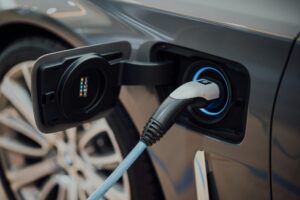
    There’s a lot of buzz around electric vehicles right now, and with that comes a fair amount of confusion, especially when it comes to home charger installation. Maybe you’ve been putting it off, thinking it’s complicated, expensive, or something you could just handle yourself later. You’re not alone. A bunch of common myths are holding people back from getting set up the right way. Let’s clear the air and make this whole thing simpler.

    Myth 1: You Can Just Plug It Into a Regular Powerpoint

    It sounds convenient, doesn’t it? Just plug your EV into the wall like it’s a toaster.

    But here’s the deal: Yes, some EVs can technically charge through a standard outlet, but it’s incredibly slow. Think 24+ hours to charge from empty. Not exactly practical for daily use.

    More importantly, regular sockets aren’t designed to handle the sustained load required for EV charging. That kind of demand can overheat the wiring and pose a fire risk if not properly managed.

    The better move? A dedicated EV charger installed by a qualified electrician. It’s faster, safer, and tailored to your home’s power capacity.

    Myth 2: DIY Installation Is Fine if You’re Handy

    Even if you’re confident with tools and electrical work, EV charger installation is not a DIY job. In few countries, it’s actually illegal to do this kind of electrical work unless you’re licensed. We’re talking about high voltage, continuous power flow, and integration with your home’s switchboard. Mistakes here aren’t just risky, they can be life-threatening.

    A professional will:

    • Assess your home’s electrical system
    • Ensure compliance with safety standards
    • Prevent overloading your circuits
    • Issue a compliance certificate (which you may need for insurance)

    This is one area where cutting corners simply isn’t worth the risk. So, do not hesitate to reach out to trusted electrician services Augusta GA, or elsewhere, to ensure your EV charger is installed safely and properly, giving you peace of mind and long-term reliability.

    Myth 3: All Chargers Are Basically the Same

    Not true. There’s a big difference between basic chargers and smart chargers. Smart chargers come with features like load management, app control, scheduling, and solar integration. Some are future-ready and designed to work with emerging energy systems, like vehicle-to-grid.

    If you’ve invested in an EV, it makes sense to think about how your charging setup fits into your home’s wider energy use. A qualified installer can walk you through the options that match your car, your budget, and your lifestyle.

    Myth 4: You Need Three-Phase Power or Solar to Install One

    Let’s clear this up: three-phase power can be helpful, but it’s not essential. Most homes run on single-phase power, and that’s perfectly fine for installing an EV charger. The installer will match the charger to your setup, and you can still charge overnight or during off-peak hours without issue.

    Same goes for solar. If you have it, great! Some chargers can even tap into your solar system to charge your car with free power. But it’s absolutely not a requirement.

    Myth 5: It’s Too Expensive

    The cost of installation depends on your home’s existing electrical setup, the type of charger, and how far it is from your switchboard. But it’s not as costly as many people assume.

    Think of it like this: this is a one-time investment that gives you daily convenience and long-term savings. Compared to fuel costs, EVs are cheaper to run, and a proper charging setup just makes that benefit even more seamless.

    Plus, some state governments offer rebates or incentives for home EV charger installation. It’s worth checking what’s available in your area.

    Myth 6: You Can Always Upgrade Later If Needed

    Sure, you can upgrade later, but it often ends up costing more. If you get the wrong charger now or skip key features thinking you’ll “sort it out later,” you might end up redoing parts of the job. That could mean rewiring, upgrading your switchboard again, or uninstalling and reinstalling new hardware.

    It’s smarter (and more cost-effective) to think ahead. A licensed installer will look at your future needs too, like if you plan to get a second EV, or want to integrate solar later on.

    Myth 7: It’s Just Not Urgent

    It’s easy to delay something that feels optional. But if you’re already driving an EV or planning to get one soon, it’s a decision worth making now.

    Charging at home is by far the most convenient way to keep your battery topped up. No detours to charging stations, no queues, no relying on apps to find an available spot.

    It’s about making EV ownership effortless. And when done right, it absolutely is.

    Don’t Let These Myths Stall Your Progress

    EV charger installation doesn’t need to be stressful or overly technical, but it does need to be done properly. The key takeaway? This is a job for the professionals.

    When installed correctly, a home charger gives you:

    • Convenience – Charge while you sleep, every night
    • Safety – Proper wiring, protection, and certification
    • Efficiency – Faster charging, tailored to your setup
    • Future-proofing – Scalable options that grow with your needs

    If you’ve been on the fence because of confusion or bad advice, it might be time to stop waiting. A clear, professional installation can save you time, money, and a lot of hassle down the road.

    Don’t let old myths slow you down. With the right setup, charging at home is one of the biggest perks of owning an EV.

  • Got Questions About Getting a Car Loan? Here Are the Answers You Need

    Got Questions About Getting a Car Loan? Here Are the Answers You Need

    Thinking about getting a car loan but not sure where to start? You’re not alone. Car finance is one of those things that seem straightforward—until you actually look into it. Then the questions start rolling in. What happens if my credit isn’t perfect? Can I get a car loan after just buying a house? Should I borrow through my mortgage or go for a standalone car loan?

     

    In this post, we’re going to clear up the confusion around car loans. Whether you’re buying your first car or upgrading to something new, this guide will help you understand your options and make better choices.

    1. Can I get a car loan if I have other debts?

    Yes, you can—but it depends on how much debt you already have and whether you can realistically manage more repayments.

    Lenders care about one key thing: your ability to repay the loan. They’ll look at your income, expenses, and current financial commitments like credit cards, personal loans, or mortgages. If there’s enough breathing room in your budget, your application stands a good chance.

    The big thing to remember? It’s not just about whether you’re approved. It’s about whether you can comfortably manage those repayments over the life of the loan. If money’s already tight, it might be worth waiting or choosing a cheaper car to stay on top of your finances.

    2. What if I want a car loan after buying a house?

    This one comes up a lot, as a lot of people are interested in getting a car loan after buying a house, but they’re not sure if this is possible. The good news is, yes—you can still get an auto loan after buying a house. Here’s what to keep in mind:

    • Once your mortgage is settled, lenders are less concerned about new credit applications.
    • Your loan eligibility will depend on your current financial position, not just the fact that you have a mortgage.
    • What really matters is your repayment capacity. That means how much money you have left over each month after covering your mortgage and living expenses.

    A lot of people find that their budget feels tight right after buying a home. But if you’ve budgeted well and have room for a car loan, there’s nothing stopping you. Some lenders might even see homeownership as a sign of financial responsibility.

    Should you wait until after settlement?

    If you’re still in the settlement period of your house purchase, be careful. Applying for more credit could delay or complicate your mortgage process. But once the house is yours, you’re free to explore other loans with more flexibility.

    3. Does my credit score affect my chances?

    Absolutely—but probably not in the way you think.

    If you’ve recently taken out a mortgage and managed everything well, your credit score might actually improve. Paying bills on time and having a solid loan history works in your favour.

    But if you had multiple mortgage applications knocked back before one finally stuck, that could lower your score temporarily. It’s not the end of the world, but it might make your car loan interest rate a little higher—or limit which lenders will consider you.

    The main thing? Only apply when you’re confident you’ll be approved. Too many applications in a short time can work against you.

    4. Is it cheaper to borrow through my mortgage?

    This one’s tricky—and often misunderstood.

    Yes, mortgage rates are usually lower than car loan rates. So topping up your home loan to buy a car feels cheaper. But over 20 or 30 years? You’ll likely end up paying a lot more in total.

    Let’s put it in perspective:

    • Top-up through mortgage (30 years) – Lower monthly repayments, but more interest over time. You might end up paying double for the car.
    • Separate car loan (5 years) – Higher repayments, but less total interest and you’ll pay it off much faster.
    • Top-up mortgage but repay like a car loan – This can be the best of both worlds if you’re disciplined and stick to a short repayment timeframe.

    It all comes down to how you manage repayments. If you’re the type to make only the minimum payments, a car loan might actually save you money long term.

    5. How much can I borrow?

    There’s no one-size-fits-all answer here, but a few key factors will shape your borrowing power:

    • Your income – More income generally means more borrowing potential.
    • Your expenses – Lenders look at everything from rent and utilities to food and insurance.
    • Other debts – The more you owe, the less you may be allowed to borrow.
    • Deposit or trade-in – The more you contribute upfront, the less you need to borrow.

    If you want a quick estimate, most lenders will offer a borrowing calculator—but a personalised quote will always be more accurate.

    6. Is there a best time to apply?

    Timing matters, especially if you’ve just made a big financial move like buying a house.

    Once your mortgage has settled and you’ve got a clear picture of your finances, that’s usually a safe time to apply. You’ll be in a better position to understand how much extra debt you can handle and what repayment amount feels realistic.

    Also, keep in mind:

    • Your financial stability matters more than the exact date of your mortgage settlement.
    • Avoid applying for multiple loans at once—it can impact your credit score.

    One Last Thing to Think About

    Getting a car loan isn’t just about what you can afford today. It’s about setting yourself up for the long term. A flashy new car might feel good now, but if it eats up too much of your budget, it can create pressure down the road.

    The smartest move? Take a moment to compare your options. Look at the total cost over time—not just the monthly repayments. And be honest with yourself about your repayment habits. That way, whatever path you choose—mortgage top-up or separate loan—you’re making the call with your eyes open.

    Ready to start exploring? It all begins with knowing your numbers.

  • Upgrade Your Car’s Audio: Transform Every Drive Into a Concert Experience

    Upgrade Your Car’s Audio: Transform Every Drive Into a Concert Experience

    Ever found yourself singing along to your favorite song, only to be let down by dull, crackly speakers? Or maybe you’ve tried to enjoy a podcast on a long drive, but background noise ruined the experience? Upgrading your car’s audio system can change that completely. Imagine crystal-clear sound, booming bass, and a rich listening experience that makes every journey feel like a private concert. Sounds tempting, right? Let’s explore how you can revamp your car’s sound system and why it’s totally worth it.

    Why Upgrade Your Car’s Audio System?

    Factory-installed car audio systems are often basic. They’re designed to be cost-effective rather than exceptional, which means you’re missing out on the full potential of your favorite music or podcasts. Upgrading your car audio system with Hipro Audio isn’t just about volume—it’s about clarity, depth, and richness. Whether you’re a casual listener or a hardcore audiophile, an enhanced system can make your daily commute or road trip far more enjoyable. Plus, if you spend a lot of time in your car, better audio isn’t just a luxury—it’s an upgrade to your entire driving experience.

    Key Components to Consider

    When it comes to upgrading, knowing which parts of your system to focus on can make a big difference. Here are the essential components worth considering:

    1. Speakers – The Heart of Your Audio System

    Your car’s speakers are crucial. Stock speakers are often made from cheap materials, which affects sound quality. Upgrading to higher-quality speakers can improve clarity, bass response, and overall balance. You can choose from coaxial (all-in-one) or component speakers (separate tweeters and woofers for better sound distribution).

    2. Subwoofers – Feel the Bass

    If you want deep, punchy bass, adding a subwoofer is a must. Even a small one can drastically enhance your listening experience. Subwoofers handle low frequencies that regular speakers can’t, making your music feel fuller and more dynamic.

    3. Amplifiers – Power Up Your Sound

    An amplifier provides your speakers with the power they need to perform at their best. Without one, you might notice distortion at higher volumes. An amp ensures cleaner sound and better volume control, giving you crisp audio even when you crank up the tunes.

    4. Head Unit – Modernize Your Controls

    Upgrading the head unit (or stereo) can bring in features like Bluetooth connectivity, touchscreens, and better sound processing. A new head unit not only boosts sound quality but also adds convenience and modern features to your car.

    5. Sound Deadening – Eliminate Unwanted Noise

    No matter how good your speakers are, road noise can ruin the experience. Installing sound-deadening materials helps block out external sounds, making your upgraded system truly shine.

    How to Choose the Right Upgrades

    Choosing the right upgrades depends on your preferences and how you use your car. If you love bass-heavy music, a subwoofer should be a priority. If you’re after crisp vocals and overall balance, new speakers and an amplifier might be enough. Consider how much you’re willing to spend and whether you want to install the upgrades yourself or hire a professional. While DIY can save money, professional installation ensures optimal performance and avoids wiring mishaps.

    Benefits of Upgrading Your Car Audio

    Investing in your car’s audio system has more benefits than you might think.

    • Better Sound Quality – Clearer highs, richer mids, and deeper lows transform how your music sounds.
    • Enhanced Driving Experience – Good audio can make traffic jams, long commutes, and road trips far more enjoyable.
    • Modern Features – Upgraded systems often include Bluetooth, smartphone integration, and touch controls.
    • Increased Resale Value – A quality audio system can make your car more appealing to future buyers.
    • Customizable Sound – Tailor your audio settings to suit your taste, whether you’re into rock, hip-hop, or podcasts.

    DIY vs. Professional Installation: What’s Right for You?

    Thinking about installing your new audio components yourself? If you’re handy with tools and comfortable with car electronics, DIY might save you money. There are plenty of tutorials online to guide you through the process. However, if you’re unsure, it’s worth paying a professional. They can ensure the system is installed correctly, avoiding issues like poor wiring or sound distortion. Plus, pros often know tricks to maximize sound quality that you might not find in a basic guide.

    Tips for Getting the Best Sound

    Upgrading your system is one thing—optimizing it is another. Here are some quick tips to get the best results:

    • Tune Your Equalizer: Don’t rely on preset modes. Adjust the EQ to suit your music preferences.
    • Use High-Quality Audio Files: Streaming services are convenient, but high-quality files (like FLAC) sound noticeably better.
    • Break in Your Speakers: New speakers improve after some use. Give them time to reach their full potential.
    • Consider Speaker Placement: Proper positioning can significantly enhance sound clarity and depth.
    • Don’t Forget the Cables: Quality wiring ensures your system performs at its best, minimizing signal loss.

    Is It Worth the Investment?

    Absolutely! Upgrading your car’s audio system is one of the best ways to improve your driving experience. Whether you’re after booming bass, crystal-clear podcasts, or simply better sound for everyday commutes, the benefits are immediate and lasting. With the right setup, your car becomes more than just a means of transportation—it becomes your personal concert hall.

    Ready to Rev Up Your Sound?

    Your car is more than just a vehicle—it’s where you spend a significant part of your day. So why settle for subpar audio? With the right upgrades, every drive can be a musical escape or a chance to enjoy crystal-clear podcasts. Start exploring your options, and you’ll be surprised how much of a difference great sound can make.

  • How to Budget for Car Repairs and Maintenance: Essential Tips for Vehicle Owners

    How to Budget for Car Repairs and Maintenance: Essential Tips for Vehicle Owners

    Owning a car comes with the responsibility of regular maintenance and occasional repairs. For many, unexpected vehicle issues can disrupt financial stability. Budgeting for car repairs and maintenance ensures peace of mind and helps avoid costly surprises.

    Creating a budget allows individuals to set aside funds specifically for their vehicle’s needs. It is essential to account for routine checks, tyres, oil changes, and unforeseen repairs. By tracking these expenses, vehicle owners can maintain their cars effectively while safeguarding their finances.

    Being aware of the average costs associated with various maintenance services enables better planning. Setting aside a specific monthly amount for car-related expenses helps smooth out the financial impact over time, ensuring that when the need for repairs arises, the budget remains intact.

    Understanding Car Maintenance and Repairs

    Car maintenance and repairs are essential for ensuring vehicle reliability and longevity. Regular upkeep can help mitigate unexpected breakdowns and costly repairs. Awareness of routine services, common repairs, and the importance of timely interventions aids car owners in budgeting effectively.

    Regular Servicing and Maintenance

    Routine maintenance is crucial for keeping a vehicle in good condition. Regular check-ups, scheduled oil changes, and tyre rotations contribute significantly to vehicle upkeep. These services often adhere to a maintenance schedule recommended by the manufacturer. An important part of this process is a thorough vehicle inspection by professionals, or as a DIY solution, to assess the overall health and safety of your car. This can help identify any issues that might not be obvious during routine checks, thus ensuring all components are functioning properly and safely.

    Key maintenance tasks include checking fluid levels, replacing air filters, and inspecting brake pads. Heeding the manufacturer’s guidelines and keeping thorough records of past services can prevent serious issues. This proactive approach helps identify potential problems early, avoiding more severe and costly repairs down the line.

    Common Car Repairs

    Certain car repairs are more frequent and can arise unexpectedly. Common issues include brake maintenance, wheel alignment, and warning signals such as the check engine light. For example, worn brake pads can significantly reduce performance and pose serious safety risks if left unaddressed.

    Tyres also require regular rotation and alignment to ensure even wear and optimal handling. Neglecting these routine needs could result in uneven tyre damage, unexpected breakdowns, and higher overall maintenance costs.

    Therefore, at the first sign of any issue, it is important to consult a qualified mechanic from a reliable auto repair center such as Mersey Street Garage. Experts can thoroughly inspect the vehicle, identify potential problems early, and prevent them from escalating into more serious and costly repairs.

    Importance of Timely Repairs

    Timely repairs are critical for vehicle health and safety. Delaying necessary repairs can lead to more significant problems, resulting in higher costs. For example, neglecting minor repairs can escalate into major repairs, like engine failures or transmission issues.

    Prioritising vehicle upkeep ensures that small problems are addressed before they compound. This strategy not only helps keep repair costs manageable but also prolongs the lifespan of the vehicle. Additionally, addressing issues promptly can enhance driving safety, preventing accidents caused by mechanical failures.

    Budgeting for Car Maintenance

    Establishing a robust maintenance budget is crucial for keeping a vehicle in good condition without straining finances. It requires a systematic approach to setting aside funds for routine upkeep and preparing for unexpected repairs.

    Setting Up a Maintenance Budget

    To set up a maintenance budget, a monthly allocation should be determined based on the vehicle’s age, make, and mileage. Generally, a good starting point is to allocate around £50 to £100 each month.

    Creating a sinking fund can aid in this process. A sinking fund allows an individual to save gradually for expected expenses, such as oil changes, tyre rotations, and brake replacements.

    Keeping detailed records of past expenses can provide insight into typical costs, helping to fine-tune the budget. This proactive measure not only enhances financial stability but also ensures the necessary funds are available when maintenance is due.

    Anticipating Unexpected Repair Costs

    Unexpected repair costs can arise at any time, making it essential to have a contingency plan. A separate portion of the maintenance budget should be dedicated to these unforeseen expenses.

    Setting aside an additional £25 to £50 each month can create a buffer for emergencies. Individuals can also research common issues for their specific vehicle model to anticipate potential repairs.

    Creating a list of priority repairs helps in deciding where to allocate funds first. By staying prepared, individuals can mitigate the financial impact of sudden repairs and sustain the vehicle’s longevity without excessive stress on their budget.

    Ways to Save on Maintenance and Repairs

    Managing car maintenance costs can significantly improve savings over time. There are various strategies one can implement to reduce expenses while ensuring the vehicle remains in top condition.

    DIY Maintenance Tips

    Regular maintenance can be done independently, which can lead to substantial savings. Routine oil changes are crucial and can be performed at home with minimal tools. By using high-quality oil and filters, vehicle reliability increases. Keeping a consistent check on tyre pressure can also enhance fuel efficiency, as under-inflated tyres reduce mileage.

    Basic tasks such as replacing air filters, wiper blades, and even light bulbs can be easily handled. Utilising online tutorials and guides makes learning these skills manageable. Setting a schedule for regular servicing helps ensure all maintenance tasks are up to date, further preventing costly repairs in the long run.

    Opting for Extended Warranties and Insurance

    Choosing extended warranties can protect against unexpected repair costs. These warranties cover specific parts and systems after the manufacturer’s warranty expires. By selecting the right warranty, it is possible to avoid out-of-pocket expenses for significant repairs.

    Additionally, comprehensive car insurance policies can provide coverage for damages and accidents. Opting for policies with lower premiums may appear beneficial, but ensuring adequate coverage is crucial for long-term financial protection. Cost comparisons between different insurers can help identify the best value without sacrificing coverage quality.

    Investing in Quality Parts

    In addition to regular maintenance and financial protection through warranties and insurance, choosing high-quality vehicle components can also help reduce long-term repair costs. Durable and well-made parts often perform more reliably and last longer, helping prevent frequent replacements and unexpected mechanical issues.

    For instance, purchasing premium tyres at tyres.co.uk (or a similar site) can improve traction, safety, and fuel efficiency, while also supporting better overall driving performance. Because quality tyres tend to last longer, they can also prove to be more cost-effective over time.

    Similarly, investing in dependable components such as brake pads, batteries, and air filters can help maintain the vehicle’s efficiency and reliability. By prioritising quality parts, individuals can support smoother performance and reduce the likelihood of costly repairs in the future.

    Choosing the Right Auto Shop

    Selecting a reputable auto shop can lead to cost savings on repairs and maintenance. It’s advisable to seek recommendations from friends or family. A trustworthy mechanic will be transparent about costs and necessary repairs.

    Alongside choosing a dependable mechanic, regular exterior maintenance can prevent small issues from becoming costly repairs. Frequent washes remove salt, grit, and chemical deposits that accelerate paint and undercarriage corrosion, especially in regions with harsh winters.

    Using an automated, thorough service makes this preventative step easy to keep up with; for example, local options such as Express Carwash can offer scheduled and unlimited membership plans that can help preserve a vehicle’s finish. Treating exterior care as part of your maintenance routine can reduce repainting and rust repair expenses over time.

    Comparing quotes from various auto shops can also yield savings. Some shops may offer loyalty discounts or promotional deals for routine services. Additionally, checking for certifications ensures the shop meets industry standards, providing confidence in the quality of work performed. Prioritising quality and reliability over the lowest price can save money on future repairs and enhance overall vehicle performance.

  • Driving Apps That Make Your Life Easier: Streamlining Your Daily Commute and Beyond

    Driving Apps That Make Your Life Easier: Streamlining Your Daily Commute and Beyond

    In today’s fast-paced world, driving apps have become essential tools for making daily commutes and long journeys more manageable. These applications offer various features, from real-time traffic updates to navigation assistance, ensuring users can maintain a smooth driving experience. The best driving apps simplify life on the road, providing solutions that increase efficiency and safety for every driver.

    Whether a commuter needs to avoid congested routes or a road trip enthusiast seeks convenient stopovers, there’s a driving app suited to their specific needs. Many of these apps also incorporate additional functionalities, such as fuel price comparisons and parking locators, enhancing their value. Users can reduce stress and save time through streamlined features designed to assist every aspect of driving.

    As technology continues to evolve, the importance of these apps only grows. Understanding which driving apps are truly effective can greatly impact one’s daily travels. By exploring the most reliable options available, drivers can choose the tools that best suit their lifestyles and driving habits.

    Essential Navigation and Traffic Apps

    Navigating urban environments and managing traffic can significantly affect one’s daily commute. Effective navigation and traffic apps provide essential tools to streamline travel, reduce delays, and improve overall driving experiences.

    Real-Time Traffic Information

    Real-time traffic apps are crucial for avoiding congestion and delays. Waze stands out by allowing users to share live traffic updates, road hazards, and even police locations. This crowdsourced information helps drivers make informed decisions about their routes.

    Google Maps also offers reliable real-time traffic updates. It uses historical data and current conditions to predict traffic patterns, allowing users to choose the most efficient paths. Notifications about accidents or heavy traffic can be sent, enabling quick reroutes.

    Both apps integrate with Android Auto and Apple CarPlay, ensuring easy access to traffic information while driving. This connectivity helps keep a driver’s focus on the road while receiving crucial updates.

    Smart Route Planning

    Smart route planning apps enhance driving by suggesting optimal paths based on various factors. Google Maps provides multiple route options, highlighting travel times and potential delays. Users can select routes based on fastest, most scenic, or toll-free preferences.

    Waze goes further by adapting routes in real-time based on live traffic conditions. This means it can change suggested paths even mid-journey, thereby saving time.

    Integration with Android Auto and Apple CarPlay allows drivers to use voice commands for navigation without distraction. With these tools, planning efficient routes becomes straightforward, making navigation a stress-free task.

    Entertainment and Convenience on the Go

    Driving apps now offer a range of features to enhance audio entertainment and smartphone integration, making journeys more enjoyable and efficient. These innovations address the need for both leisure and practicality while on the road.

    Audio Entertainment

    Audio entertainment options are abundant, allowing drivers to enjoy music, podcasts, and audiobooks with ease. Spotify provides a vast library of songs and playlists tailored to various moods, ensuring a personalised listening experience.

    Audiobooks, available through services like Audible, offer engaging narratives for those who prefer stories while driving. Users can select from a wide range of titles, allowing for immersive experiences during commutes or long trips.

    Podcasts, covering a variety of topics, give users the ability to stay informed or entertained, all from a single app. Many of these services are integrated with car systems, ensuring hands-free use for safety.

    Smartphone Integration

    Smartphone integration changes the way drivers interact with their devices. Android Auto and Apple CarPlay allow seamless connection between smartphones and car infotainment systems.

    Both platforms support popular apps like Spotify and Audible, allowing users to access their favourite audio content effortlessly. This integration enables voice commands and touchscreen controls, keeping distractions to a minimum.

    Drivers can also receive navigation updates and hands-free calls, enhancing convenience. Notifications appear on the display, ensuring drivers remain focused on the road while staying connected. This connectivity redefines travel by merging entertainment with practicality.

    Vehicle Management and Support

    Effective vehicle management is crucial for maintaining a smooth driving experience. Two key areas include maintenance and diagnostics, as well as on-road assistance, which provides vital support for vehicle health and emergency situations.

    Maintenance and Diagnostics

    Using apps like Automatic can significantly enhance vehicle maintenance. This app monitors engine health, providing diagnostic trouble codes directly to a user’s smartphone.

    Features include:

    • Real-time alerts for potential issues
    • Trip tracking to monitor fuel efficiency and driving habits

    MileIQ helps users track mileage for business purposes, making it easier to log trips and calculate deductions.

    The inclusion of a Smart Dash Cam offers peace of mind by providing video evidence of accidents or incidents. Maintenance reminders are often built into these applications, ensuring users stay on top of regular service tasks such as oil changes and tyre rotations.

    On-Road Assistance

    For unexpected situations, apps like Roadside Assistance deliver immediate help. Users can access services such as fuel delivery, tyre changes, and towing directly from their mobile devices.

    Key benefits include:

    • 24/7 availability for emergencies
    • Location-based service requests for faster response times

    Lifesaver is another essential tool that assists with safe driving, providing alerts and support in case of reckless behaviour or collisions. Many of these apps also feature a driver safety rating, encouraging users to maintain better driving habits.

    Emphasising compatibility with various vehicle models, these apps ensure that drivers have reliable support whenever needed.

    Optimising Your Journey Costs

    Navigating costs associated with driving can significantly enhance the overall experience of car travel. Focusing on saving fuel, managing parking, and utilising toll services efficiently are essential strategies.

    Fuel Savings and Parking Solutions

    Keeping fuel costs in check is crucial for anyone who drives regularly. Apps like GasBuddy help track petrol prices at nearby stations, allowing users to plan refuelling stops at the most economical locations. This can result in substantial savings over time.

    For parking, services like JustPark and SpotHero provide options to find and reserve parking spots in advance. Users can compare prices and avoid the hassle of searching for empty spaces, often securing better rates than traditional parking meters. Furthermore, some apps reward users with discounts based on loyalty, further reducing parking expenses.

    Toll Payments and Car Sharing

    Navigating tolls can often surprise drivers with unexpected charges. iExit gives insight into toll costs and nearby alternatives, allowing users to choose the most cost-effective routes. Using this app helps in planning travels and comparing costs ahead of time.

    Car-sharing services, such as Uber, offer an alternative to solo driving and can save money on fuel and maintenance. When needing transport but not owning a vehicle, apps can facilitate easy access to ridesharing options. Choosing shared rides during busy hours may lead to cost splits, making it an economical choice for many. This approach reduces financial stress while travelling.

  • The Vivaro Advantage: What Sets Vauxhall’s Van Apart in the Market

    The Vivaro Advantage: What Sets Vauxhall’s Van Apart in the Market

    In the bustling arena of commercial vans, the Vauxhall Vivaro emerges as a standout player, weaving together practicality and performance to create a coveted option for businesses of all sizes. As we navigate through the features that make the Vivaro unique, it becomes evident why it enjoys a reputation as a top choice in the competitive market.

     

    1. Versatile Design and Build

    When it comes to meeting diverse business needs, the Vivaro takes the lead with its adaptable design. Whether you’re in transport or logistics, the van offers an array of body styles, from the classic panel van to the double cab and platform cab. Its variety in size options further ensures it caters to the specific cargo requirements of different industries, providing a flexible solution for businesses on the move.


    2. Engine Performance and Efficiency

    Under the hood, the Vivaro boasts impressive engine options that seamlessly blend fuel efficiency with robust performance. This isn’t just about moving cargo; it’s about doing so in a way that’s both cost-effective and environmentally conscious. The engine technology employed by the Vivaro isn’t merely about power; it’s a strategic choice that aligns with modern business priorities.


    3. Advanced Technology and Connectivity

    Step inside the Vivaro, and you’ll find yourself immersed in a world of advanced technology. The van doesn’t just transport goods; it connects businesses to the future. Smart navigation systems ensure efficient routes, while seamless integration with mobile devices and business apps keeps you in control, transforming the Vivaro into a mobile command center for your business.


    Smart Navigation Systems:

    • Efficient route planning for timely and optimized deliveries.
    • Real-time traffic updates to navigate around potential delays.
    • User-friendly interface for intuitive and hassle-free operation.

    Connectivity Options:

    • Seamless integration with mobile devices.
    • Syncing capabilities with essential business apps.
    • Remote access and control for enhanced operational management.

    Mobile Command Center:

    • The Vivaro transforms into a hub of business activity on the move.
    • Centralized control for managing logistics and deliveries.
    • Real-time communication and coordination for a streamlined workflow.

    4. Comfort and Driving Experience

    Long journeys are no longer a daunting prospect in the Vivaro. The interior design prioritizes both driver and passenger comfort, making those extended trips not only bearable but enjoyable. The driving experience goes beyond basic functionality, incorporating top-notch handling, responsive suspension, and a suite of driver assistance features that turn every journey into a smooth operation.


    5. Safety Features

    Safety isn’t just a feature; it’s a commitment in the Vivaro. The van is fortified with a range of safety features that not only protect the driver but also safeguard the precious cargo on board. As businesses navigate the unpredictable roads of success, the Vivaro ensures a secure journey, boosting its overall appeal to safety-conscious enterprises.


    6. Customization and Adaptability

    Businesses are unique, and the Vivaro understands that. With customization options galore, the van adapts to specific business needs and preferences. This flexibility isn’t a luxury; it’s a necessity for industries with diverse requirements. The Vivaro isn’t just a van; it’s a tailored solution for a myriad of industries, from delivery services to construction projects.


    7. Economic Considerations

    In the world of commercial vehicles, the Vivaro stands out not just for its features but for its economic advantages. From a strong resale value to manageable maintenance costs and appealing warranty options, the Vivaro makes a compelling case for businesses aiming to balance efficiency with fiscal responsibility. The total cost of ownership becomes not just a consideration but a testament to the long-term value the Vivaro brings to the table.


    8. Customer Satisfaction and Reviews

    What truly speaks volumes about a vehicle is the feedback from those who use it daily. Customer reviews and satisfaction surveys paint a vivid picture of the Vivaro’s real-world performance. From small businesses to larger enterprises, the van enjoys a positive reputation, underlining its reliability, efficiency, and the tangible impact it has on businesses’ daily operations.


    9. The Vivaro in the Commercial Vehicle Market

    Zooming out, it’s crucial to place the Vivaro in the broader context of the commercial vehicle market. A comparative analysis against its main competitors reveals what sets the Vivaro apart—customer preference. Its unique blend of features, customization options, and economic advantages positions it as a front-runner, not just in terms of functionality but in terms of what businesses actually want.


    Conclusion

    In conclusion, the Vauxhall Vivaro isn’t just a commercial van; it’s a strategic partner for businesses. Its versatility, advanced features, and economic considerations make it a compelling choice. As the curtain falls on this exploration of the Vivaro advantage, one fact remains clear—this van isn’t just driving; it’s driving businesses forward.

  • The Vivaro Advantage: What Sets Vauxhall’s Van Apart in the Market

    The Vivaro Advantage: What Sets Vauxhall’s Van Apart in the Market

    In the bustling arena of commercial vans, the Vauxhall Vivaro emerges as a standout player, weaving together practicality and performance to create a coveted option for businesses of all sizes. As we navigate through the features that make the Vivaro unique, it becomes evident why it enjoys a reputation as a top choice in the competitive market.


    1. Versatile Design and Build

    When it comes to meeting diverse business needs, the Vivaro takes the lead with its adaptable design. Whether you’re in transport or logistics, the van offers an array of body styles, from the classic panel van to the double cab and platform cab. Its variety in size options further ensures it caters to the specific cargo requirements of different industries, providing a flexible solution for businesses on the move.


    2. Engine Performance and Efficiency

    Under the hood, the Vivaro boasts impressive engine options that seamlessly blend fuel efficiency with robust performance. This isn’t just about moving cargo; it’s about doing so in a way that’s both cost-effective and environmentally conscious. The engine technology employed by the Vivaro isn’t merely about power; it’s a strategic choice that aligns with modern business priorities.


    3. Advanced Technology and Connectivity

    Step inside the Vivaro, and you’ll find yourself immersed in a world of advanced technology. The van doesn’t just transport goods; it connects businesses to the future. Smart navigation systems ensure efficient routes, while seamless integration with mobile devices and business apps keeps you in control, transforming the Vivaro into a mobile command center for your business.


    Smart Navigation Systems:

    • Efficient route planning for timely and optimized deliveries.
    • Real-time traffic updates to navigate around potential delays.
    • User-friendly interface for intuitive and hassle-free operation.

    Connectivity Options:

    • Seamless integration with mobile devices.
    • Syncing capabilities with essential business apps.
    • Remote access and control for enhanced operational management.

    Mobile Command Center:

    • The Vivaro transforms into a hub of business activity on the move.
    • Centralized control for managing logistics and deliveries.
    • Real-time communication and coordination for a streamlined workflow.

    4. Comfort and Driving Experience

    Long journeys are no longer a daunting prospect in the Vivaro. The interior design prioritizes both driver and passenger comfort, making those extended trips not only bearable but enjoyable. The driving experience goes beyond basic functionality, incorporating top-notch handling, responsive suspension, and a suite of driver assistance features that turn every journey into a smooth operation.


    5. Safety Features

    Safety isn’t just a feature; it’s a commitment in the Vivaro. The van is fortified with a range of safety features that not only protect the driver but also safeguard the precious cargo on board. As businesses navigate the unpredictable roads of success, the Vivaro ensures a secure journey, boosting its overall appeal to safety-conscious enterprises.


    6. Customization and Adaptability

    Businesses are unique, and the Vivaro understands that. With customization options galore, the van adapts to specific business needs and preferences. This flexibility isn’t a luxury; it’s a necessity for industries with diverse requirements. The Vivaro isn’t just a van; it’s a tailored solution for a myriad of industries, from delivery services to construction projects.


    7. Economic Considerations

    In the world of commercial vehicles, the Vivaro stands out not just for its features but for its economic advantages. From a strong resale value to manageable maintenance costs and appealing warranty options, the Vivaro makes a compelling case for businesses aiming to balance efficiency with fiscal responsibility. The total cost of ownership becomes not just a consideration but a testament to the long-term value the Vivaro brings to the table.


    8. Customer Satisfaction and Reviews

    What truly speaks volumes about a vehicle is the feedback from those who use it daily. Customer reviews and satisfaction surveys paint a vivid picture of the Vivaro’s real-world performance. From small businesses to larger enterprises, the van enjoys a positive reputation, underlining its reliability, efficiency, and the tangible impact it has on businesses’ daily operations.


    9. The Vivaro in the Commercial Vehicle Market

    Zooming out, it’s crucial to place the Vivaro in the broader context of the commercial vehicle market. A comparative analysis against its main competitors reveals what sets the Vivaro apart—customer preference. Its unique blend of features, customization options, and economic advantages positions it as a front-runner, not just in terms of functionality but in terms of what businesses actually want.


    Conclusion

    In conclusion, the Vauxhall Vivaro isn’t just a commercial van; it’s a strategic partner for businesses. Its versatility, advanced features, and economic considerations make it a compelling choice. As the curtain falls on this exploration of the Vivaro advantage, one fact remains clear—this van isn’t just driving; it’s driving businesses forward.

  • Five Essential Car Maintenance Tips For Every Driver

    Five Essential Car Maintenance Tips For Every Driver

    Are you having problems with your car? Do you detest driving because there are always issues with the engine and obnoxious warning lights?

    It is the duty of every driver to take care of their vehicle. The majority of auto problems are caused by neglected routine maintenance. You can make time and financial investments to prevent issues from this.

    This article offers five vital car maintenance advice that every motorist should be aware of. Learn these tricks to lengthen the life and performance of your vehicle. Enjoy a trouble-free and seamless driving experience.

    1. Change the Oil Regularly

    One of the most important pieces of auto maintenance advice for any driver is changing the oil. It lowers the possibility of wear and tear by keeping your engine oiled and operating. The frequency of this maintenance procedure should be every 5,000 miles or every six months, whichever comes first.

    Having a well-organized and sturdy garage, like an imperial metal garage, can make this process much more convenient. It provides a secure and weather-resistant space to store all the tools you’ll need, such as the oil, oil filter, funnel, and oil drain pan, and gives you a clean, flat surface to work on.

    To change the oil, start by releasing and removing the oil drain cap before changing the oil. After that, swap out the old oil filter for a fresh one. The oil should now be poured into the engine and allowed to pass through the oil filter.

    Start your engine and let it run for a few minutes after reinstalling the drain plug.

    2. Inspect Brakes and Tires

    Drivers should inspect their brakes and tires to maintain the safety and function of their vehicles. Brakes and tires must be checked for wear and tear every 6,000 miles and when there is a noticeable change in performance. Checking for tread depth is also important, as brakes with inadequate tread can lead to skidding, which can be dangerous. It cannot be understated that Brake Tester Safety Importance is paramount, especially if you own a business which revolves around operating a fleet of vehicles. Whether this is the case or not, using brake testers every 6000 miles or so, through a reputable mechanic or your own means is key to ensure safety on the road.

    Checking the tire’s air pressure can also improve performance and reduce the risk of tire blowouts. Driving with incorrect inflation can also cause the brakes to work harder and can decrease their lifespan. Drivers should also look for signs of damage to the brakes, such as cracks and rust, and if present, should take their car to a mechanic for inspection.

    In another instance, if you own a Porsche and you hear noises such as squealing, grinding, or scraping when braking, then the brake pads may need to be replaced. If the sound persists even after the repair, you may need to consult a reputable Porsche Specialist who can look out for hidden issues and fix them.

    3. Check the Drive Belts

    Checking the drive belts should be one of the most essential car maintenance tips for every driver. The drive belt handles a variety of vital parts in your vehicle. It includes the power steering, water pump, alternator, and air conditioner compressor.

    Inspecting your drive belt should be done. Check the belt to make sure it’s still intact and free from signs of wear and tear. Feel it for any fraying, softening, or cracking.

    Also, make sure it has the proper tension and is not too loose or too tight. If you notice any issues, especially cracking, it’s best to replace the belt rather than risk further damage by driving with a faulty belt. Oftentimes routine maintenance, such as inspecting drive belts, can help prevent larger car issues.

    4. Replace Fluids

    Every driver needs to replace the fluids in their car to make sure it is running at its best. This includes oil, antifreeze, brake fluid, and windshield washer fluid. Oil must replace every 3,000-5,000 miles, and antifreeze is essential to change every 40,000 miles.

    The brake fluid must change every 60,000 miles, and the windshield washer fluid also needs to replace. Replacing these fluids can help your car run. It helps to prevent future problems and can even extend the life of your vehicle.

    Be sure to always use the correct type of products when replacing fluids, as different cars need different oil types and viscosities.

    5. Clean and Wax Your Car

    Clean and waxing your car is one of the five essential car maintenance tips for every driver. Cleaning and waxing help to protect your car from the elements and keep it looking good. Regular cleaning and waxing help to reduce the impact of salt, dirt, and other environmental factors that can cause paint damage.

    Waxing also helps to protect the paint from UV damage and helps to maintain the car’s shine. The wax helps to fill scratches and blemishes, which can add to the look of the car. Waxing also helps to increase the resale value of the car, making it important to stay on top of this maintenance tip.

    It’s best to wax your car at least two times a year, with high-quality wax. After waxing, be sure to keep your car clean to maximize the longevity of the wax. You could also look into alloy wheel refurbishment for cars during this process, semi-regularly. This keeps your wheels in good shape.

    Know the Five Essential Car Maintenance Tips for Every Driver

    Regular car maintenance is essential for the best performance and to extend the life of your car. You can ride in confidence and safety if you take the time to make sure your automobile is up to date with all its required maintenance. If you want to keep your car in great condition, always change the oil regularly and inspect the brakes and tires.

    Also, replacing fluids, cleaning, and waxing your car are the most crucial pieces of advice that you should keep in mind. Schedule an appointment today to ensure vehicle safety and security.

    If you found this article useful, please check out some of the others on our website. We write about a variety of topics, from car maintenance to financial advice. Let’s work together to keep you and your family safe on the road!