Fuel efficiency has become a critical factor in today’s world due to rising fuel costs and increasing environmental concerns. As prices continue to fluctuate and governments impose stricter emissions regulations, saving fuel is not just a financial choice but a necessary step towards sustainability. The most important reason fuel efficiency matters more than ever is that it directly reduces both expenses and environmental impact.
Consumers and businesses alike are feeling the pressure to adapt to these changes, making fuel-efficient vehicles and practices more relevant. Reducing fuel consumption helps conserve finite resources and lowers greenhouse gas emissions, contributing to a healthier planet.
With advancements in technology and growing awareness, understanding why fuel efficiency is vital can guide better decisions. It empowers individuals and organisations to balance cost savings with environmental responsibility effectively.
The Increasing Importance of Fuel Efficiency
Fuel efficiency directly reduces the amount of fuel needed, impacting both individual expenses and larger economic systems. It also plays a critical role in managing fossil fuel dependency and the ongoing environmental challenges linked to carbon emissions.
The Connection Between Fuel Efficiency and Fuel Consumption
Fuel efficiency is a measure of how far a vehicle can travel per unit of fuel consumed. Higher fuel efficiency means less fuel is burnt to cover the same distance, leading to lower overall fuel consumption. This reduction is crucial as it decreases demand for fossil fuels, which are finite and unevenly distributed globally.
For consumers, improved fuel efficiency translates to immediate cost savings on fuel purchases. On a larger scale, reduced fuel consumption can lessen the strain on fuel supply chains and limit the environmental damage associated with the extraction, refining, and transportation of fossil fuels.
Global Economic Impacts
Fuel efficiency affects global economies by influencing spending patterns and energy security. Countries with high fossil fuel imports benefit economically when fuel-efficient technologies lower consumption, reducing import bills and improving trade balances.
Industries connected to fuel production, distribution, and vehicle manufacturing also face shifts as demand evolves. Investment often moves towards more efficient or alternative energy vehicles, impacting jobs and economic growth in traditional fossil fuel sectors. Thus, fuel efficiency contributes to broader economic resilience by encouraging diversification and innovation.
Rising Costs of Fossil Fuels
Fossil fuel prices fluctuate due to geopolitical tensions, market speculation, and diminishing reserves. Over the past decade, average global fuel prices have increased steadily, putting pressure on consumers and businesses alike.
When fuels become more expensive, the economic advantage of fuel-efficient vehicles grows, providing financial relief through reduced fuel expenditure. Companies operating large vehicle fleets gain particularly by upgrading to fuel-efficient options, markedly lowering operational costs amidst price volatility.
Environmental Pressures and Climate Change
Fossil fuel combustion is a leading source of greenhouse gas emissions, which drive global warming. Improving fuel efficiency directly reduces these emissions by limiting the fuel burned during transportation.
Efficient fuel use supports international climate targets by lowering overall carbon footprints. It also mitigates local air pollution, benefiting public health. Fuel efficiency is an accessible and scalable approach to lessen environmental damage while fossil fuels remain predominant in the energy mix.
Environmental Benefits of Improved Fuel Efficiency
Improved fuel efficiency directly lowers the amount of fuel consumed, which impacts environmental quality in measurable ways. It helps reduce emissions, supports cleaner energy sources, and lessens harm to ecosystems caused by fuel extraction and usage.
Reducing Greenhouse Gas Emissions
Fuel-efficient vehicles emit less carbon dioxide (CO2) per kilometre, decreasing the overall greenhouse gas footprint. Since transport accounts for a significant share of global emissions, even small efficiency gains translate into large CO2 reductions.
Using less fossil fuel means fewer pollutants like nitrogen oxides and particulate matter enter the atmosphere. This helps mitigate climate change and improve air quality, benefiting public health alongside the environment.
Supporting the Rise of Renewables
Higher fuel efficiency lowers dependence on fossil fuels, making renewables such as wind and solar more competitive in the energy market. It reduces demand peaks for oil and gas, facilitating a smoother transition to cleaner energy.
With improved efficiency, infrastructure can better integrate renewable energy sources without excessive stress on supply chains. This supports investment in renewables and increases their share in the overall energy mix.
Minimising Environmental Damage
Fuel extraction and refining have direct impacts on landscapes and ecosystems, including habitat destruction and water pollution. By consuming less fuel, demand pressures that drive harmful extraction activities are reduced.
Efficient fuel use also lowers the occurrence of oil spills and other accidents tied to fuel transport and storage. This protects biodiversity and maintains natural resources essential for long-term sustainability.
Fuel Efficiency in Transportation
Fuel efficiency directly impacts how much fuel is consumed by vehicles and the emissions they produce. It also affects the costs borne by consumers and the regulatory landscape governing vehicle standards.
Reducing Transport Sector Emissions
The transport sector is a significant contributor to global greenhouse gas emissions, accounting for nearly 25% of carbon dioxide emissions worldwide. Improving fuel efficiency lowers the volume of fossil fuels burned, reducing pollutants such as CO2 and nitrogen oxides.
Hybrid and electric vehicles contribute to this reduction by requiring less or no gasoline. Additionally, aerodynamic improvements and engine optimisation in conventional vehicles help decrease fuel consumption per kilometre.
Transport companies adopting fuel-efficient fleets report measurable emissions reductions, supporting broader climate goals.
Enhancing Economic Savings for Consumers
Fuel efficiency directly correlates to lower fuel expenditure. For example, a vehicle improving its fuel consumption from 10 to 7 litres per 100 km can save significant money over its lifetime, especially with fluctuating fuel prices.
Consumers benefit from being able to travel longer distances for less fuel. This reduces the total cost of vehicle ownership and influences purchasing decisions, pushing the market towards more efficient models.
Cost savings are most noticeable for high-mileage drivers and commercial transport operators, where small improvements in efficiency lead to substantial financial impact.
Government Regulations and Standards
Many governments set mandatory fuel efficiency standards to reduce national emissions and oil dependency. In the UK, regulations such as the Vehicle Certification Agency’s fuel consumption testing ensure that manufacturers meet minimum efficiency requirements.
These standards often include requirements for carbon dioxide emissions per kilometre, setting clear targets for automakers. Penalties for non-compliance incentivise innovation in vehicle technology and design focused on fuel efficiency.
Government incentives like tax reductions or grants for low-emission vehicles further promote fuel-efficient transportation options.
The Future of Fuel Efficiency
Advancements in fuel efficiency will depend on cutting-edge technologies, the shift to sustainable energy sources, and widespread adaptation across industries and society. These factors together will shape how energy consumption is optimised and environmental goals are met.
Technological Innovations
Fuel efficiency improvements are being driven by innovations such as lightweight materials, advanced aerodynamics, and more precise engine management systems. Hybrid powertrains and electric drivetrains are increasingly integrated to reduce traditional fuel consumption.
Battery technology continues to evolve, offering higher energy density and faster charging times. This progress supports electric vehicles (EVs) reaching longer ranges, making them more practical for everyday use.
Software also plays a critical role, with smart systems optimising fuel use by analysing real-time data. Features like predictive cruise control and energy recovery systems enhance efficiency during driving.
Transitioning to Sustainable Energy
The shift from fossil fuels to renewable energy sources underpins the future of fuel efficiency. Increasing reliance on solar, wind, and other renewables is reducing carbon footprints across transportation and industry sectors.
Biofuels derived from organic materials offer a transitional solution, blending with diesel or petrol to lower emissions without requiring major engine changes. However, their scalability is limited by resource availability.
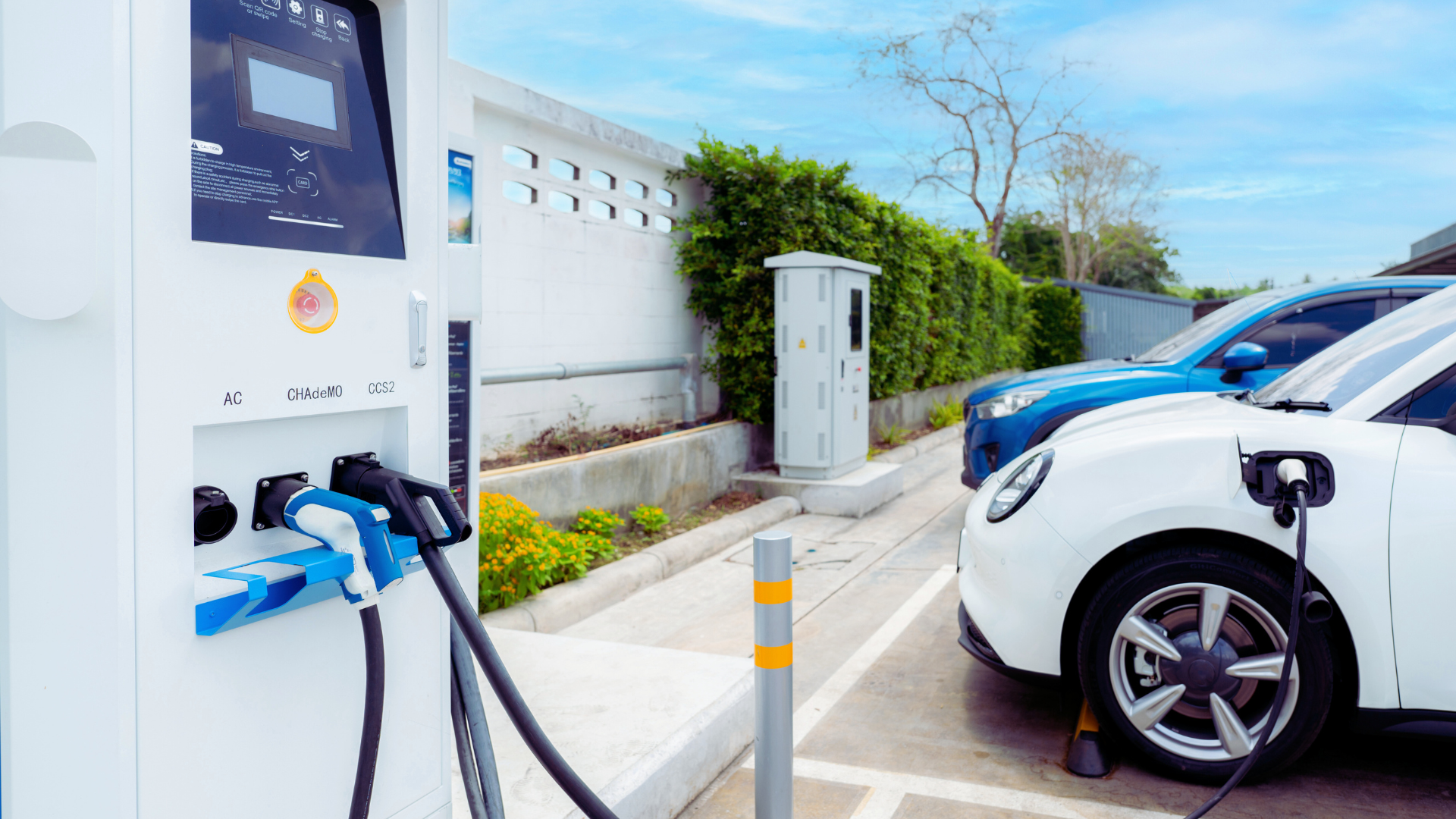
Infrastructure improvements such as electric charging networks and hydrogen refuelling stations are expanding. These developments support more widespread use of alternative fuel vehicles and reduce dependency on traditional fuels.
Societal and Industry Adaptation
Widespread adoption of fuel-efficient technologies depends on societal acceptance and industry readiness. Consumer demand is shifting towards cleaner, more economical vehicles, influencing manufacturers’ priorities.
Government policies, including incentives and stricter emissions standards, accelerate this transition. Urban planning is also evolving to accommodate electric and hydrogen vehicles with better public transport integration.
Industries, particularly logistics and manufacturing, adopt efficiency measures not only to cut fuel costs but to meet regulatory pressures. Training and workforce development are essential to handle new technologies safely and effectively.