
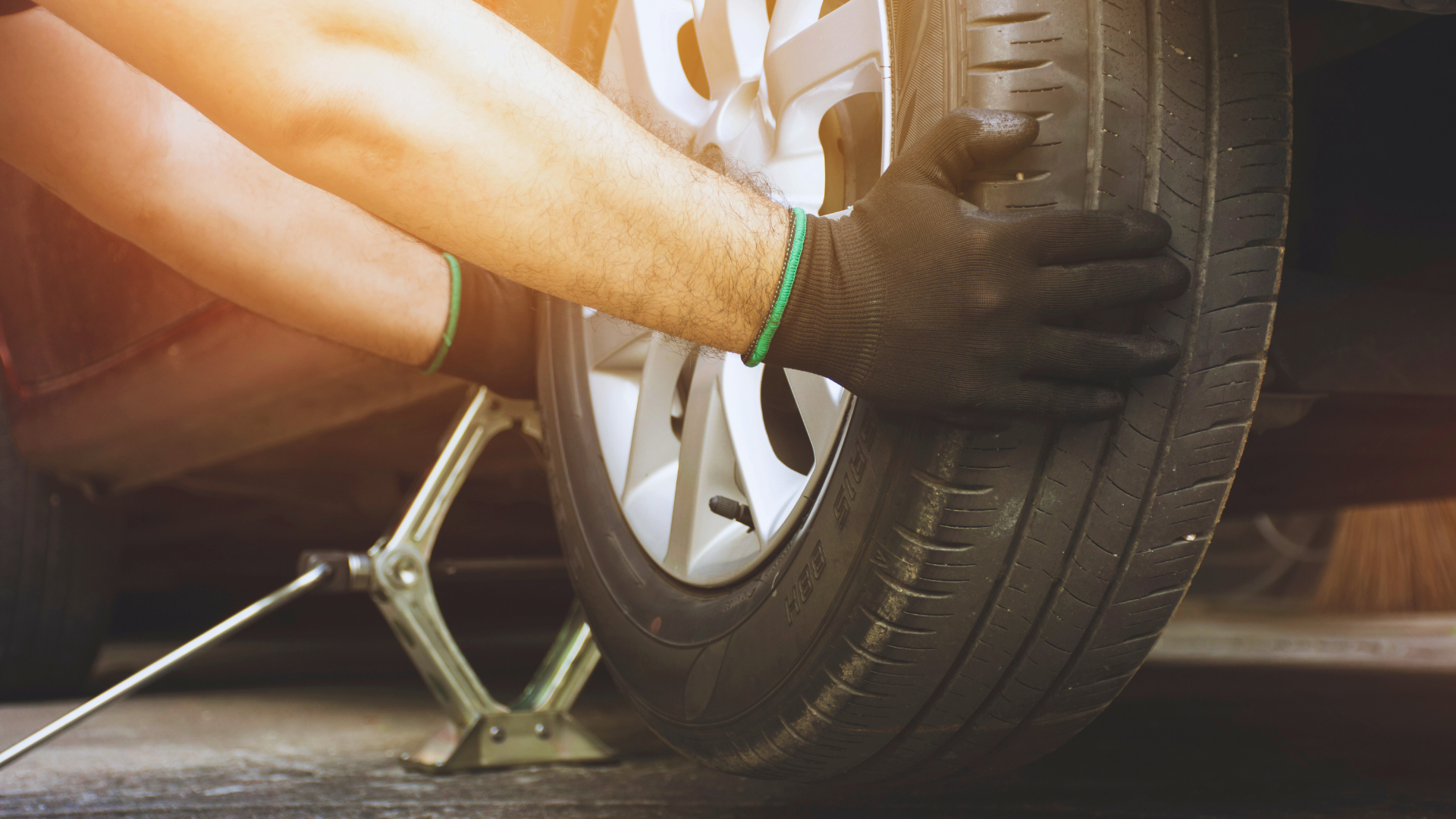
Choosing the right tyres directly affects how a vehicle handles, brakes, and performs in different conditions. The right set of tyres improves safety, fuel efficiency, and overall driving comfort.
Many drivers underestimate the impact tyres have on their daily drive, but selecting tyres suited to their needs and environment can make a significant difference. Whether it’s wet roads, dry highways, or uneven terrain, the correct tyres provide better grip and stability.
Tyres are not just a routine purchase; they are a crucial part of the vehicle’s performance system. Understanding what to look for can help anyone make a more informed decision and enjoy a smoother, safer journey.
How the Right Tyres Transform Your Driving Experience
Selecting the correct tyres affects several critical aspects of driving. It influences how the vehicle handles, the level of comfort, and the ongoing costs related to fuel and maintenance. Properly matched tyres provide measurable benefits in safety, performance, and economy.
Enhanced Safety and Road Grip
The right tyres improve grip by matching the tread pattern and rubber compound to the typical road and weather conditions. This reduces the risk of skidding and hydroplaning, especially on wet or slippery surfaces. Good tread depth and the correct tyre type maintain consistent contact with the road, which increases braking efficiency and overall control.
Tyre safety also depends on selecting tyres rated for the vehicle’s weight and speed. Overloading or using tyres with inadequate speed ratings can cause blowouts or rapid wear. Regularly checking tyre pressures and tread wear is essential for maintaining optimal grip and preventing accidents.
Improved Performance and Comfort
Tyres designed for specific driving needs enhance acceleration, cornering, and braking. For example, high-performance tyres offer better responsiveness and stability at higher speeds. Touring tyres focus more on durability and a smooth ride, reducing road noise and vibrations.
Comfort is directly linked to the tyre’s ability to absorb shocks from road irregularities. The right tyre construction, sidewall flexibility, and tread design minimise harsh impacts and provide a quieter cabin experience. This makes longer journeys less tiring and more enjoyable.
Fuel Efficiency and Cost Savings
Tyres with low rolling resistance reduce energy loss when the car moves forward. This means the engine uses less fuel to maintain speed, leading to measurable improvements in fuel efficiency. Selecting tyres marked with fuel economy ratings helps drivers choose options that save on fuel costs over time.
Properly inflated and well-maintained tyres also decrease wear on the vehicle, cutting down on maintenance expenses. Although high-quality tyres might have a higher initial cost, their longer lifespan and contribution to better fuel consumption often result in overall savings.
Key Considerations When Choosing Tyres
Selecting the right tyres requires attention to specific details like size, driving patterns, and technical ratings. These factors determine compatibility, safety, and performance on the road. Understanding each element helps avoid mistakes and ensures a better driving experience.
Understanding Tyre Size and Specifications
Tyre size is indicated by a code such as 195/65 R15, which represents important dimensions and construction. The first number, 195, is the tyre width in millimetres. The second number, 65, is the aspect ratio, meaning the tyre’s height is 65% of its width. The letter R means radial construction, the most common today. Finally, 15 is the wheel diameter in inches, the size of the rim the tyre fits.
Choosing the correct size ensures the tyre fits the vehicle properly and maintains handling and safety standards. Using an incorrect tyre size can cause inaccurate speedometer readings, poor fuel economy, and reduced stability.
Matching Tyres to Driving Needs and Habits
Tyre choice must align with the driver’s conditions and style. Those driving primarily in urban settings may prioritise low rolling resistance for fuel efficiency. Drivers covering long highway distances often seek durability and comfort.
Off-road or winter driving demands tyres with deeper treads and specialised rubber compounds. A daily driver facing mixed weather will benefit from all-season tyres, while sportier driving could require performance tyres for better grip.
Understanding driving habits avoids unnecessary wear and ensures the tyres perform optimally under typical conditions.
Load Index, Speed Rating, and Load Rating
The load index shows the maximum weight a tyre can carry, critical for vehicle safety. For example, a load index of 91 means the tyre supports up to 615 kg. It must match or exceed the vehicle manufacturer’s recommendation.
The speed rating indicates the maximum safe speed the tyre can handle at full load. Common ratings include S (112 mph), T (118 mph), and H (130 mph). Selecting tyres with an inadequate speed rating risks premature wear and unsafe driving.
The load rating combines these factors and is integral to meeting the vehicle’s specifications. Choosing tyres that meet these metrics ensures compliance with regulations and maintains optimal performance.
Tyre Types and Their Impact on Your Drive
Choosing the right type of tyre affects handling, grip, and safety. Different tyre compounds and designs suit specific weather and road conditions, directly influencing ride comfort and control.
All-Season Tyres Versus Weather-Specific Tyres
All-season tyres offer a balance for mild climates, providing moderate performance in dry, wet, and light snow conditions. Their tread compounds are designed to remain flexible across a range of temperatures but may wear faster in extreme heat or cold.
Weather-specific tyres, like summer or winter types, focus on optimising performance in particular conditions. While all-season tyres simplify maintenance by eliminating seasonal changes, they cannot match the specialised grip or safety features of dedicated summer or winter tyres.
Summer Tyres: Performance in Warm Conditions
Summer tyres use hard rubber compounds tailored for temperatures above 7°C. This makes them ideal for dry or wet roads during warmer months, offering superior cornering, braking, and fuel efficiency compared to all-season alternatives.
The tread patterns on summer tyres typically have fewer grooves, enhancing contact with the road surface. They also resist hydroplaning better in rainfall, making them reliable for performance driving in consistent warm weather.
Winter Tyres: Safety in Cold Climates
Winter tyres are made from softer compounds that remain pliable below 7°C, enhancing grip on cold, snowy, or icy surfaces. Their deep treads and numerous sipes improve traction by channelling slush and water away from the tyre surface.
Using winter tyres in cold conditions reduces braking distances significantly compared to all-season or summer tyres. They are essential for drivers who experience regular snow or freezing temperatures, offering increased safety and stability when roads are hazardous.
Other Critical Factors: Budget, Quality and Fitting
Choosing tyres involves balancing cost, performance, and safety. The right decision depends on the budget available, the tyre’s build quality, and proper fitting. Each aspect affects how the vehicle responds to different road conditions and the longevity of the tyres.
Choosing Between Budget and Premium Tyres
Budget tyres often appeal for their lower price but may compromise on materials and technology that enhance grip, wear resistance, and fuel efficiency. Premium tyres usually incorporate advanced compounds and design features, providing better wet and dry traction, longer lifespan, and improved handling.
Drivers should consider their typical driving environment and distance to justify the expense. For frequent or high-speed driving, premium tyres tend to offer a better return on investment through safety and durability. Budget tyres might suffice for limited use or low-speed urban travel, but may wear faster and reduce performance over time.
The Importance of Tread Pattern
Tread patterns directly influence how a tyre handles water, snow, and different surfaces. Asymmetric and directional tread designs improve traction and reduce hydroplaning by efficiently channelling water away from the contact patch.
Choosing the correct tread pattern depends on driving habits and weather conditions. For wet or wintery climates, deeper grooves and specialised sipes increase grip. Performance tyres often use patterns optimised for grip and cornering, while all-season tyres balance wear and versatility. Ignoring tread pattern suitability can reduce safety and efficiency.
Professional Tyre Fitting and Maintenance
Proper fitting ensures tyres sit correctly on the rim, preserving balance and preventing uneven wear. Professional fitting includes alignment checks that affect steering response and fuel economy. Incorrect fitting can cause vibrations, noise, and rapid tyre degradation.
Regular maintenance, like rotation and pressure checks, keeps tyres working as designed. Maintaining recommended pressures improves grip, reduces wear, and can help avoid blowouts. A professional fitter will also inspect tyres for damage or defects that may not be visible to the owner.