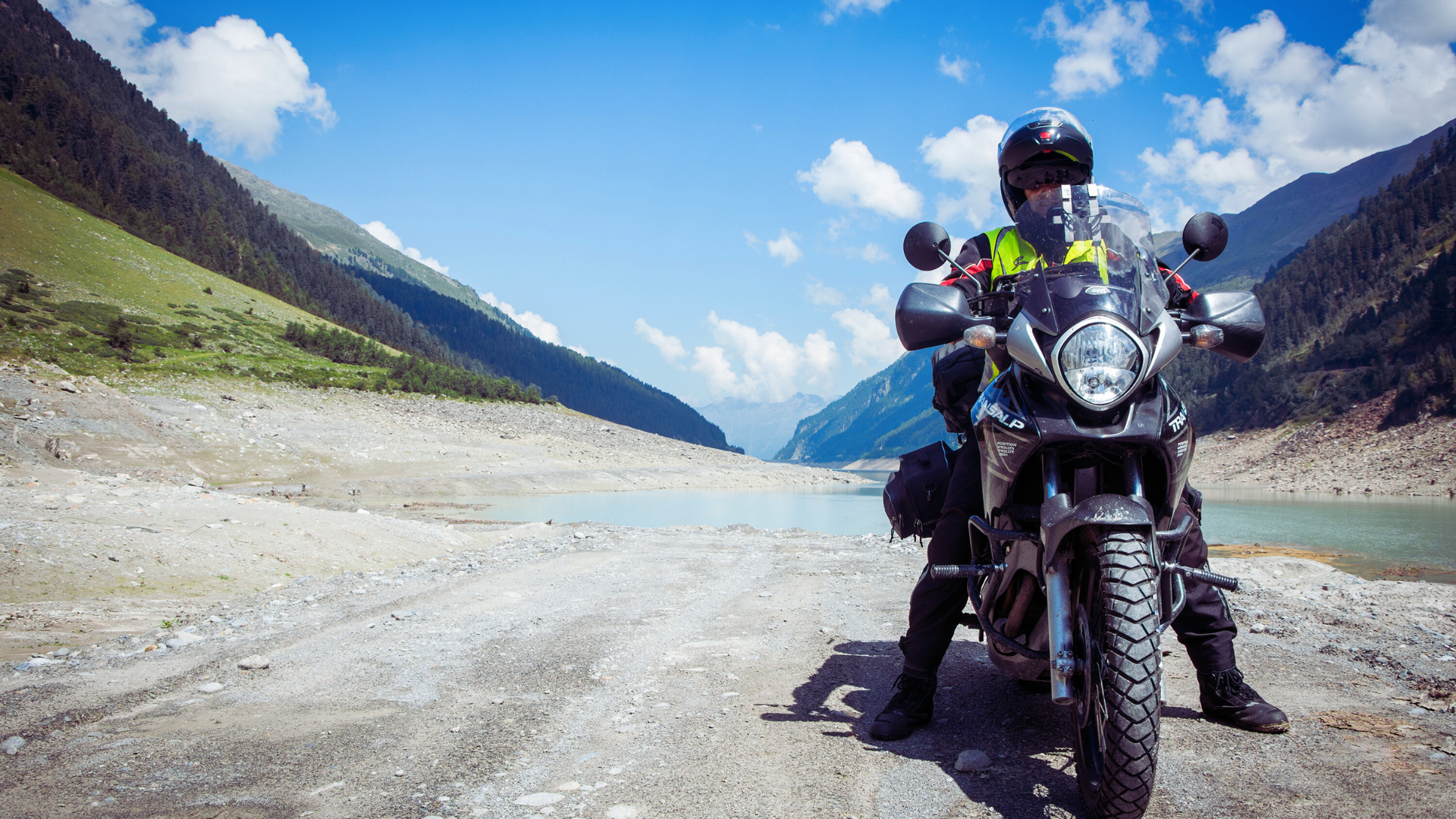
Motorbikes give riders a unique sense of freedom that differs from driving a car or using public transport. They allow a person to connect with the environment in a more direct and immediate way, feeling the wind, hearing the sounds, and experiencing the road’s conditions firsthand. This sensory engagement creates a deeper experience of travel.
The freedom motorbikes offer often comes from their ability to navigate spaces and routes that cars can’t, providing more control and flexibility on the road. Riders can easily explore less accessible areas and enjoy a sense of spontaneity that larger vehicles cannot provide.
Moreover, motorbiking reduces the barriers between rider and journey, encouraging a mindset focused on the moment rather than just the destination. This can make travel feel more personal and liberating compared to other forms of transport.
The Essence Of Freedom On Two Wheels
Motorbikes offer a unique sense of freedom that combines physical movement with mental clarity. For many, riding is a way to break from routine and connect deeply with the environment and self.
Why The Open Road Inspires Liberation
The open road represents limitless possibilities for riders. Without the barriers of a car cabin, riders feel the wind and hear the sounds around them, enhancing sensory awareness. This raw connection to surroundings fuels a sense of liberation.
Changing landscapes and uninterrupted stretches of highway encourage focus and presence. The vastness of the open road also diminishes daily constraints, making time seem more flexible. This amplifies the feeling of personal freedom unique to motorcycle journeys.
The Role Of Motivation In The Riding Experience
Motivation in motorbiking often stems from a desire for challenge and adventure. Riders actively seek new routes, weather conditions, and rides that test their skills. This purposeful engagement keeps the experience fresh and fulfilling.
Beyond escape, motivation can be about self-improvement or mindfulness. The focus needed to operate a motorcycle demands clear attention, which can be therapeutic and mentally freeing. Motivation pushes riders to maintain and develop their riding abilities, further deepening their connection with the activity.
Individuality And Authenticity In Motorcycle Culture
Motorcycle culture values personal expression and authenticity. Riders customise bikes and gear to reflect individual identity, setting themselves apart from mainstream transport users. This differentiation is a key part of the freedom the culture promotes.
Furthermore, the sense of community among riders supports individuality rather than conformity. Shared values around independence and self-reliance foster environments where freedom means being true to oneself. This culture amplifies the personal meaning found in the act of riding.
Unique Perspectives: Motorcyclists And Their Journeys
Riding a motorcycle changes the way a person experiences the world. Every trip invites focus, reflection, and emotional shifts that shape a rider’s mindset and outlook.
The Philosophy Of Living In The Moment
Motorcyclists often embrace a mindset rooted in immediate awareness. The act of riding demands attention to balance, speed, road conditions, and surrounding traffic. This level of focus reduces distractions, anchoring the rider firmly in the present.
Through this attentiveness, riders develop a habit of living in the moment. It is not just about reaching a destination but fully experiencing the journey. This philosophy contrasts with daily routines that pull attention in multiple directions. The motorcycle becomes a tool to cultivate mindfulness naturally by requiring active engagement.
Self-Discovery And Personal Growth
For many, riding a motorcycle triggers self-exploration. Facing challenges such as variable weather, traffic, and terrain tests resilience and adaptability. These experiences can strengthen confidence and decision-making skills.
The solo nature of many motorbike journeys encourages introspection. Time spent alone, often on open roads, helps riders confront personal thoughts and emotions without external influence. This personal space fosters growth, allowing riders to better understand their motivations and priorities.
Riders often report increased independence and a clearer sense of identity linked to their experiences on the road. Each journey becomes a chapter in personal development.
Therapeutic Benefits Of The Ride
Riding a motorcycle offers mental health benefits known to many enthusiasts. The combination of fresh air, physical activity, and rhythmic engine noise can lower stress levels. Engaging multiple senses creates a calming effect on the mind.
The sense of control riders feel during a ride contributes to improved mood and reduced anxiety. Some use motorbiking as a method to break free from daily pressures and mental fatigue, experiencing relief through the ride.
Additionally, the social connections formed with other riders provide emotional support. Group rides and communities offer a shared understanding that enhances well-being and motivation to continue riding.
Community And Camaraderie Among Riders
Riders often find more than transportation on their motorbikes; they discover a network of relationships built around shared values and experiences. This sense of belonging emerges from common interests, mutual respect, and acceptance within the riding community.
Building Connections Through Shared Experience
Motorcyclists bond easily over the unique challenges of riding, such as navigating weather, traffic, and mechanical issues. These shared experiences create an immediate topic of conversation and trust. Group rides, events, and meet-ups deepen these connections by allowing riders to experience freedom and adventure together.
Such connections often extend beyond riding days. Riders support each other by exchanging tips on maintenance and safety or offering assistance on the road. This dynamic builds strong, long-lasting relationships based on practical knowledge and camaraderie.
Mutual Respect And Support
Respect is a fundamental principle among motorcyclists. Each rider understands the risks involved, so they respect others’ skills and decisions on the road. This leads to a supportive environment where riders look out for each other, whether in traffic or at social events.
Support also includes sharing advice and encouragement, especially for newer riders. Experienced motorcyclists often mentor beginners, promoting safety and confidence. This ethos reinforces trust and keeps the riding community united.
Inclusivity And Acceptance In The Biker Community
The motorcycling community is notable for its inclusivity regardless of age, gender, or background. Riders often unite around their passion, putting differences aside. This openness helps newcomers feel welcome and valued.
Many clubs and groups actively encourage diversity, understanding that broad participation strengthens the community. The acceptance found among riders contributes to a positive, welcoming atmosphere that sets motorcycling apart from many other interest groups.
Balancing Freedom With Responsibility
Riding a motorbike demands a careful balance between enjoying the independence it offers and managing safety and social factors. This balance involves understanding the risks, practising awareness, and navigating public perceptions.
Motorcycle Safety And Awareness
Motorcycle safety is essential to responsible riding. Riders must wear protective gear, including helmets, gloves, and jackets with armour, to reduce injury risk. Regular checks of brakes, tyres, and lights are crucial before every ride.
Awareness on the road is critical. Motorcyclists need to anticipate other drivers’ actions and maintain visibility by riding in positions where they are easily seen. Defensive riding techniques help minimise risks from unpredictable traffic.
Training and continuous skill development improve a rider’s ability to handle diverse road conditions. Understanding how to react to hazards is as important as enjoying the ride itself.
Navigating Risks And Challenges
Riding a motorcycle inherently involves a higher risk than driving a car. Vulnerability in crashes and exposure to weather require constant vigilance. Riders must adjust speed, distance, and positioning to suit road conditions and traffic flow.
Managing these risks means respecting speed limits and staying sober. Fatigue and distractions severely undermine safety. Riders should avoid high-risk scenarios like heavy rain or night riding if inadequate experience or equipment is available.
Awareness of one’s limits and regular training bolster the ability to handle emergencies. Most accidents happen due to misjudgments or a lack of anticipation, so proactive risk management is vital.
The Impact Of Societal Perceptions
Motorcyclists sometimes face negative stereotypes that label them as reckless or disruptive. These perceptions affect how other road users treat riders and can influence legal regulations.
Earning respect through consistent safe riding helps counter such biases. Demonstrating responsibility improves interactions with other drivers and pedestrians. Public campaigns and rider education also work to change misconceptions.
Legal compliance and courteous behaviour reinforce a positive image. Respect from both riders and the community supports safer roads and wider acceptance of motorcycling as a legitimate mode of transport.