

Month: October 2020

  • 3 Motorcycle Maintenance Tips

    3 Motorcycle Maintenance Tips

    When you are caring for your motorcycle, a little do-it-yourself elbow grease can save you a bunch of money and help keep you safe but also empower you, especially if you own a machine like mine (check the post image!). Many of my friends who own motorcycles have said that they like knowing they are the caretaker of their own machines. They gain a sense of confidence knowing that their motorcycle is in good shape. It can also help to avoid accidents on the road (but check out this link just in case you are involved in an accident). Because of the benefits involved in regular maintenace, I am going to give you 3 motorcycle tips you can do yourself.
    Change Oil

    To keep your engine running properly, you will need to change the oil after several thousand miles, double-check the owner’s manual if you are not sure how often you should change it. To begin, you will want to ride the bike a little first to warm it. This will make the oil less viscous.

    With the engine off and the bike standing upright, remove the drain plug as well as the oil fill plug, letting the oil runoff into a drain pan. (You may need to remove some fairing to reach the drain plug, your mileage may vary.) Also, take out the oil filter. Be careful, this can get messy! Try covering the engine and/or exhaust section with aluminium foil to protect against drippage.) Once the oil is drained, install a new oil filter, put back any bits and bobs you might have previously removed, and refill using a funnel to avoid spillage. Replace the oil fill cap and recycle the used oil at a bike shop or municipal facility.

    Replace the Air Filter

    If your motorcycle’s air filter, which works to keep your engine clean of debris, is full of dirt, your bike will suffer because of it. Swapping an air filter is not a difficult task, but it can be a time-consuming one. So, make sure you set aside the right amount of time to get it done properly. Sometimes the air filter is easily accessible, but you may have to remove the gas tank and other parts to get at it. Once you get into the airbox, take out and replace the air filter. Then reinstall anything you removed.

    Maintain Tire Pressure and Tread

    To check a tire’s pressure, find the valve stem on the inside of the wheel, remove the cap, and press an air pressure gauge onto the valve stem. Compare the pressure with what it should be, that information will be written on the side of the tire. Use an air compressor, you can find these at most gas stations, to fill the tire to the correct number of pounds per square inch (PSI).

    Let out some air if you over-inflate. Do not forget to replace the valve stem cap when you are done. To see how your tread is doing, check the tire’s wear indicator, it is a little rubber knob that resides in the grooves of the tire. If the knob is at the same level as the rubber that meets the road, then you need to replace that tire. A professional mechanic should be your next stop with your motorcycle. In cases where poor tire maintenance leads to an incident, consulting a Motorcycle Accident Lawyer could help you understand your legal options and rights.

    To conclude, all motorcycle owners, including myself, love the freedom our bikes give us – so why not treat them right with some immediate TLC. Changing the oil, replacing the air filter, and maintaining tire pressure are some of the easier DIY things you can do for your motorbike. If you take care of your bike and read your manuals to make sure you are doing it correctly, your bike will last a lot longer than it would otherwise. Giving you plenty more road trips ahead of you.

  • How to Tow a Caravan

    How to Tow a Caravan

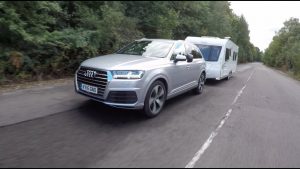
    You have planned a wonderful local holiday and you want to stay in a caravan. It can initially be a daunting task, towing a caravan, but with the right training and understanding you can do it safely. To help you achieve this, I am going to tell you how to tow a caravan.

    Before getting Behind the Wheel: Correct Licence

    Your ability to legally tow a caravan or trailer will depend on the driving licence you have, while the category entitlement on your driving licence will determine the type of trailer you can tow. It is critical you are fully covered by your driving licence for towing your caravan, as it is against the law and your caravan insurance will not be valid if you try to claim on it.

    If you passed your driving test before the end of 1996, then you will train your entitlement to drive a vehicle and trailer combination of up to 8,250 kg MAM (Maximum Authorised Mass), until that licence expires. On your 70th birthday the rules change a bit if you want to keep towing. Do your research if you find yourself towing at 70 years or older.

    To be able to legally tow a heavier caravan, you will need to pass an additional driving test to gain the B+E classification, allowing you to drive a combination with a combined maximum mass of 7,000kg. For more information, check out the DVSA’s website.

    Beyond the legal and practical aspects of towing, selecting the right caravan is a significant decision that impacts your entire caravanning experience. Whether you’re a first-time buyer or looking to upgrade, understanding the various types and sizes available is crucial for a comfortable journey. Many enthusiasts find that exploring options for used caravans for sale offers excellent value, allowing them to find a model perfectly suited to their needs and budget. Reputable dealers often provide comprehensive support, from expert advice on choosing the ideal layout to flexible financing and part-exchange services.

    On the Road

    When you are towing, you will need to give yourself more time and space for everything. It is best to brake earlier than normal and you will probably accelerate slower with a caravan on the back. The extra length of your outfit means you will need to take corners more widely than normal, so the caravan wheels do not clip the kerb or cut the corner or worse, your caravan hitting someone.

    Do not forget that the legal speed limits are often lower when you are towing. Do not exceed 50mph on single carriageways or 60mph on dual carriageways. You may not tow in the furthest right (‘outside’” lane of a three-or-more lane motorway unless instructed to do so.

    It is a legal requirement to always have a good view to the rear of your unit, which will mean using extension mirrors in the vast majority of situations. Do not forget to take them off when you are not towing. They can be a real issue for regular driving so try not to forget.

    Never carry passengers in the caravan when you are towing it. It is theoretically legal to transport animals inside a caravan, but I personally would not recommend it. It is not fun for the animal and you will likely have to clean up its mess left from the drive.

    The number plate on the back of your caravan must show your car’s registration number, conform to the relevant British Standard, and make sure it is illuminated at night. This means no DIY registration plates! Your rear light panel must always be working. Do not forget to check before driving off and keep an eye out for anything that changes during your journey.

    Your car must show that the indicators are working while you are driving. This might be done positively (by a special light flashing or a buzzer sounding when your indicators are on) or negatively (by giving a warning if a bulb fails).

    If you find traffic is building up behind you, pull over at a lay-by or other suitable place, when it is safe to do so, and let the other vehicle pass. Park carefully where you will not obstruct other drivers. Caravans must not be parked in meter bays.

    Breakdowns can still happen, so have a clear plan for getting help without putting yourself or other road users at risk. For very large units — such as motorhomes, horseboxes or caravans hitched to heavy vehicles — standard roadside cover may not be sufficient; specialist heavy-recovery teams are often required to recover and transport large trailers safely. For readers travelling in the Atlanta area, services like King’s Towing provide heavy-duty wreckers and experienced crews who handle RVs, buses and trucks with damage-minimising recovery techniques. Keeping the contact details of a capable recovery provider to hand can save time and reduce stress if you become stranded.

    In summary, driving with a caravan can be a lot of fun. It opens local holiday opportunities but also requires a sensible driver. There is no replace for risky driving when you are towing a caravan because you could do a lot of damage to other people. This is why the B+E classification is a requirement for driving one.

  • Petrol vs Diesel – Which Engine is Best?

    Petrol vs Diesel – Which Engine is Best?

    Choosing between a petrol or a diesel-powered car is one of the first things you need to think about when buying a new car. What is going to be the best for how you drive, for the environment and your wallet? Is getting a service on a petrol engine going to be much different to a diesel engine service? Because of this, I am going to give you some tips to help you decide between a petrol or diesel engine for your new car.

    Assessing your motoring needs

    From a financial angle, there is now less and less difference between petrol and diesel cars. It is still true that if you look at pure fuel running costs, a diesel will cost less. You will have to have high annual mileages and use motorways frequently to see the financial benefits.

    This is because newer diesel vehicles now have higher tax, which can cost almost as much as the fuel savings you could make in a year, and there are worries over air pollution that can be caused by diesels. Checking out car tax prices can help you understand if potential car purchases are affected by tax prices.

    It is also true that a diesel vehicle will typically cost more than the equivalent petrol car. Diesel fuel also costs more than petrol. So you will need to work out if this saving in fuel consumption will offset the extra expense of a diesel car and its running costs. For example, if you drive a diesel car more than 12,000 miles in a year, you could recoup a thousand dollars in a couple of years.

    But if your mileage is around 6,000 miles a year it could take up to around four years to see the same kind of financial benefit. With the new rules surrounding tax on diesel cars, and some cities due to increasing the penalties for diesel, resell values of diesels will probably be a bit lower, especially if you decide to change your car within the next 5 years.

    That means that if most of your journeys are local and your mileage is small, a small petrol car might make more financial sense. Especially if you are the kind of person who likes to drive a car until it dies. Also, keep in mind that newer types of diesel have a special filter fitted to help prevent pollution. It is called a diesel particulate filter or DPF. These can clog if the vehicle is not regularly used on a motorway and is costly to fix or replace. That said, you might be able to find some cheap car parts online uk or U.S if your DPF does need changing.
    In conclusion, if you do not use motorways regularly, a diesel might not be for you.

    Petrol Engines

    Pros of Petrol

    • Financially: petrol is cheaper than diesel fuel and the cars tend to be slightly cheaper to buy and service. This is because there are generally more petrol cars on the road, so it is easier to source parts for repairs and maintenance aiding to keep the prices down.
    • Environmental: While CO2 emissions are higher than diesel, petrol cars produce less dangerous emissions that are not CO2 bases, like nitrogen for instance.
    • Driving experience: Petrol engines are usually less noisy than their diesel counterparts.

    Cons of Petrol

    • Financial: Petrol engines are less efficient and use more fuel than diesel, especially at higher speeds on motorways.
    • Environmental: Petrol engines emit more CO2 than diesel cars.
    • Driving experience: Petrol engines need the driver to change gear more regularly, for example when overtaking, to make sure the engine has enough power to quickly and safely overtake. But this is a matter of personal taste, some prefer it.

    Diesel Engines

    Pros of Diesel

    • Financially: diesel engines are more efficient and use up to 20% less fuel suggesting cheaper running costs. The cars typically tend to have a slightly higher resale value as well, but this has been changing as of late.
    • Environment: lower CO2 emissions mean that diesel cars from before April 2017 gets a lower tax band than petrol engine cars and this could be determined based on the mileage of the vehicle (head to https://mileiq.com/blog-en-us/mileage-deduction to learn about mileage tax deduction). For newer diesel cars though, tax is typically higher than for petrol.
    • Driving experience: diesel cars offer more low-speed torque which means they have better overtaking power and fair better with towing-related tasks.

    Cons of Diesel

    • Financial: diesel cars usually cost more than petrol. Diesel fuel is more expensive than petrol and servicing or fixing a big issue in a diesel car can be a bit more expensive. New diesel cars also cost more to tax than petrol cars, and depreciation is now a little higher. There are several new charges, such as the London T-Charge and Ultra Low Emissions Zone, that will make it more expensive if you plan on driving in those areas.
    • Environmental: despite lower CO2 emissions, diesel fuel produces tiny particles linked to breathing disorders such as asthma.
    • Driving experience: diesel engines tend to be slightly noisier, but with newer models this issue is addressed.

    Conclusion

    To conclude, the choice comes down to what kind of journeys you will be regularly doing. If you are only doing short trips to the shop or supermarket, then a petrol engine makes perfect sense. On the other hand, if you are driving on motorways the whole time you will see savings with a diesel car.