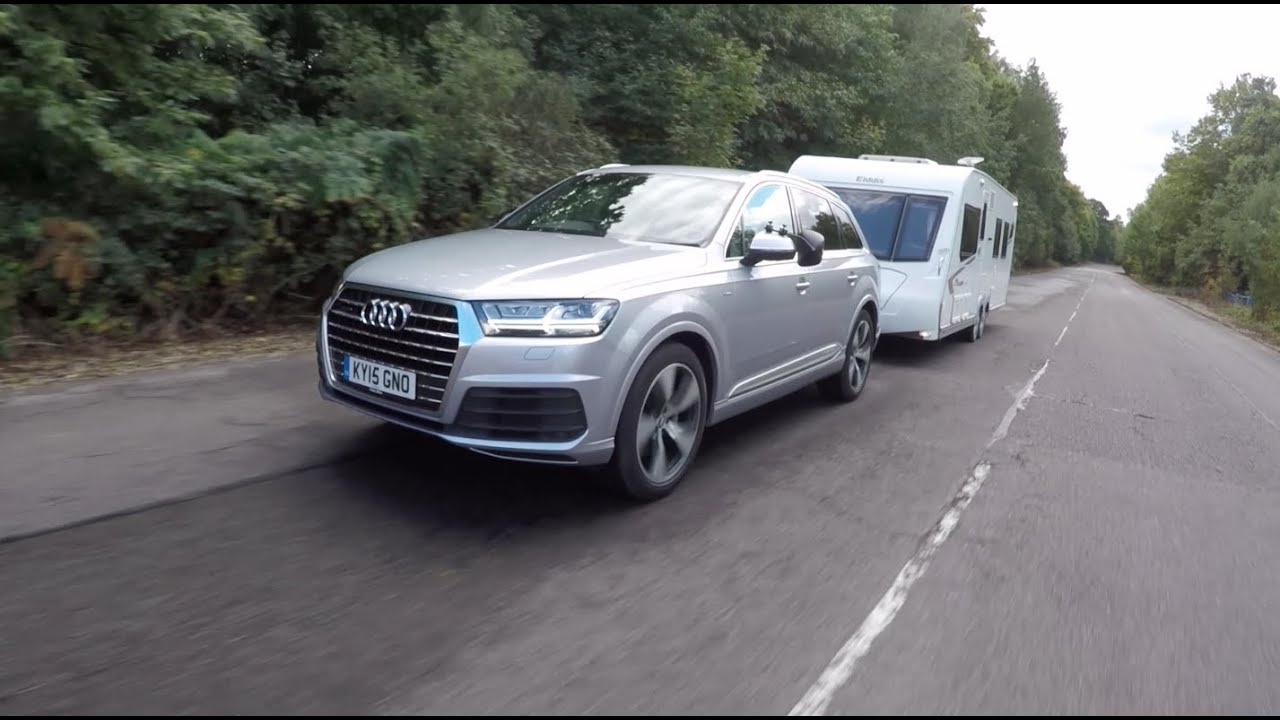
You have planned a wonderful local holiday and you want to stay in a caravan. It can initially be a daunting task, towing a caravan, but with the right training and understanding you can do it safely. To help you achieve this, I am going to tell you how to tow a caravan.
Before getting Behind the Wheel: Correct Licence
Your ability to legally tow a caravan or trailer will depend on the driving licence you have, while the category entitlement on your driving licence will determine the type of trailer you can tow. It is critical you are fully covered by your driving licence for towing your caravan, as it is against the law and your caravan insurance will not be valid if you try to claim on it.
If you passed your driving test before the end of 1996, then you will train your entitlement to drive a vehicle and trailer combination of up to 8,250 kg MAM (Maximum Authorised Mass), until that licence expires. On your 70th birthday the rules change a bit if you want to keep towing. Do your research if you find yourself towing at 70 years or older.
To be able to legally tow a heavier caravan, you will need to pass an additional driving test to gain the B+E classification, allowing you to drive a combination with a combined maximum mass of 7,000kg. For more information, check out the DVSA’s website.
Beyond the legal and practical aspects of towing, selecting the right caravan is a significant decision that impacts your entire caravanning experience. Whether you’re a first-time buyer or looking to upgrade, understanding the various types and sizes available is crucial for a comfortable journey. Many enthusiasts find that exploring options for used caravans for sale offers excellent value, allowing them to find a model perfectly suited to their needs and budget. Reputable dealers often provide comprehensive support, from expert advice on choosing the ideal layout to flexible financing and part-exchange services.
On the Road
When you are towing, you will need to give yourself more time and space for everything. It is best to brake earlier than normal and you will probably accelerate slower with a caravan on the back. The extra length of your outfit means you will need to take corners more widely than normal, so the caravan wheels do not clip the kerb or cut the corner or worse, your caravan hitting someone.
Do not forget that the legal speed limits are often lower when you are towing. Do not exceed 50mph on single carriageways or 60mph on dual carriageways. You may not tow in the furthest right (‘outside’” lane of a three-or-more lane motorway unless instructed to do so.
It is a legal requirement to always have a good view to the rear of your unit, which will mean using extension mirrors in the vast majority of situations. Do not forget to take them off when you are not towing. They can be a real issue for regular driving so try not to forget.
Never carry passengers in the caravan when you are towing it. It is theoretically legal to transport animals inside a caravan, but I personally would not recommend it. It is not fun for the animal and you will likely have to clean up its mess left from the drive.
The number plate on the back of your caravan must show your car’s registration number, conform to the relevant British Standard, and make sure it is illuminated at night. This means no DIY registration plates! Your rear light panel must always be working. Do not forget to check before driving off and keep an eye out for anything that changes during your journey.
Your car must show that the indicators are working while you are driving. This might be done positively (by a special light flashing or a buzzer sounding when your indicators are on) or negatively (by giving a warning if a bulb fails).
If you find traffic is building up behind you, pull over at a lay-by or other suitable place, when it is safe to do so, and let the other vehicle pass. Park carefully where you will not obstruct other drivers. Caravans must not be parked in meter bays.
Breakdowns can still happen, so have a clear plan for getting help without putting yourself or other road users at risk. For very large units — such as motorhomes, horseboxes or caravans hitched to heavy vehicles — standard roadside cover may not be sufficient; specialist heavy-recovery teams are often required to recover and transport large trailers safely. For readers travelling in the Atlanta area, services like King’s Towing provide heavy-duty wreckers and experienced crews who handle RVs, buses and trucks with damage-minimising recovery techniques. Keeping the contact details of a capable recovery provider to hand can save time and reduce stress if you become stranded.
In summary, driving with a caravan can be a lot of fun. It opens local holiday opportunities but also requires a sensible driver. There is no replace for risky driving when you are towing a caravan because you could do a lot of damage to other people. This is why the B+E classification is a requirement for driving one.