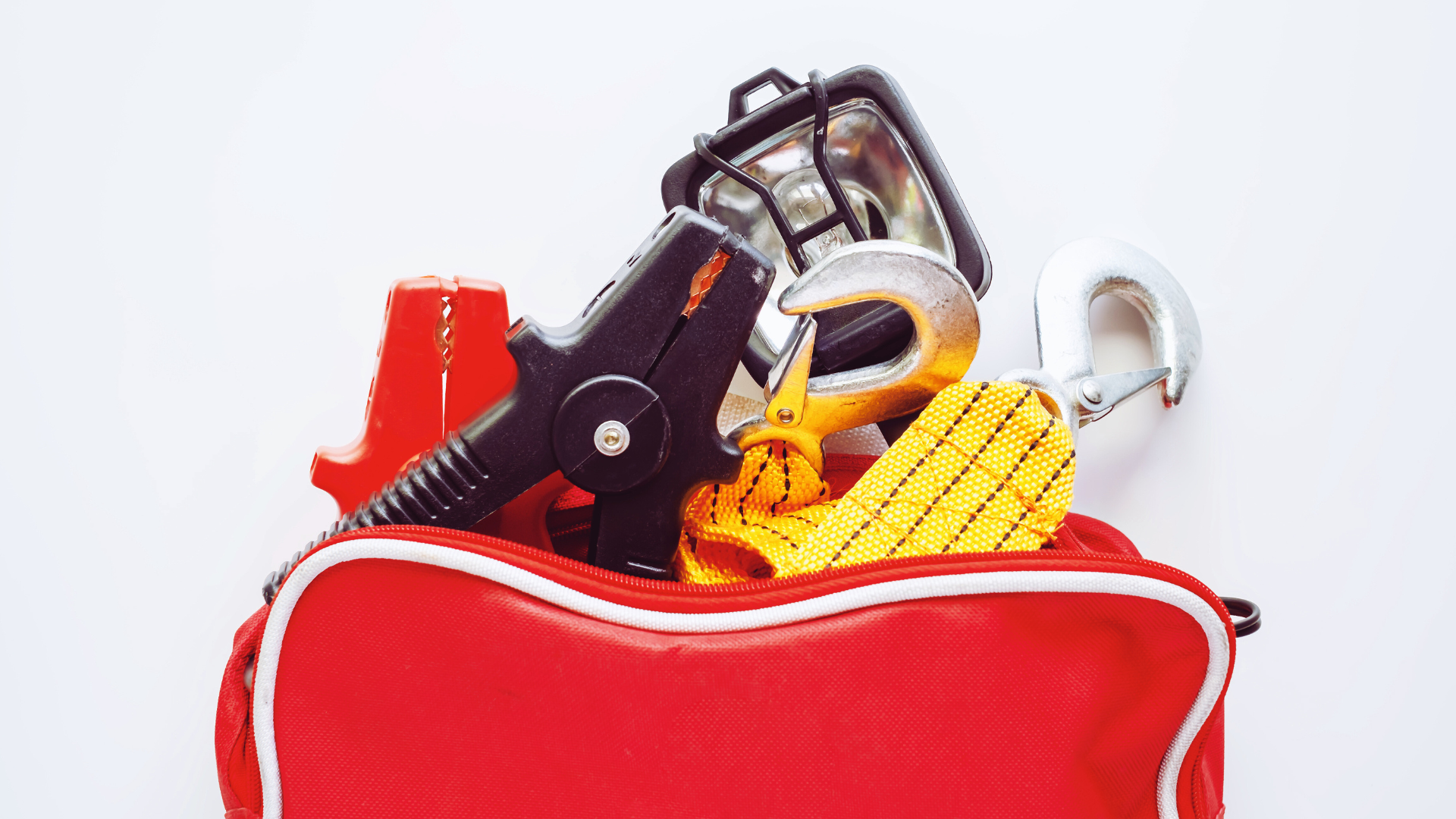
When preparing for a journey, having a well-stocked emergency car kit can make a significant difference in unexpected situations. The must-have items for every emergency car kit include essentials for safety, basic repairs, and first aid, ensuring drivers are ready for common roadside issues.
An effective kit typically contains a flashlight, spare batteries, jumper cables, a first aid kit, and basic tools. These items help address simple breakdowns and minor injuries, enabling drivers to stay safe until professional help arrives.
Aside from practical tools, including items like water, non-perishable snacks, and a reflective warning triangle, increases readiness for longer delays. Being prepared with the right kit not only provides peace of mind but can also prevent small problems from becoming severe.
Essential Emergency Car Kit Items
A well-prepared car emergency kit includes items to manage injuries, increase visibility, fix common mechanical issues, and maintain power and communication. Each category serves a distinct purpose, ensuring safety and functionality during roadside emergencies.
First Aid Kit and Supplies
The first aid kit should contain bandages, antiseptic wipes, adhesive tape, sterile gauze pads, and antiseptic ointments. Essential tools include scissors, tweezers, and disposable gloves. It is important to have pain relief medication and a cold pack for injuries.
Items must be replenished regularly and stored in a waterproof bag. A detailed first aid manual or instructions can aid in proper treatment. This kit is critical for treating minor injuries immediately after an accident or while waiting for professional help.
Visibility and Warning Devices
Visibility items include reflective triangles, warning triangles, and road flares. These devices alert other drivers to your presence, especially in low-light or poor weather conditions.
A reflective safety vest is vital for the person exiting the vehicle to wear, making them more visible to oncoming traffic. Blinkers, hazard lights, and a strong, reliable flashlight with spare batteries or a headlamp should be included to signal for help or navigate dark surroundings.
Vehicle Recovery and Repair Essentials
Key recovery tools are jumper cables or a portable jump starter for battery failures. A multi-tool supports various quick fixes, while a basic tire repair kit helps address punctures.
A spare tyre and tyre pressure gauge ensure the driver can replace or inflate an underinflated or flat tyre. Compact, user-friendly equipment is preferable for effective roadside repairs without requiring specialist knowledge or additional help.
Power and Communication Tools
A car charger or power bank with multiple USB ports is essential for keeping phones and devices operational. Portable jump starters often include built-in power banks to recharge mobile devices and run emergency equipment.
Maintaining communication during an emergency can save time and facilitate assistance. Therefore, chargers compatible with different devices and extra batteries for flashlights enhance preparedness. These tools support staying connected and powered even during a prolonged roadside wait.
Survival and Comfort Items for All Conditions
A well-prepared car kit includes items that provide warmth, protection from the weather, hydration, and nutrition. These essentials help travellers endure unexpected delays or harsh conditions safely.
Warmth and Weather Protection
A thermal blanket is a crucial item for retaining body heat in cold conditions. It is lightweight and compact, making it easy to store in a car. Additionally, wool or fleece blankets offer extra comfort and warmth.
Hand warmers are effective for preventing frostbite and maintaining circulation. Including a rain poncho in the kit protects against wet weather, ensuring the user stays dry. Warm clothing such as hats, gloves, and insulated jackets should also be considered depending on the climate of the area.
Hydration and Emergency Food
Storing bottled water or reusable water containers is vital to maintain hydration during emergencies. Each person should have access to at least one litre of drinking water per day.
Non-perishable emergency food items such as energy bars, dried fruits, and canned goods provide necessary calories without refrigeration. These items should be replaced regularly to ensure freshness. Portable, compact packaging is preferred for ease of storage and use.
Additional Tools and Safety Equipment
A comprehensive emergency car kit includes tools that address specific hazards and extend beyond basic repairs. Items that improve safety, fire management, and multi-purpose use are essential for dealing with unexpected situations efficiently.
Fire and Hazard Management
A compact fire extinguisher rated for automotive use is crucial. It allows the driver to tackle small fires caused by fuel or electrical faults before they spread. Proper placement within reach ensures quick access during emergencies.
Work gloves protect hands from burns, cuts, or chemicals while handling debris or car parts. Duct tape serves as a temporary fix for hoses, windows, or broken mirrors, reducing hazards until professional help arrives.
To manage slippery conditions or help with vehicles stuck in mud or snow, a shovel and a bag of sand provide traction and support. They can also help remove debris from around the wheels. A whistle can signal for help when mobile signals are weak.
Multi-purpose Essentials
Spare bulbs for headlights and indicators allow immediate replacement to maintain visibility and legal compliance at night. Insect repellent prevents bites when stranded in rural or wooded areas, which can cause discomfort or distraction.
A small supply of pain relievers and hand sanitiser improves comfort and hygiene during long waits or minor injuries. Modern GPS devices or apps ensure accurate navigation and location sharing, vital when stranded.
A well-packed vehicle survival kit or bug-out bag can include water, food, blankets, and first aid supplies. These supplement other tools for prolonged emergencies, increasing safety and readiness on the road.
Maintaining and Organising Your Emergency Car Kit
A well-maintained and organised emergency car kit ensures readiness when roadside assistance is needed. Regular attention to the kit’s contents and smart storage solutions will keep items accessible and effective during an emergency.
Regular Checks and Replenishment
He or she should check the kit every three months to confirm all items are intact and in working order. Batteries in torches and portable chargers need testing and replacing if weak. Non-perishable food and water supplies must be within their use-by date and replenished as necessary.
Check each tool for damage; broken items reduce emergency preparedness. Replace used or expired medical supplies immediately. Seasonal adjustments are important; for example, adding blankets in winter or extra water in summer. Keeping a checklist inside the kit can help track these regular inspections efficiently.
Efficient Storage Solutions
Storing the emergency kit in a durable, waterproof container protects it from dirt and moisture. He or she should place the kit somewhere easily reachable, like the boot, not piled under heavy luggage. Using compartmentalised bags or organisers helps keep small items visible and quickly accessible.
Labelling sections for medical supplies, tools, and food supports a faster response during an incident. Velcro straps or elastic bands can secure loose items, preventing damage or loss. An orderly kit saves crucial time in roadside assistance situations by minimising the effort to find necessary equipment.
Leave a Reply