
Month: March 2026

  • Why Motorbikes Offer a Different Kind of Freedom: Exploring the Unique Experience of Two-Wheeled Travel

    Why Motorbikes Offer a Different Kind of Freedom: Exploring the Unique Experience of Two-Wheeled Travel

    Motorbikes give riders a unique sense of freedom that differs from driving a car or using public transport. They allow a person to connect with the environment in a more direct and immediate way, feeling the wind, hearing the sounds, and experiencing the road’s conditions firsthand. This sensory engagement creates a deeper experience of travel.

    The freedom motorbikes offer often comes from their ability to navigate spaces and routes that cars can’t, providing more control and flexibility on the road. Riders can easily explore less accessible areas and enjoy a sense of spontaneity that larger vehicles cannot provide.

    Moreover, motorbiking reduces the barriers between rider and journey, encouraging a mindset focused on the moment rather than just the destination. This can make travel feel more personal and liberating compared to other forms of transport.

    The Essence Of Freedom On Two Wheels

    Motorbikes offer a unique sense of freedom that combines physical movement with mental clarity. For many, riding is a way to break from routine and connect deeply with the environment and self.

    Why The Open Road Inspires Liberation

    The open road represents limitless possibilities for riders. Without the barriers of a car cabin, riders feel the wind and hear the sounds around them, enhancing sensory awareness. This raw connection to surroundings fuels a sense of liberation.

    Changing landscapes and uninterrupted stretches of highway encourage focus and presence. The vastness of the open road also diminishes daily constraints, making time seem more flexible. This amplifies the feeling of personal freedom unique to motorcycle journeys.

    The Role Of Motivation In The Riding Experience

    Motivation in motorbiking often stems from a desire for challenge and adventure. Riders actively seek new routes, weather conditions, and rides that test their skills. This purposeful engagement keeps the experience fresh and fulfilling.

    Beyond escape, motivation can be about self-improvement or mindfulness. The focus needed to operate a motorcycle demands clear attention, which can be therapeutic and mentally freeing. Motivation pushes riders to maintain and develop their riding abilities, further deepening their connection with the activity.

    Individuality And Authenticity In Motorcycle Culture

    Motorcycle culture values personal expression and authenticity. Riders customise bikes and gear to reflect individual identity, setting themselves apart from mainstream transport users. This differentiation is a key part of the freedom the culture promotes.

    Furthermore, the sense of community among riders supports individuality rather than conformity. Shared values around independence and self-reliance foster environments where freedom means being true to oneself. This culture amplifies the personal meaning found in the act of riding.

    Unique Perspectives: Motorcyclists And Their Journeys

    Riding a motorcycle changes the way a person experiences the world. Every trip invites focus, reflection, and emotional shifts that shape a rider’s mindset and outlook.

    The Philosophy Of Living In The Moment

    Motorcyclists often embrace a mindset rooted in immediate awareness. The act of riding demands attention to balance, speed, road conditions, and surrounding traffic. This level of focus reduces distractions, anchoring the rider firmly in the present.

    Through this attentiveness, riders develop a habit of living in the moment. It is not just about reaching a destination but fully experiencing the journey. This philosophy contrasts with daily routines that pull attention in multiple directions. The motorcycle becomes a tool to cultivate mindfulness naturally by requiring active engagement.

    Self-Discovery And Personal Growth

    For many, riding a motorcycle triggers self-exploration. Facing challenges such as variable weather, traffic, and terrain tests resilience and adaptability. These experiences can strengthen confidence and decision-making skills.

    The solo nature of many motorbike journeys encourages introspection. Time spent alone, often on open roads, helps riders confront personal thoughts and emotions without external influence. This personal space fosters growth, allowing riders to better understand their motivations and priorities.

    Riders often report increased independence and a clearer sense of identity linked to their experiences on the road. Each journey becomes a chapter in personal development.

    Therapeutic Benefits Of The Ride

    Riding a motorcycle offers mental health benefits known to many enthusiasts. The combination of fresh air, physical activity, and rhythmic engine noise can lower stress levels. Engaging multiple senses creates a calming effect on the mind.

    The sense of control riders feel during a ride contributes to improved mood and reduced anxiety. Some use motorbiking as a method to break free from daily pressures and mental fatigue, experiencing relief through the ride.

    Additionally, the social connections formed with other riders provide emotional support. Group rides and communities offer a shared understanding that enhances well-being and motivation to continue riding.

    Community And Camaraderie Among Riders

    Riders often find more than transportation on their motorbikes; they discover a network of relationships built around shared values and experiences. This sense of belonging emerges from common interests, mutual respect, and acceptance within the riding community.

    Building Connections Through Shared Experience

    Motorcyclists bond easily over the unique challenges of riding, such as navigating weather, traffic, and mechanical issues. These shared experiences create an immediate topic of conversation and trust. Group rides, events, and meet-ups deepen these connections by allowing riders to experience freedom and adventure together.

    Such connections often extend beyond riding days. Riders support each other by exchanging tips on maintenance and safety or offering assistance on the road. This dynamic builds strong, long-lasting relationships based on practical knowledge and camaraderie.

    Mutual Respect And Support

    Respect is a fundamental principle among motorcyclists. Each rider understands the risks involved, so they respect others’ skills and decisions on the road. This leads to a supportive environment where riders look out for each other, whether in traffic or at social events.

    Support also includes sharing advice and encouragement, especially for newer riders. Experienced motorcyclists often mentor beginners, promoting safety and confidence. This ethos reinforces trust and keeps the riding community united.

    Inclusivity And Acceptance In The Biker Community

    The motorcycling community is notable for its inclusivity regardless of age, gender, or background. Riders often unite around their passion, putting differences aside. This openness helps newcomers feel welcome and valued.

    Many clubs and groups actively encourage diversity, understanding that broad participation strengthens the community. The acceptance found among riders contributes to a positive, welcoming atmosphere that sets motorcycling apart from many other interest groups.

    Balancing Freedom With Responsibility

    Riding a motorbike demands a careful balance between enjoying the independence it offers and managing safety and social factors. This balance involves understanding the risks, practising awareness, and navigating public perceptions.

    Motorcycle Safety And Awareness

    Motorcycle safety is essential to responsible riding. Riders must wear protective gear, including helmets, gloves, and jackets with armour, to reduce injury risk. Regular checks of brakes, tyres, and lights are crucial before every ride.

    Awareness on the road is critical. Motorcyclists need to anticipate other drivers’ actions and maintain visibility by riding in positions where they are easily seen. Defensive riding techniques help minimise risks from unpredictable traffic.

    Training and continuous skill development improve a rider’s ability to handle diverse road conditions. Understanding how to react to hazards is as important as enjoying the ride itself.

    Navigating Risks And Challenges

    Riding a motorcycle inherently involves a higher risk than driving a car. Vulnerability in crashes and exposure to weather require constant vigilance. Riders must adjust speed, distance, and positioning to suit road conditions and traffic flow.

    Managing these risks means respecting speed limits and staying sober. Fatigue and distractions severely undermine safety. Riders should avoid high-risk scenarios like heavy rain or night riding if inadequate experience or equipment is available.

    Awareness of one’s limits and regular training bolster the ability to handle emergencies. Most accidents happen due to misjudgments or a lack of anticipation, so proactive risk management is vital.

    The Impact Of Societal Perceptions

    Motorcyclists sometimes face negative stereotypes that label them as reckless or disruptive. These perceptions affect how other road users treat riders and can influence legal regulations.

    Earning respect through consistent safe riding helps counter such biases. Demonstrating responsibility improves interactions with other drivers and pedestrians. Public campaigns and rider education also work to change misconceptions.

    Legal compliance and courteous behaviour reinforce a positive image. Respect from both riders and the community supports safer roads and wider acceptance of motorcycling as a legitimate mode of transport.


  • A Guide to Navigating Logistics and Paperwork When Buying a Car Internationally

    A Guide to Navigating Logistics and Paperwork When Buying a Car Internationally

    A Guide to Navigating Logistics and Paperwork When Buying a Car Internationally

    In theory, purchasing a car from another country is straightforward. You select the car, pay for it, and it’s delivered to you. In reality, the space between those phases is where the majority of first-time importers face loses of money, time, or both. This procedure can be smooth but you need to get well prepared, and work with the right people.

    Calculate the landed cost before you commit to anything

    The price tag is the number you should worry about the least going into a purchase. What matters is the landed cost – overall expenditure before your new pride and joy is officially on the road and your drive.

    That covers ocean freight, marine insurance, port handling at origin and destination, customs duties, VAT or local equivalent, and any agent fees. Over the purchase price, you should expect to pay 30-60% (or more) when you take engine size, declared value, and origin country into account. The more expensive the car, the more wiggle room you have – but you can be sure a $5 million dollar Ferrari will attract plenty of extra costs.

    HS codes determine the duty, and guessing/lowballing that can quickly land you in a pile of unanticipated bills.

    Do the math before getting emotionally invested. If you’re over budget straight out the gate, it’s inevitable the car won’t be worth the price even if you manage to get it on the boat.

    Choose your shipping method based on what you’re actually moving

    There are other options, but if cost is your main concern, you’re probably willing to put your vehicle in a shared container with other cars. Maybe you’re not, but it’s an option, and several companies will be happy to share their space with you. These tend to be less well-known companies, but don’t write them off. Most are reputable, and if they’ve treated other people’s cars badly you’ll have heard about it. Word travels quickly in the car shipping world.

    Get the paperwork right the first time

    Errors in shipping documentation approved by the International Chamber of Commerce are responsible for up to 70% of delays in global trade. It’s a stat that’s easy to ignore until you’re adding daily port storage fees because a Bill of Lading VIN doesn’t match the one on your title. The documents you must manage and verify – the original title, the commercial invoice, the export declaration, and the Bill of Lading – must not only be precise but also match one another, all while being in-transit through a tracked and reputable courier. The smallest VIN discrepancy can result in a no-fault, multi-day hold. A customs broker earns their fee here. They understand the destination port’s specific needs, the classifications, and the duties, and they’re adept at helping to keep hold-causing errors to a minimum. This is not where you scrimp.

    Work with a sourcing partner who knows the compliance landscape

    Vehicle compliance is an aspect that new importers frequently do not account for enough. What is considered safe and permissible in one country may not meet the requirements in another country, therefore requiring you to make alterations to the vehicle. Headlight beam alignment, speedometer units, rear fog lights, bumper height etc. are often neglected aspects in vehicle importing. These are the details that need to be right for the vehicle to pass its initial roadworthiness tests. The more it fails, the more you pay.

    This is where the source of the vehicle plays a role. Specialists like Import Marques not only know what to look for but work back from the destination country’s legal requirements before authorizing a purchase. In other words, they’ll tell you that you should not buy that car because it was never made or tested under those conditions. That alteration would be incredibly expensive, time-consuming, and possibly not compelling enough to make it road legal.

    A Certificate of Conformity covers many of the most common compliance issues right off the bat because it constitutes a guarantee from the manufacturer that the vehicle meets all the technical and safety specifications outlined by selling country law. For older cars or vehicles outside of the normal manufacturer sales, a pre-shipment inspection is required.

    Managing foreign exchange risk and payment terms

    Fluctuations in the currency from the day you agree the price to the day the final installment of the amount transfers can alter the cost by more than you think, especially for high-value items where this lag could be a few weeks. Use a forward contract through a currency exchange service to fix a rate and eradicate the variable. It’s a weapon in the armory of international trade that private buyers don’t think to wield.

    Equally, a letter of credit arrangement where the money is only paid on proof of shipping can protect both buyer and seller with private-to-private transactions or small traders. The buyers who make the least fuss of international car buying treat it as a project with milestones, not a transaction with a long wait at the end. Every wait is caused, and most causes are predictable.

  • The Science Behind Diesel Horsepower: Understanding Air and Fuel Delivery

    The Science Behind Diesel Horsepower: Understanding Air and Fuel Delivery

    The Science Behind Diesel Horsepower: Understanding Air and Fuel Delivery

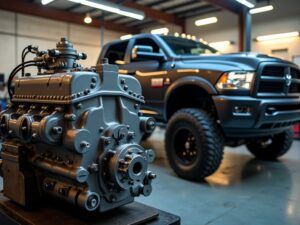
    Diesel horsepower comes down to science. It’s heat energy changed into motion, but that change only happens effectively when oxygen and fuel are in the perfect ratio at the perfect time. If you don’t get that balance right, you’re not using all the power available to you, or you’re destroying your engine in the process. Knowing the science behind that equation is what distinguishes a quality performance diesel from a costly mistake.

    The Oxygen Side of the Equation

    Diesel engines operate differently than gasoline engines, they don’t use a stoichiometric ratio, and they naturally have excess oxygen in the exhaust. This air is deliberately present to facilitate complete fuel combustion and keep exhaust gas temperatures (EGT) at an acceptable level. When you try to burn more fuel than oxygen allows, you get black smoke out of the tailpipe because the excess fuel is passing right through the cylinder unburned.

    That’s where the turbocharger comes in. While the stock 6.7L Cummins variable geometry turbocharger (VGT) does an acceptable job of pumping air into the combustion chamber over a broad RPM band, compressed air is hot and subsequently less dense. The intercooler’s job is to cool that compressed air before it enters the cylinder head, effectively upping the oxygen volume per cubic foot. Boyle’s Law tells us that, at a constant pressure, the volume of a gas is proportional to its absolute temperature. If the air is cooler at a constant pressure, there are more oxygen molecules in the cylinder. More oxygen means more fuel can burn, and more fuel burn means more engine power.

    Boost pressure and drive pressure have a relationship just as important as the interaction of compression and charge air-flow. If the exhaust side can’t flow enough supporting air volume for the flow produced on the intake side (When drive pressure exceeds boost pressure), you hit a wall in your air-flow. Turbo stalling. Exhaust temperatures climbing. More boost isn’t the fix here, more airflow is.

    How the 6.7L Cummins Delivers Fuel

    The 6.7L Cummins has a common rail injection system. Fuel is held at high pressure in a common rail and sent to each injector in precise, controlled pulses. This design can facilitate multiple injection events per combustion stroke. A small pilot injection precedes the main event to decrease noise and increase combustion efficiency. A post-injection can be used to help control EGTs under load.

    The pressure at which that fuel is delivered is important. More pressure creates better atomization, breaking the fuel into smaller particles that burn more easily. When a tuner talks about "pulse width" (how long the injector stays open), they are talking about adjusting how much fuel enters the cylinder. But there is a limit to how long you can hold the injector open. A longer spray at lower pressure leads to larger fuel droplets that do not burn as easily, meaning more soot, higher EGTs, and less power per amount of fuel used. This is why it is more effective to use pressure to control how much fuel makes it into the cylinder. Raise the rail pressure and more fuel can be delivered through the same orifice in the same or less amount of time.

    The Fuel System Bottleneck

    This is where most high-output 6.7L builds get stuck. The factory Bosch high-pressure pump is fine for stock and moderately altered applications, but it’s not built to provide high-demand fueling sustainably. When tuning calls for more fuel than 500-550 rear-wheel horsepower, the factory pump isn’t powerful enough to maintain rail pressure. The rail pressure sensor reads the drop. The injectors can’t flow what the ECU is demanding. Power falls off, and the engine goes pig rich at WOT.

    An upgraded cp3 pump simply makes sure that the common rail is always pressurized, no matter how hard the tune is requesting fuel. It’s equally important that the lift pump feeding the high-pressure system can keep the supply side from starving the pump under load. Both sides of the fuel path need to play ball.

    What Tuning Actually Does

    ECU remapping, what most people call "tuning", rewrites the fuel and air delivery maps that govern how the engine responds to driver input. Injection timing, rail pressure targets, boost targets, and fueling curves all live in that software. A good tune coordinates all of these variables to work together.

    But software can only command what the hardware can deliver. A tune that calls for rail pressure the factory pump can’t sustain is just asking the engine to run lean or fail silently under load. The tuner provides the instructions. The hardware provides the capability.

    This is why the smartest builds tackle both simultaneously. Getting the fuel system hardware sorted before pushing the tune hard means the ECU’s commands are actually being executed as written, across every RPM and load condition where it matters.

    Performance diesel ownership rewards people who understand what the engine is actually doing. When you know why oxygen, fuel pressure, and timing interact the way they do, the parts list writes itself.

  • Why Regular Car Maintenance Pays Off Long-Term: Maximising Vehicle Longevity and Savings

    Why Regular Car Maintenance Pays Off Long-Term: Maximising Vehicle Longevity and Savings

    Regular car maintenance might seem like an inconvenient expense, but it actually saves money over time by preventing costly repairs. Many drivers delay services until a problem arises, which often leads to more extensive damage and higher bills.

    Consistent check-ups and timely replacements keep the vehicle running efficiently, extending its lifespan and reducing the likelihood of breakdowns. This proactive approach also helps maintain safety and reliability on the road.

    Understanding why maintenance matters encourages smarter decisions about vehicle care. By investing small amounts regularly, owners protect their car’s performance and avoid unexpected disruptions.

    How Regular Car Maintenance Prevents Costly Repairs

    Regular maintenance helps identify small issues early, reducing the risk of expensive fixes later. Proactive care protects vital components like the engine and improves overall vehicle reliability.

    Consequences of Skipping Routine Car Care

    Neglecting routine car care often leads to accelerated wear and tear. For example, failing to change oil regularly causes sludge buildup, which reduces lubrication and increases friction.

    This eventually results in parts wearing out prematurely. Brake pads can deteriorate faster, and tyres may wear unevenly, increasing the chance of accidents or costly replacements.

    Skipping maintenance also voids warranties in some cases. Repair bills tend to escalate as minor issues become major problems that need extensive work.

    Avoiding Engine Damage Through Preventive Actions

    The engine requires consistent care to function effectively. Regular oil changes, coolant flushes, and air filter replacements keep internal components clean and cool.

    Ignoring these steps risks overheating and internal engine damage, which is expensive to repair. Timing belt inspections, for instance, can prevent catastrophic engine failure if replaced on schedule.

    Preventive maintenance ensures fluids circulate properly and debris is filtered out, preserving engine life. It reduces the chance of breakdowns caused by mechanical failure.

    Preventing Unexpected Breakdowns

    Unexpected breakdowns often result from neglected components like batteries, belts, and hoses. Regular checks can spot cracks, leaks, or worn parts before they fail.

    Replacing these parts as part of routine car care prevents roadside failures that require costly towing or emergency repairs. Scheduled inspections help maintain dependable vehicle operation.

    Maintaining tyre pressure and battery health also lowers the risk of inconvenient and expensive breakdowns, ensuring safer and more predictable journeys.

    Essential Maintenance Tasks for Long-Term Savings

    Routine upkeep targets specific car components that prevent costly repairs. Paying close attention to lubrication, tyre condition, brakes, and fluid levels reduces wear and maintains optimal performance.

    Importance of Oil and Filter Changes

    Oil lubricates the engine’s internal parts, preventing friction and heat buildup. Over time, oil degrades and collects contaminants, reducing its effectiveness. Regular oil and filter changes maintain engine health and improve fuel efficiency.

    Most vehicle manufacturers recommend changing oil every 5,000 to 10,000 miles, but this varies by oil type and driving conditions. Neglecting oil changes can lead to engine sludge and accelerated wear, potentially resulting in costly repairs or engine failure.

    Using the correct oil grade and a high-quality filter is essential. It ensures proper flow and removes dirt before it causes damage.

    Tire Rotations and Wheel Alignment

    Tyres wear unevenly due to driving patterns and road conditions. Regular tyre rotations even out tread wear, extending tyre life. Experts suggest rotating tyres every 8,000 to 10,000 miles.

    Wheel alignment ensures the wheels point in the correct direction for optimal handling and tyre wear. Misalignment causes rapid and uneven tyre degradation, affecting safety and fuel economy.

    Proper tyre care involves checking tread depth, inflation pressure, and inspecting for damage. Maintaining correct pressure improves grip and reduces the risk of blowouts.

    Brake System Inspections and Safety

    Brakes are critical for safety and require routine checks. Brake inspections identify wear on pads, discs, and fluid condition. Worn brake pads reduce stopping power and increase the risk of accidents.

    Brake fluid absorbs moisture over time, which lowers its boiling point and compromises braking efficiency. Regular fluid flushes, typically every 2 years, maintain system reliability.

    Ignoring brake maintenance can lead to increased repair costs or failure. Early detection during inspections helps avoid expensive component replacements.

    Fluid Checks and Top-Ups

    Vehicles rely on several fluids: coolant, transmission fluid, power steering fluid, and brake fluid. Each fluid has a specific role in performance and longevity.

    Coolant prevents engine overheating by regulating temperature. Transmission fluid lubricates gears, ensuring smooth shifts and protecting components. Power steering fluid enhances steering response and ease.

    Regular checks catch leaks or contamination early. Top-ups maintain correct levels and prevent mechanical issues. Following manufacturer intervals for fluid replacement avoids breakdowns and costly repairs.

    Maximising Vehicle Lifespan and Performance

    Regular car maintenance directly influences a vehicle’s efficiency, durability, and safety. A carefully followed maintenance schedule helps preserve critical components, optimise fuel use, and reduce the risk of breakdowns.

    Enhanced Fuel Efficiency

    Keeping the engine in good condition is key to maintaining fuel efficiency. Regularly changing air filters ensures the engine breathes properly, which improves combustion and reduces fuel consumption. Worn spark plugs and clogged fuel injectors can cause incomplete combustion, leading to poor mileage and higher emissions.

    Tyre pressure also affects fuel economy; under-inflation increases rolling resistance. Checking and correcting tyre pressure monthly is a simple yet effective maintenance step. Routine oil changes reduce engine friction, making it run smoother and consume less fuel. Sticking to the manufacturer’s maintenance schedule ensures these components work optimally, helping to keep fuel costs down.

    Reducing Wear and Tear

    Consistent maintenance prevents premature wear on engine parts and mechanical systems. Changing engine oil, brake fluid, and transmission fluid at recommended intervals lubricates moving parts and prevents corrosion. This reduces strain on components and extends their service life.

    Suspension checks identify worn shock absorbers or bushings that can cause uneven wear on tyres and other parts. Timely replacement of brake pads not only maintains braking performance but also prevents damage to brake discs. Recording maintenance history helps detect patterns and avoid costly repairs by addressing minor issues early.

    Improving Driving Safety

    Maintaining key safety features through regular inspections ensures reliable vehicle control. Functional brakes, well-maintained tyres, and effective suspension are vital for safe braking and handling. Ignoring maintenance on these can lead to compromised grip, longer stopping distances, or failure under stress.

    Electrical systems, including lights and indicators, also require routine checks. Faulty lighting diminishes visibility, posing risks during night or adverse weather conditions. Maintaining the steering system and wheel alignment supports stable and predictable vehicle response, reducing accident risk.

    Proper car maintenance directly supports safe driving by ensuring all critical systems perform reliably under varied conditions.

    Maintaining Car Value and Building Trust

    Regular maintenance helps preserve a vehicle’s worth and assures its reliability to future owners. Keeping detailed records and sticking to scheduled services builds confidence in the condition of the car. Selecting reputable repair professionals further supports the vehicle’s long-term value and performance.

    Keeping an Accurate Maintenance Record

    A complete maintenance record documents every service and repair, proving the car has been properly cared for. It should include dates, mileage, parts replaced, and service details. This information is essential when selling or trading the vehicle, demonstrating adherence to the maintenance schedule.

    Digital logs or physical folders both work, but consistency matters more than format. Records also assist mechanics by providing a service history, which can prevent unnecessary work. Buyers are more likely to trust a vehicle with transparent and thorough maintenance documentation.

    Boosting Resale Value with Consistent Upkeep

    Consistently following the manufacturer’s recommended maintenance schedule preserves a car’s performance and appearance. Regular oil changes, brake checks, and fluid replacements help avoid costly breakdowns and wear.

    A well-maintained vehicle typically sells for a higher price compared to one with gaps in servicing. Routine upkeep projects an image of care, giving buyers confidence that they are investing in a dependable product. Maintaining tyres, filters, and engine components is key, as these directly affect drivability and safety.

    Choosing Trusted Auto Repair Professionals

    Selecting a trusted auto repair service affects both maintenance quality and trustworthiness. Certified garages and technicians familiar with the vehicle’s make ensure proper repairs and genuine parts.

    Trustworthy mechanics provide clear estimates, communicate necessary services, and avoid unnecessary work. Positive reviews and recommendations from other vehicle owners indicate reliability. A consistent relationship with a reliable repair professional helps maintain the vehicle according to the correct maintenance schedule, sustaining its value and safety.