
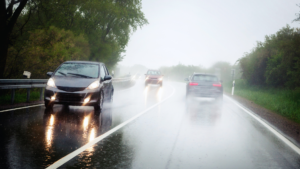
Driving in harsh weather conditions requires extra caution and preparation. Understanding how to effectively navigate through adverse weather can significantly enhance road safety and reduce the risk of accidents. Whether it’s rain, snow, fog, or ice, knowing the right techniques can make all the difference.

Proper vehicle maintenance is crucial when facing challenging weather. Ensuring that tyres are in good condition, brakes are functioning properly, and lights are fully operational can help drivers maintain control and visibility. Awareness of changing weather conditions and their impact on driving is essential for making informed decisions on the road.
With the right knowledge and skills, anyone can learn to drive safely in difficult conditions. This article will provide practical tips for managing various weather challenges, ensuring that drivers feel confident and equipped to handle whatever comes their way.
Preparing for Adverse Weather
Preparation is crucial when anticipating harsh weather conditions. Conducting a thorough vehicle check and assembling an emergency kit can significantly enhance safety and readiness for unexpected situations.
Vehicle Check and Maintenance
Ensuring that the vehicle is in optimal condition plays a fundamental role in safe driving during adverse weather. Key areas to inspect include:
- Tires: Check tread depth and ensure they are properly inflated. Adequate tread helps maintain traction on slippery surfaces.
- Windshield Wipers: Replace old wiper blades. Clear visibility is vital to navigate through rain, snow, or fog.
- Brakes: Test braking functionality to ensure responsiveness. Well-maintained brakes are essential for stopping safely on slick roads.
- Fog Lights: Ensure fog lights are operational for better visibility during heavy rain or fog.
Regular maintenance checks before extreme weather events can prevent breakdowns and enhance the vehicle’s safety features.
Packing an Emergency Kit
An emergency kit is essential for any driver, particularly in adverse weather conditions. Key items to include are:
- First Aid Kit: To treat minor injuries.
- Blankets: Provides warmth if stranded.
- Flashlights and Batteries: Important for visibility during emergencies.
- Non-perishable food and Water: Keeps energy up if stuck for an extended time.
- Basic Tools: A toolkit can help with minor repairs.
- Road Flares or Cones: Increases visibility for other drivers.
Having this kit ensures readiness for unexpected situations during extreme weather events, aiding in both comfort and safety.
Adapting to Weather Conditions on the Road
Driving in harsh weather requires several adjustments to maintain safety. It is crucial to modify speed, ensure visibility, and know how to handle adverse conditions effectively. The following subsections highlight these important aspects.
Adjusting Speed and Following Distance
In severe weather, reducing speed is essential. Drivers should slow down significantly when conditions are wet or slippery. This reduction helps maintain control and allows more time to react to sudden changes.
At the same time, maintaining a safe following distance becomes even more critical. While a three-second gap is generally recommended in dry conditions, adverse weather calls for a following distance of at least five to six seconds. This added space allows for better reaction time, particularly if the vehicle ahead stops unexpectedly.
That said, even with these precautions in place, not all road users will respond as carefully. Other drivers or cyclists may fail to adjust their speed or distance, which can increase the risk of a collision despite responsible driving. In such unfortunate circumstances, seeking immediate first aid and medical attention should be the priority.
Afterward, pursuing legal support may be necessary. For instance, consulting an experienced Chicago bike accident lawyer (or a similar expert elsewhere) can help individuals understand their rights and take appropriate legal steps following a vehicle accident.
While city street collisions have their own challenges, incidents on major expressways present even greater dangers. High speeds and heavy traffic volume mean that any mistake can lead to a multi-car pileup. When drivers do not adjust to wet or icy roads, highway auto accidents often result in severe injuries. Dealing with the aftermath of these crashes requires a clear understanding of liability and insurance policies. Having the right information helps victims secure the support they need for their recovery.
The Importance of Visibility
Visibility issues can severely impact driving safety. Fog, heavy rain, or driving at night can decrease visibility dramatically. The use of low beams is recommended in fog or heavy rain to enhance clarity.
Additionally, using headlights at all times during poor weather conditions improves visibility for others as well. Drivers should also regularly clean their windscreen and ensure wipers are functioning effectively.
Clear visibility is often compromised by dirt, condensation, or frost. Hence, one must ensure that all windows are free from obstructions before setting off.
Handling Skids and Hydroplaning
On slick roads, hydroplaning or aquaplaning can occur when tyres lose contact with the surface. To handle such situations, drivers should ease off the accelerator rather than brake suddenly.
If they feel the car starting to skid, steering gently in the direction they wish to go can help them regain control.
Staying calm during a skid is essential. Drivers should avoid overcorrecting, as it can lead to further loss of control. Training and practice can help prepare for these scenarios, making drivers more equipped to navigate through challenging conditions.
Navigating Specific Weather Challenges
Driving in adverse weather conditions requires awareness and preparedness. Each type of weather presents unique challenges that can impact safety. Here’s a closer look at how to navigate through these specific situations effectively.
Driving in Rain and Flooding
When driving in rain, it is essential to adjust speed to maintain control. Heavy rain can reduce traction, leading to skidding. Drivers should inspect their windshield wipers and ensure they are functioning properly.
In the event of flooding, the advice is clear: do not attempt to drive through submerged areas. A vehicle can be swept away in just a few inches of water. If faced with flooded roads, pull over to a safe location and consider an alternate route to avoid danger.
Maintaining a safe distance from other vehicles becomes crucial as well. Aqua planning can occur if tyres lose contact with the road surface. Always ensure tyres are suitable for wet conditions.
Managing Snow and Ice Conditions
Snow and ice present severe challenges for drivers, particularly in extreme weather conditions. Utilising snow tyres can significantly enhance traction and control. Regular tyres may not suffice in icy conditions.
When encountering black ice, which often forms in shaded areas or during the night, it’s vital to maintain a steady speed and avoid sudden movements. Increasing the following distance allows for more reaction time.
In heavy snow, reducing speed and making smooth steering and braking motions can prevent skidding. If conditions worsen, it might be prudent to pull over until visibility improves.
Facing Fog and Reduced Visibility
Driving in fog requires heightened caution as visibility may be severely limited. Fog lights should be used to illuminate the road without causing a glare. Regular headlights can reflect off the fog, making conditions worse.
When navigating through fog, maintaining a slow speed is critical. It allows for adequate response time to unexpected obstacles or hazards. Buckle up; safety belts are crucial in any driving scenario.
Drivers should also look for road markings and signs to guide them. It may be wise to follow the vehicle ahead at a safe distance. Using the vehicle’s horn sparingly can alert others to the presence of very thick fog.
Contending with High Winds and Storms
High winds can significantly affect vehicle control, particularly for larger vehicles. Drivers should keep both hands on the wheel and be alert to sudden gusts.
During storms, it’s recommended to reduce speed and be aware of debris on the road. Maintaining distance from other vehicles is smart, as they may be pushed sideways.
In particularly strong winds, find a safe place to pull over and wait it out. Before starting any journey, checking the weather forecast can help drivers plan ahead to avoid severe weather conditions.
Best Practices for Safe Driving in Harsh Conditions
Navigating difficult weather requires specific skills and preparations. Safe driving involves defensive techniques, proactive planning, and particular considerations for learner drivers.
Developing Defensive Driving Skills
Defensive driving is critical in harsh conditions. This involves anticipating potential hazards and reacting accordingly. Drivers should maintain a safe distance from the vehicle ahead to allow for adequate braking time.
It is advisable to keep speeds lower than normal limits. Reducing speed enhances control and allows for better handling of unexpected situations. Drivers should also avoid sudden lane changes, which can lead to skids.
Practising safe driving techniques, such as turning gradually and using gentle acceleration, is essential. It is also important to stay alert and watch for changes in the road or weather, which can introduce new risks.
Planning and Adjusting Travel Plans
Planning ahead is vital when travelling in adverse weather. Before starting the journey, drivers should check weather forecasts to make informed decisions. If conditions appear severe, it is wise to delay travel or choose an alternative route.
Allowing extra travel time can significantly reduce stress on the road. This helps drivers avoid the temptation to speed. It’s beneficial to share travel plans with someone else in case of emergencies.
Incorporating frequent rest breaks enhances focus and prevents fatigue. Ensuring the vehicle is in working order before departure is crucial, including checking tyres, brakes, and lights.
Learner Drivers and Hazardous Weather
Learner drivers should receive extra instruction on handling hazardous weather. Practising in a controlled environment gives them the skills needed for real conditions. Educators should emphasise the importance of defensive driving and safe techniques.
Learners must understand the limitations of their vehicles and how to manage skids. They should avoid using cruise control in slippery conditions, as this can lead to loss of control.
Encouragement to remain calm and patient is essential. This helps them respond effectively to challenging situations. Regular driving practice in varied conditions is important for building confidence and competence.
