
Month: May 2025

  • Diesel Dilemma: Are Used Diesel Cars Still Worth it in 2025?

    Diesel Dilemma: Are Used Diesel Cars Still Worth it in 2025?

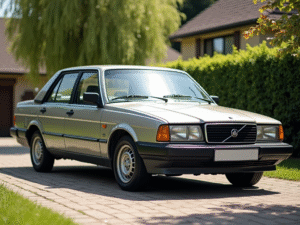
    Have you heard someone say diesel is dead? It’s not! Used diesel cars still hold a strong place in the market, despite everything you’ve probably heard over the past few years. From tighter emissions regulations to growing pressure around eco-conscious driving, the spotlight has shifted hard onto electric and hybrid options. But does that mean buying a used diesel is a bad idea? Not even close. The situation’s a bit more nuanced than that.

     

    What’s Changed for Diesel?

    It’s no secret that diesel has had a rough ride recently. Public perception took a hit, especially after major emissions scandals and stricter environmental rules across Europe. And yes, certain cities now have low-emission zones, which can limit or charge access for older diesel vehicles.

    But here’s the thing: not all diesels are treated the same.

    Euro 6 diesel engines (those registered from September 2015 onwards) meet strict emissions standards and, in many cases, are still allowed to drive through these restricted zones without penalty. So the real story isn’t about diesel being “bad” — it’s about whether the car in question meets current regulations. And many used diesel cars absolutely do.


    So, Why Are People Still Buying Diesel?

    Because they make sense. For the right kind of driver, a used diesel car still delivers major benefits.

    If you’re clocking up lots of motorway miles, diesel wins on fuel economy. Petrol can’t really compete when it comes to long-distance efficiency. And electric? Well, the UK charging infrastructure still has gaps, especially outside major cities. Plus, not everyone has access to home charging.

    Used diesel cars also tend to be cheaper to buy than their petrol or hybrid counterparts. Depreciation has hit diesel models harder, which ironically makes them a great buy if you know what you’re looking for.

    And you get more car for your money. Better performance, higher spec, lower price.


    What About Resale Value?

    It’s fair to wonder if a diesel car will be harder to sell in a few years. After all, with the 2035 ban on new petrol and diesel cars looming, the market is definitely shifting. But used diesels aren’t disappearing overnight, far from it.

    Demand is still there, especially for well-maintained models with low mileage and strong service history. People who need to drive long distances or tow trailers still actively look for diesel. And because the supply of new diesel cars is shrinking, the second-hand market may even see increased demand for quality used models over the next few years.

    It’s not a long-term forever car, but it doesn’t need to be. If you’re buying with a 3-to-5-year plan, there’s very little downside.


    Understanding the Low Emission Zones

    The key concern for many buyers is whether their diesel will be allowed into major cities without racking up daily charges. That all comes down to emissions standards.

    Most clean diesels from 2015 onwards meet Euro 6 standards, which means they’re exempt from charges in areas like London’s ULEZ and similar zones across other UK cities. The trick is to check the car’s registration date and emissions rating before you buy.

    And if you’re not regularly driving through those zones, the worry becomes a bit of a non-issue.

    There’s also the simple fact that many towns and rural areas don’t have any restrictions at all. If you live outside the main cities, a diesel could still be the smartest and most economical choice on the road.


    Cost of Ownership Still Adds Up in Diesel’s Favour

    Let’s talk numbers. Diesel fuel is often slightly more expensive at the pump, sure. But it typically lasts longer per litre, especially on long runs. That means fewer fill-ups and more miles per tank.

    And because diesels are built to handle higher mileage, they’re generally more robust over time. Less wear and tear on the engine means fewer issues down the line, provided it’s been properly maintained.

    Some people worry about diesel servicing costs, but modern engines are pretty reliable. The key is buying something with a full service history. Avoid neglected engines and you’ll likely get thousands of smooth miles.

    Insurance-wise, there’s not a huge difference between diesel and petrol. And if you’re opting for an older car, road tax can be higher, but that’s often offset by the savings on purchase price and fuel.


    When Diesel Makes Sense

    Used diesel cars aren’t right for everyone. If your driving is mostly short, stop-start urban trips, a petrol or hybrid may be better. Diesels are happiest on the open road, where the engine gets up to temperature and emissions systems do their job properly.

    But if you tick any of these boxes, diesel is still a smart choice:

    • High annual mileage – Driving 12,000+ miles a year? Diesel wins on fuel costs.
    • Long-distance commutes – Motorway cruising is where diesel shines.
    • Towing needs – More torque makes towing easier and safer.
    • Budget buying – Diesel depreciation means lower prices on the used market.
    • Bigger vehicles – SUVs and estates often feel smoother and stronger with a diesel under the bonnet.

    What to Look for in 2025

    If you’re buying used, focus on newer diesel models that are Euro 6 compliant. These are more likely to hold their value, avoid clean air zone charges, and stay roadworthy longer into the decade.

    Pay close attention to:

    • Emissions rating – Euro 6 is key.
    • Mileage – Diesels like the miles, but avoid anything that looks overly worn.
    • Service history – Regular oil changes and maintenance are crucial.
    • DPF condition – The diesel particulate filter can clog with too many short trips. Make sure it’s in good shape.

    And don’t forget: buying used is all about condition. Take your time, inspect the car properly, and walk away from anything that feels neglected.


    Still a Strong Contender

    Used diesel cars aren’t outdated. They’re not obsolete. They’re just no longer front and centre in the showroom spotlight, and that actually works in your favour if you’re buying.

    In 2025, they still offer excellent value, strong performance, and long-term reliability. For the right kind of driving and the right kind of buyer, diesel makes perfect sense.

    Ignore the noise. If your driving habits match what diesel is built for, it’s still one of the smartest used car decisions you can make.

  • 6 Smart Fixes for Truck Driver Fatigue

    6 Smart Fixes for Truck Driver Fatigue

    Ever hit that wall mid-shift when your eyes feel heavy, your back’s aching, and your focus just slips? Fatigue is one of the most common and serious issues in long-haul driving. It’s not just about being tired. It’s reduced reaction time, mental fog, poor decisions, and in the worst cases, dangerous mistakes.

    The truth is, fatigue creeps in long before you realise it. You might be getting decent sleep and still feel drained. That’s because fatigue doesn’t only come from a lack of rest. It builds up from physical strain, poor posture, bad routines, and even how you fuel your body.

    Here are six smart, practical ways to fight fatigue on the road.

    1. Upgrade Your Seat

    If you’re going to spend 10+ hours a day in one place, it better support you properly. Most stock or worn-out truck seats aren’t doing your body any favours. They force your spine into unnatural positions, reduce blood flow to your legs, and make your muscles work overtime to stay upright. That constant strain? It’s exhausting. That’s why it’s time to upgrade to comfortable, high-quality truck seats Brisbane.

    A proper truck seat helps by:

    • Encouraging better posture
    • Reducing pressure on your lower back
    • Absorbing road vibrations
    • Allowing small adjustments to suit your body

    Look for something with strong lumbar support, a suspension base, and adjustable controls. Even better if the materials help with airflow. Over time, the right seat doesn’t just improve comfort; it reduces fatigue before it even starts.

    1. Stick to a Driving and Sleeping Rhythm

    Long-haul routes often mess with your body’s internal clock. One week you’re starting at sunrise, the next you’re pushing through midnight runs. That kind of inconsistency throws off your circadian rhythm — the body’s natural sleep-wake cycle. And when your rhythm’s out of sync, no amount of naps can fully restore your energy.

    Whenever possible, try to maintain a consistent routine. Sleep and wake at similar times, even on off days. Your body will start to recognise when it’s time to rest, and you’ll fall asleep faster and sleep more deeply.

    This doesn’t mean you have to be rigid. Just aim for regular patterns whenever possible. Even small improvements in sleep quality can lead to big improvements in how alert you feel on the road.

    1. Don’t Skip Breaks (Even Short Ones Help)

    It’s easy to fall into the habit of pushing through. Just one more hour. Just one more stop. The problem? Mental focus drops way before physical tiredness hits. And sitting in one position for too long causes stiffness, which only adds to the fatigue.

    Breaks don’t need to be long to be effective. Even five to ten minutes of movement every couple of hours can reset your focus, stretch out stiff muscles, and get blood flowing again.

    Step out. Walk around the truck. Do a quick stretch. It’s not wasted time, it’s a productivity reset.

    If your schedule’s tight, plan breaks into your route instead of treating them like delays. Your body and brain will thank you for it.

    1. Eat Lighter, More Often

    Big, heavy meals might feel satisfying, but they can be a driver’s worst enemy. They slow digestion, cause blood sugar crashes, and make you feel sluggish behind the wheel. Instead of three heavy meals, aim for smaller portions more frequently. Choose foods that fuel your body without weighing it down. Think protein, fibre, healthy fats, and slow-release carbs.

    Also, try not to rely too heavily on sugar and caffeine. They give a quick burst of energy, sure, but the crash that follows can hit hard, especially mid-shift. You’re better off with consistent energy than riding a rollercoaster of highs and lows.

    Pack snacks you can eat easily on the go. Nuts, fruit, hard-boiled eggs, wholegrain crackers — nothing fancy, just things that keep your energy steady.

    1. Stay Hydrated

    This one gets ignored far too often. Mild dehydration can affect concentration, memory, mood, and physical coordination — all critical for driving. And no, coffee doesn’t count. In fact, it can make dehydration worse.

    You don’t need to chug litres at once. Just sip regularly throughout the day. Keep a water bottle in reach, and refill it whenever you stop. If you’re avoiding water because of toilet breaks, it’s worth rethinking. Fatigue-related errors cause far more delays than a quick stop ever could.

    If you start getting a dry mouth, headaches, or feeling dizzy, you’ve probably waited too long to drink. Staying ahead of dehydration is one of the simplest ways to protect your alertness.

    1. Get Sunlight When You Can

    Truck cabins aren’t exactly rich in natural light. And while it might not seem like a big deal, exposure to sunlight has a real effect on your body clock and mood.

    Natural light helps regulate melatonin production, which controls sleepiness and alertness. If you’re always driving through the dark, your body never quite knows when it’s supposed to be awake.

    When you stop, try to spend a bit of time outside in the sun, even if it’s cloudy. It helps reset your brain, lifts your energy, and makes it easier to fall asleep when the time comes.

    Even rolling down the window or cracking the curtains when parked can let in enough light to make a difference.

    You Don’t Need to Feel Wrecked Every Day

    Fatigue isn’t just part of the job. It’s a sign that something needs to change, and usually, it’s a mix of little things adding up.

    Start with your seat. It’s where you spend the most time, and if it’s not supporting you properly, the rest doesn’t stand a chance. Then look at your daily habits. You don’t need a total overhaul. Just a few key adjustments — more movement, smarter food choices, staying hydrated, and getting sunlight — can give you more energy and make every shift feel more manageable.

    Driving tired is risky, not just for you but for everyone on the road. The good news? You’re not stuck with it. Small changes really do add up. Make them now, and you’ll feel the difference with every kilometre.