
Month: March 2025

  • EV Charger Installation Myths That Are Slowing You Down

    EV Charger Installation Myths That Are Slowing You Down

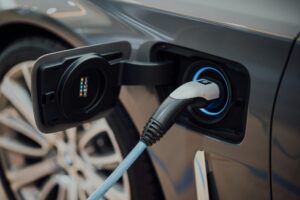
    There’s a lot of buzz around electric vehicles right now, and with that comes a fair amount of confusion, especially when it comes to home charger installation. Maybe you’ve been putting it off, thinking it’s complicated, expensive, or something you could just handle yourself later. You’re not alone. A bunch of common myths are holding people back from getting set up the right way. Let’s clear the air and make this whole thing simpler.

    Myth 1: You Can Just Plug It Into a Regular Powerpoint

    It sounds convenient, doesn’t it? Just plug your EV into the wall like it’s a toaster.

    But here’s the deal: Yes, some EVs can technically charge through a standard outlet, but it’s incredibly slow. Think 24+ hours to charge from empty. Not exactly practical for daily use.

    More importantly, regular sockets aren’t designed to handle the sustained load required for EV charging. That kind of demand can overheat the wiring and pose a fire risk if not properly managed.

    The better move? A dedicated EV charger installed by a qualified electrician. It’s faster, safer, and tailored to your home’s power capacity.

    Myth 2: DIY Installation Is Fine if You’re Handy

    Even if you’re confident with tools and electrical work, EV charger installation is not a DIY job. In few countries, it’s actually illegal to do this kind of electrical work unless you’re licensed. We’re talking about high voltage, continuous power flow, and integration with your home’s switchboard. Mistakes here aren’t just risky, they can be life-threatening.

    A professional will:

    • Assess your home’s electrical system
    • Ensure compliance with safety standards
    • Prevent overloading your circuits
    • Issue a compliance certificate (which you may need for insurance)

    This is one area where cutting corners simply isn’t worth the risk. So, do not hesitate to reach out to trusted electrician services Augusta GA, or elsewhere, to ensure your EV charger is installed safely and properly, giving you peace of mind and long-term reliability.

    Myth 3: All Chargers Are Basically the Same

    Not true. There’s a big difference between basic chargers and smart chargers. Smart chargers come with features like load management, app control, scheduling, and solar integration. Some are future-ready and designed to work with emerging energy systems, like vehicle-to-grid.

    If you’ve invested in an EV, it makes sense to think about how your charging setup fits into your home’s wider energy use. A qualified installer can walk you through the options that match your car, your budget, and your lifestyle.

    Myth 4: You Need Three-Phase Power or Solar to Install One

    Let’s clear this up: three-phase power can be helpful, but it’s not essential. Most homes run on single-phase power, and that’s perfectly fine for installing an EV charger. The installer will match the charger to your setup, and you can still charge overnight or during off-peak hours without issue.

    Same goes for solar. If you have it, great! Some chargers can even tap into your solar system to charge your car with free power. But it’s absolutely not a requirement.

    Myth 5: It’s Too Expensive

    The cost of installation depends on your home’s existing electrical setup, the type of charger, and how far it is from your switchboard. But it’s not as costly as many people assume.

    Think of it like this: this is a one-time investment that gives you daily convenience and long-term savings. Compared to fuel costs, EVs are cheaper to run, and a proper charging setup just makes that benefit even more seamless.

    Plus, some state governments offer rebates or incentives for home EV charger installation. It’s worth checking what’s available in your area.

    Myth 6: You Can Always Upgrade Later If Needed

    Sure, you can upgrade later, but it often ends up costing more. If you get the wrong charger now or skip key features thinking you’ll “sort it out later,” you might end up redoing parts of the job. That could mean rewiring, upgrading your switchboard again, or uninstalling and reinstalling new hardware.

    It’s smarter (and more cost-effective) to think ahead. A licensed installer will look at your future needs too, like if you plan to get a second EV, or want to integrate solar later on.

    Myth 7: It’s Just Not Urgent

    It’s easy to delay something that feels optional. But if you’re already driving an EV or planning to get one soon, it’s a decision worth making now.

    Charging at home is by far the most convenient way to keep your battery topped up. No detours to charging stations, no queues, no relying on apps to find an available spot.

    It’s about making EV ownership effortless. And when done right, it absolutely is.

    Don’t Let These Myths Stall Your Progress

    EV charger installation doesn’t need to be stressful or overly technical, but it does need to be done properly. The key takeaway? This is a job for the professionals.

    When installed correctly, a home charger gives you:

    • Convenience – Charge while you sleep, every night
    • Safety – Proper wiring, protection, and certification
    • Efficiency – Faster charging, tailored to your setup
    • Future-proofing – Scalable options that grow with your needs

    If you’ve been on the fence because of confusion or bad advice, it might be time to stop waiting. A clear, professional installation can save you time, money, and a lot of hassle down the road.

    Don’t let old myths slow you down. With the right setup, charging at home is one of the biggest perks of owning an EV.

  • Got Questions About Getting a Car Loan? Here Are the Answers You Need

    Got Questions About Getting a Car Loan? Here Are the Answers You Need

    Thinking about getting a car loan but not sure where to start? You’re not alone. Car finance is one of those things that seem straightforward—until you actually look into it. Then the questions start rolling in. What happens if my credit isn’t perfect? Can I get a car loan after just buying a house? Should I borrow through my mortgage or go for a standalone car loan?

     

    In this post, we’re going to clear up the confusion around car loans. Whether you’re buying your first car or upgrading to something new, this guide will help you understand your options and make better choices.

    1. Can I get a car loan if I have other debts?

    Yes, you can—but it depends on how much debt you already have and whether you can realistically manage more repayments.

    Lenders care about one key thing: your ability to repay the loan. They’ll look at your income, expenses, and current financial commitments like credit cards, personal loans, or mortgages. If there’s enough breathing room in your budget, your application stands a good chance.

    The big thing to remember? It’s not just about whether you’re approved. It’s about whether you can comfortably manage those repayments over the life of the loan. If money’s already tight, it might be worth waiting or choosing a cheaper car to stay on top of your finances.

    2. What if I want a car loan after buying a house?

    This one comes up a lot, as a lot of people are interested in getting a car loan after buying a house, but they’re not sure if this is possible. The good news is, yes—you can still get an auto loan after buying a house. Here’s what to keep in mind:

    • Once your mortgage is settled, lenders are less concerned about new credit applications.
    • Your loan eligibility will depend on your current financial position, not just the fact that you have a mortgage.
    • What really matters is your repayment capacity. That means how much money you have left over each month after covering your mortgage and living expenses.

    A lot of people find that their budget feels tight right after buying a home. But if you’ve budgeted well and have room for a car loan, there’s nothing stopping you. Some lenders might even see homeownership as a sign of financial responsibility.

    Should you wait until after settlement?

    If you’re still in the settlement period of your house purchase, be careful. Applying for more credit could delay or complicate your mortgage process. But once the house is yours, you’re free to explore other loans with more flexibility.

    3. Does my credit score affect my chances?

    Absolutely—but probably not in the way you think.

    If you’ve recently taken out a mortgage and managed everything well, your credit score might actually improve. Paying bills on time and having a solid loan history works in your favour.

    But if you had multiple mortgage applications knocked back before one finally stuck, that could lower your score temporarily. It’s not the end of the world, but it might make your car loan interest rate a little higher—or limit which lenders will consider you.

    The main thing? Only apply when you’re confident you’ll be approved. Too many applications in a short time can work against you.

    4. Is it cheaper to borrow through my mortgage?

    This one’s tricky—and often misunderstood.

    Yes, mortgage rates are usually lower than car loan rates. So topping up your home loan to buy a car feels cheaper. But over 20 or 30 years? You’ll likely end up paying a lot more in total.

    Let’s put it in perspective:

    • Top-up through mortgage (30 years) – Lower monthly repayments, but more interest over time. You might end up paying double for the car.
    • Separate car loan (5 years) – Higher repayments, but less total interest and you’ll pay it off much faster.
    • Top-up mortgage but repay like a car loan – This can be the best of both worlds if you’re disciplined and stick to a short repayment timeframe.

    It all comes down to how you manage repayments. If you’re the type to make only the minimum payments, a car loan might actually save you money long term.

    5. How much can I borrow?

    There’s no one-size-fits-all answer here, but a few key factors will shape your borrowing power:

    • Your income – More income generally means more borrowing potential.
    • Your expenses – Lenders look at everything from rent and utilities to food and insurance.
    • Other debts – The more you owe, the less you may be allowed to borrow.
    • Deposit or trade-in – The more you contribute upfront, the less you need to borrow.

    If you want a quick estimate, most lenders will offer a borrowing calculator—but a personalised quote will always be more accurate.

    6. Is there a best time to apply?

    Timing matters, especially if you’ve just made a big financial move like buying a house.

    Once your mortgage has settled and you’ve got a clear picture of your finances, that’s usually a safe time to apply. You’ll be in a better position to understand how much extra debt you can handle and what repayment amount feels realistic.

    Also, keep in mind:

    • Your financial stability matters more than the exact date of your mortgage settlement.
    • Avoid applying for multiple loans at once—it can impact your credit score.

    One Last Thing to Think About

    Getting a car loan isn’t just about what you can afford today. It’s about setting yourself up for the long term. A flashy new car might feel good now, but if it eats up too much of your budget, it can create pressure down the road.

    The smartest move? Take a moment to compare your options. Look at the total cost over time—not just the monthly repayments. And be honest with yourself about your repayment habits. That way, whatever path you choose—mortgage top-up or separate loan—you’re making the call with your eyes open.

    Ready to start exploring? It all begins with knowing your numbers.

  • The Best Car Brands for Reliability: A Comprehensive Overview

    The Best Car Brands for Reliability: A Comprehensive Overview

    For car buyers navigating the new car market, reliability is a key factor influencing their purchasing decisions. Some of the best car brands for reliability consistently rank high in customer satisfaction surveys and expert reviews, proving to be dependable choices for drivers. This reliability translates not only to fewer repairs but also to greater peace of mind on the road.

    Many consumers seek out reliable vehicles to minimise maintenance costs and maximise longevity. Brands renowned for their durability often provide solid warranties, indicating their commitment to quality. In this competitive landscape, identifying the right car brand can significantly impact one’s driving experience and investment value.

    With a focus on trusted manufacturers, this article examines the standout car brands that excel in reliability. From compact cars to SUVs, each brand offers options that cater to various needs while ensuring a dependable driving experience.

    Top Reliable Car Brands

    Several car brands have built strong reputations for reliability through consistent quality and customer satisfaction. This section covers notable manufacturers known for their dependable vehicles, along with key aspects that contribute to their reliability. However, while the vehicles mentioned are generally dependable, there can still be instances where defects slip through due to manufacturing issues or inadequate quality checks. In such situations, dealing with repeated repairs or uncooperative dealerships can become stressful and costly. Hence, seeking guidance from a reputable law firm like RockPoint Law can help you better understand your rights and explore options such as vehicle replacement or financial compensation.

    Toyota’s Reputation for Reliability

    Toyota has consistently ranked high in reliability ratings. Known for its durable engineering, models like the Corolla and Camry have earned consumer trust.

    Features such as low maintenance costs and high resale values contribute to Toyota’s appeal. The brand often receives high owner satisfaction scores, reflecting its commitment to quality. Additionally, Toyota’s emphasis on research and development leads to innovative safety and efficiency features that enhance the driving experience.

    Mazda’s Consistent Quality

    Mazda is revered for its attention to detail and strong build quality. The Mazda3 and CX-5 are prime examples of its reliable lineup.

    Mazda’s Skyactiv technology not only improves fuel efficiency but also contributes to longevity. Owners often report fewer issues over time, reinforcing the brand’s reputation. The emphasis on driver engagement and rewarding performance also ensures satisfaction among owners, making Mazda a standout choice in the reliability rankings.

    Lexus: Luxury and Longevity

    Lexus, Toyota’s luxury division, offers reliability combined with opulence. Models such as the RX and ES are known for their long-lasting performance and minimal breakdown incidents.

    Lexus vehicles often achieve high marks in reliability surveys. The brand’s commitment to quality is evident in its meticulous craftsmanship and the use of premium materials. Buyers enjoy the luxury experience alongside peace of mind regarding dependability.

    Kia and Hyundai: Rising Reliability

    Kia and Hyundai have transformed their images in recent years. Both brands now offer robust warranties, reflecting confidence in their vehicles’ durability.

    Models like the Kia Sportage and Hyundai Elantra have garnered positive reviews for reliability. They also feature modern designs and technology that appeal to a broad audience. Owner satisfaction has risen significantly, showing that these brands are not only reliable but also desirable.

    Honda’s Dependable Range

    Honda has a strong reputation for building cars that last. With models like the Civic and Accord, Honda vehicles are frequently praised for their reliability.

    The brand’s engineering and efficient manufacturing processes result in durable cars that require less frequent repairs. High resale values and loyal customer bases indicate strong owner satisfaction, further solidifying Honda’s place among the top reliable car brands.

    Subaru’s Rugged Durability

    Subaru is known for its rugged durability, making it a favourite among outdoor enthusiasts. Models such as the Outback and Forester feature all-wheel drive and are built to withstand harsh conditions.

    Subaru cars usually receive high-reliability ratings, coupled with impressive safety features. Customers appreciate the brand’s focus on practicality and longevity, which has resulted in a strong following. The combination of dependability and performance makes Subaru a standout in terms of reliability.

    Considerations for Buying a Reliable Car

    When selecting a reliable vehicle, several key aspects warrant consideration. These include build quality, safety features, owner satisfaction, running costs, and the potential benefits of hybrid technology. Each factor plays a vital role in determining overall reliability and long-term ownership experience.

    Assessing Build Quality and Safety Features

    Build quality significantly influences a car’s reliability. Attention to detail in design and materials often translates to durability. Reliable cars typically use high-quality components that resist wear and tear, which can prolong lifespan. To achieve this, manufacturers rely on processes such as low-volume machining, precision prototyping, materials testing, quality control inspections, computer-aided design, and iterative engineering refinements to ensure each component meets strict standards. These combined efforts help identify potential flaws early, improve performance, and ensure the final vehicle delivers consistent reliability and safety.

    Safety features also enhance reliability. Vehicles equipped with advanced safety technologies—such as automatic emergency braking, lane-keeping assist, and robust crash-test ratings—contribute to overall confidence in driving. It is advisable to consult manufacturers’ specifications and independent safety ratings to ascertain how well a vehicle performs in crash tests and safety scenarios.

    Evaluating Owner Satisfaction Surveys

    Owner satisfaction surveys provide valuable insights into the long-term reliability of a car. Regular feedback from current or former owners reveals noteworthy patterns regarding performance, comfort, and issues experienced during ownership.

    Surveys often include ratings on factors like dependability, service experience, and likelihood of recommending the vehicle. Popular sources for these surveys include J.D. Power and Consumer Reports. A vehicle that consistently ranks high in owner surveys is likely to meet reliability expectations.

    Balancing Running Costs and Practicality

    Running costs are a crucial consideration for reliability. It is important to evaluate fuel economy, maintenance expenses, and insurance rates. Cars that offer better fuel efficiency tend to lower long-term operating costs.

    Practicality also plays a role. A reliable car should serve the driver’s lifestyle effectively, meeting their space and functionality requirements. Assessing how well a vehicle accommodates passengers, cargo, and everyday usability ensures it aligns with personal needs, which aids in making a sound choice.

    Understanding the Impact of Hybrid Technology

    Hybrid technology has transformed discussions around reliability. Many hybrids offer superior fuel economy, reducing the frequency of refuelling, which is a practical consideration for many buyers.

    Moreover, hybrids typically feature advanced engineering and additional reliability due to their dual power sources. However, potential buyers should consider battery longevity and replacement costs when evaluating hybrid models. Understanding these aspects ensures informed decisions regarding investment and reliability over time.

    The Rise of Electric Vehicles and Their Reliability

    The transition to electric vehicles (EVs) has transformed the automotive landscape, with key brands like Tesla leading the charge. As EV technology advances, understanding their reliability becomes essential for consumers.

    Tesla: Pioneers of Electric Car Reliability

    Tesla has set the industry standard for electric car reliability, especially with models like the Tesla Model 3. This vehicle has received high ratings for its performance, long range, and low maintenance costs.

    Key Reliability Features of Tesla Model 3:

    • Industry-leading software updates that enhance features over time.
    • Minimal moving parts compared to traditional engines, lead to fewer mechanical failures.
    • Strong commitment to customer service and addressing issues promptly.

    However, Tesla still faces challenges related to build quality and service availability.

    Challenges and Advancements in EV Reliability

    While EVs demonstrate fewer mechanical problems, challenges remain. Battery longevity and charging infrastructure must keep pace with increasing demand.

    Common Reliability Considerations:

    • Battery Life: Most EV batteries are designed to last 8-10 years, but degradation can occur.
    • Charging Issues: Access to fast charging stations can affect usability, especially on long trips.
    • Software Reliance: Many electric cars depend on software for operation. Bugs can impact vehicle performance.

    Automakers are investing in battery technology and charging networks to tackle these items.

    Comparing Traditional Cars with Electric Models

    Traditional petrol and diesel vehicles have well-established reliability records. However, the simplicity of EV design provides a competitive edge.

    Key Comparisons:

    • Maintenance: EVs generally require less maintenance—no oil changes, and fewer moving parts.
    • Performance Consistency: Electric motors provide consistent power without the need for complex transmissions.
    • Environmental Impact: EVs offer lower emissions, which, while not direct reliability, appeals to eco-conscious buyers.

    As automotive technology evolves, the reliability of electric vehicles will likely improve, making them a strong alternative to traditional models.

    The SUV and Family Car Segment for Reliability

    Reliability is crucial for consumers seeking SUVs and family cars. Several models stand out for their durability and low running costs, making them top choices for families.

    Best SUVs for Long-Term Reliability

    The Toyota RAV4 continues to be a leader in reliability. Its robust build quality and efficient engine options contribute to lower maintenance costs. It also offers ample space for passengers and luggage, making it a practical choice for families.

    Another strong contender is the Mazda CX-5. Known for its engaging driving experience, the CX-5 boasts high safety ratings and low running costs. Its stylish design and comfortable interior further enhance its appeal as a family vehicle.

    The Lexus NX combines luxury and reliability. This SUV features advanced technology and a smooth ride, appealing to families who desire comfort alongside dependability. Its reputation for longevity is supported by strong customer satisfaction ratings.

    Family Cars That Offer Reliability and Value

    The Toyota Corolla is renowned for its reliability and efficiency. With a reputation for durability, this car remains a favourite among families seeking a dependable vehicle. Its low running costs and spacious interior make it suitable for everyday use.

    The Dacia Duster presents an attractive alternative in the family car market. Offering a robust frame and practical features, this small SUV is known for its affordability without sacrificing reliability. Its elevated stance and generous space appeal to families looking for versatility.

    Together, these models exemplify reliability in the SUV and family car segments, ensuring peace of mind for drivers and passengers alike.

  • First-Time Car Buyer? Here’s How to Secure the Right Auto Loan

    First-Time Car Buyer? Here’s How to Secure the Right Auto Loan

    Buying your first car is an exciting milestone. However, with so many loan options, interest rates, and financial jargon thrown at you, it’s easy to feel overwhelmed. The good news? Securing the right auto loan doesn’t have to be stressful—especially if you know what to look for.

    Instead of rushing into a deal that could cost you more in the long run, take a step back and arm yourself with the right information. Whether you’re buying new or used, here’s how to navigate the financing process and lock in a loan that works for you.

    1. Know Your Budget Before You Start Shopping

    It’s tempting to pick a car first and figure out the loan later, but that’s a risky approach. Lenders will approve you for the maximum amount they think you can afford—but that doesn’t mean it fits your budget.

    A smart way to plan is by calculating how much you can comfortably spend each month on a car payment, factoring in insurance, gas, and maintenance. Financial experts often recommend that when you get an auto loan your payment shouldn’t exceed 15% of your monthly take-home pay.

    To get a rough idea of what you can afford, try these steps:

    • Determine your total budget – Consider the full cost of owning a car, not just the monthly payment.
    • Factor in a down payment – The more you put down upfront, the less you have to borrow.
    • Keep an eye on loan terms – A longer loan term lowers monthly payments but increases the total interest paid.

    2. Check and Improve Your Credit Score

    Your credit score plays a huge role in the type of loan you qualify for and the interest rate you’ll receive. The higher your score, the better the loan terms.

    Before applying, check your credit score and report for any errors. If your score isn’t where you’d like it to be, consider taking some time to improve it by paying off outstanding debts, making on-time payments for bills and credit cards, and reducing your credit utilization.

    Even a small increase in your score can lead to lower interest rates, which saves you money over the life of the loan.

    3. Compare Lenders – Don’t Settle for the First Offer

    Auto loans are available through banks, credit unions, online lenders, and dealerships. Each lender offers different rates and terms, so shopping around is crucial.

    When comparing lenders, focus on:

    • Interest rates – Even a slight difference in APR can impact your monthly payment and total loan cost.
    • Loan terms – Shorter terms often come with lower interest rates but higher monthly payments.
    • Prepayment penalties – Some lenders charge fees if you pay off your loan early.

    It’s a good idea to get pre-approved by multiple lenders to see where you stand. Pre-approval doesn’t lock you into anything, but it gives you a clearer picture of your budget and strengthens your position when negotiating.

    4. Understand the Difference Between APR and Interest Rate

    Many first-time buyers assume the interest rate and APR (Annual Percentage Rate) are the same, but they’re not.

    Interest rate – The cost of borrowing money, expressed as a percentage.

    APR – The true cost of the loan, including interest and fees.

    A loan with a low interest rate but high fees might end up costing you more than a loan with a slightly higher rate but fewer additional charges. Always check the APR when comparing loan offers.

    5. Consider a Shorter Loan Term

    It’s easy to be drawn to loans with low monthly payments, but they often come with longer repayment terms—sometimes six or seven years. While this makes payments more manageable, it also means you’ll pay more in interest over time.

    If you can afford slightly higher payments, opting for a shorter loan term (like 36 or 48 months instead of 60 or 72) can save you thousands in interest. It also helps you build equity in the car faster, which is useful if you plan to trade it in later.

    6. Be Wary of Dealership Financing

    Dealership financing can be convenient, but it’s not always the best deal. Dealers often mark up interest rates to make a profit, meaning you could end up paying more than if you secured a loan elsewhere.

    That said, some dealerships offer promotional financing (like 0% APR for qualified buyers), which can be a great deal—if you qualify. To avoid getting locked into a bad loan, compare dealership offers with outside lenders before making a decision.

    7. Watch Out for Hidden Fees and Add-Ons

    Some lenders and dealerships sneak in extra fees or push add-ons that inflate the cost of your loan. Common ones include:

    • Loan origination fees – Charged by some lenders just for processing your loan.
    • Extended warranties – May be unnecessary depending on the car and manufacturer warranty.
    • GAP insurance – Can be helpful but is often cheaper through an insurance company rather than the dealership.

    Always review the loan agreement carefully before signing. If something seems off, don’t be afraid to ask questions or walk away.

    8. Read the Fine Print Before Signing

    Once you find a loan that looks good, take the time to read every detail in the contract. Look for:

    • Prepayment penalties
    • Balloon payments (a large final payment at the end of the loan)
    • Late payment fees
    • Whether the interest rate is fixed or variable

    If anything is unclear, ask for clarification before signing. A car loan is a big financial commitment, and you don’t want any surprises down the road.

    9. Get Pre-Approved Before Heading to the Dealership

    Walking into a dealership with a pre-approved loan gives you more negotiating power. It shows sellers you’re serious and prevents them from pushing high-interest financing on you.

    Even if you still choose to go with dealer financing, having pre-approval gives you a solid benchmark for comparison. If the dealership can’t beat your pre-approved rate, you know you’re already getting a good deal elsewhere.

    10. Don’t Rush the Decision

    It’s easy to get swept up in the excitement of buying a car, but rushing into a loan can lead to financial regrets. Take your time, do your research, and don’t feel pressured into making a decision on the spot.

    If something doesn’t feel right—whether it’s the car, the dealer, or the loan terms—step back and reassess. The right car loan should be one that fits your budget, helps build your credit, and doesn’t put unnecessary strain on your finances.

    Drive Away with Confidence

    Buying your first car is a big deal, and securing the right loan is just as important as picking the perfect vehicle. By budgeting wisely, checking your credit, comparing lenders, and understanding the terms, you can make a smart financial decision that sets you up for success.