
Month: February 2025

  • How to Keep Your Car Looking Brand New Without Breaking the Bank

    How to Keep Your Car Looking Brand New Without Breaking the Bank

    Everyone loves the feeling of driving a freshly cleaned car. The shiny paint, spotless windows, and clean interior make it feel almost new again. But let’s be real—keeping your car looking that good all the time can feel impossible. Between dust, dirt, food crumbs, and unpredictable weather, cars get messy fast.
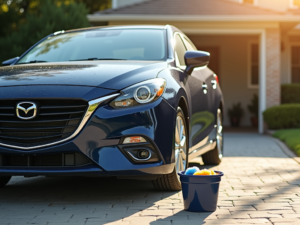
    A lot of people think you need expensive products or professional help to maintain that new car look, but that’s not true. With a few smart habits and the right approach, you can keep your car looking fresh without spending a fortune. And when you do need a deep clean, car detailing services can bring your ride back to life without the high price tag of a full restoration.

    Wash Your Car the Right Way

    Washing your car seems simple, but doing it wrong can actually damage the paint. Scratches, water spots, and leftover dirt can make your car look older than it really is.

    First, never use dish soap or other household cleaners. These can strip off the protective wax and make your paint more vulnerable to damage. Instead, use a car-specific soap that’s designed to clean without being too harsh.

    Always wash with two buckets—one for clean soapy water and one for rinsing your sponge or mitt. This keeps dirt from getting back on your car and causing tiny scratches. When drying, use a microfiber towel instead of an old rag or t-shirt, which can leave swirl marks.

    Don’t Ignore the Wheels

    Shiny paint is great, but if your wheels are covered in brake dust, your car still looks dirty. Cleaning your wheels regularly helps maintain that “just detailed” look. Use a wheel cleaner that’s safe for your type of rims, and scrub with a soft brush to get rid of built-up grime. If you want them to really stand out, finish with a tire shine product to make them look deep black instead of faded and dull.

    Keep the Interior Clean

    A clean car isn’t just about the outside—what’s inside matters too. Dust, crumbs, and clutter can make even the newest car feel old and neglected.

    Vacuuming the seats, carpets, and mats at least once a week makes a big difference. If you have cloth seats, a fabric cleaner can help remove stains. For leather, use a conditioner to prevent cracking and keep it feeling soft.

    One of the easiest ways to keep your interior looking good is to avoid eating in your car. Fast food wrappers, spilled drinks, and greasy fingerprints can turn your car into a mess quickly. If you do eat inside, try to clean up immediately instead of letting trash pile up.

    Protect Your Paint

    If you want your car to keep its shine, you need to protect the paint. Waxing your car creates a protective layer that helps prevent dirt, sun damage, and minor scratches. It also makes washing easier because dirt doesn’t stick as much.

    You don’t have to wax your car every week, but doing it every three months is a good rule of thumb. If waxing by hand sounds like too much work, spray waxes and ceramic coatings are easier to apply and still offer great protection.

    Another easy way to protect your paint is to park in the shade when possible. Sun exposure over time can make your paint fade, especially in hot climates. If you have to park outside, a car cover can help prevent sun damage.

    Fix Small Scratches Before They Get Worse

    No matter how careful you are, small scratches and chips in the paint are going to happen. The key is to fix them before they get worse.

    Touch-up paint pens can cover small chips and keep rust from forming. For light scratches, a scratch remover polish can help blend them into the rest of the paint. If you ignore them, dirt and moisture can get into the exposed metal, making the damage harder (and more expensive) to fix later.

    Keep Your Windows and Mirrors Crystal Clear

    Dirty windows and mirrors don’t just look bad—they make driving more dangerous. Smudges, streaks, and dust can make it harder to see, especially when driving at night.

    Use a glass cleaner that’s safe for car windows, and always wipe in a circular motion to avoid streaks. Don’t forget to clean the inside of your windshield too—dust and fingerprints build up there over time, making glare from headlights worse.

    Use the Right Cleaning Products

    There’s a reason professional detailers use specific products for different parts of the car. The wrong cleaners can damage surfaces, leave streaks, or even make things look worse.

    Stick to car-safe shampoos, waxes, and interior cleaners instead of grabbing whatever’s under the kitchen sink. If you’re trying to save money, there are plenty of affordable car cleaning kits that include everything you need without spending a fortune.

    Know When to Get Professional Help

    Even with regular cleaning, sometimes your car needs a deeper cleaning than you can do on your own. Stubborn stains, tough grime, or faded paint might require professional detailing.

    Detailing services don’t just wash your car—they deep clean every part, restoring it to like-new condition. They can remove odors, polish scratches, and even apply long-lasting protection to keep your car looking good for months. Instead of spending money on expensive DIY products that may not work, getting a professional detail once or twice a year can be a smarter investment.

    Make Car Cleaning a Habit

    The secret to keeping your car looking brand new is simple—stay on top of maintenance. If you let dirt, stains, and scratches build up, they’ll be much harder to fix later. But if you take a few minutes each week to wipe down surfaces, vacuum crumbs, and wash your car, it’ll stay in great shape without much effort.

    You don’t need to spend a lot of money to have a clean, well-maintained car. Just a little regular care goes a long way in keeping it looking fresh and protecting its value for years to come.

  • Planning a Long EV Trip? Here’s What Every Driver Should Know

    Planning a Long EV Trip? Here’s What Every Driver Should Know

    Long road trips can be thrilling, but if you’re behind the wheel of an electric vehicle (EV), there are a few things you should keep in mind to make the journey as smooth as possible. Whether you’re off to explore new places or heading to visit friends and family, a bit of preparation can go a long way. Wondering how to avoid the stress of running low on charge or how to make the most of your EV’s features? You’re in the right place.

    1. How to Find Reliable EV Charging Stations

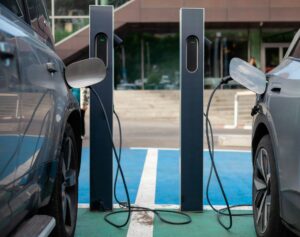
    There’s only one place to begin, and this is with how to locate reliable EV charging stations. Finding a dependable charging station along your route is crucial. Nobody wants to be stuck searching for a charger when the battery’s running low. Luckily, technology makes it easier than ever. There are various apps and built-in car systems designed to help you map out charging stops ahead of time. Planning your charging breaks strategically not only ensures you never get caught short but can also give you the chance to stretch your legs or grab a bite to eat. Make sure to double-check the station’s availability and charging speed before you arrive—it’s always better to be prepared.

    2. Understand Your EV’s Range and Battery Efficiency

    Every EV is different, and factors like speed, temperature, and road conditions can affect your vehicle’s range. Knowing how your car performs under different conditions is key. For example, driving at higher speeds can drain the battery faster, while slower, steady speeds are more efficient. Also, colder weather might reduce battery performance, so keep that in mind if you’re travelling during the winter months. To get the most out of your battery, consider using energy-saving modes and pre-conditioning the cabin while still plugged in.

    3. Plan Charging Stops Around Activities

    No one enjoys sitting in the car waiting for a charge. The good news is you don’t have to! Plan your stops at locations where you can do something enjoyable—whether that’s grabbing a coffee, visiting a local attraction, or taking a scenic walk. Charging doesn’t have to be downtime; it can be an opportunity to make the trip more enjoyable. With a little research, you can turn necessary stops into part of the adventure.

    4. Check Charging Speeds and Types

    Not all chargers are created equal. Some offer a quick top-up in just minutes, while others might take a few hours. Understanding the difference between rapid chargers and standard ones can save you a lot of time. Before heading out, familiarise yourself with your EV’s charging capabilities and what connectors it supports. This helps ensure you’re not left waiting longer than necessary at slower stations when faster options are available nearby.

    5. Make Use of Regenerative Braking

    Regenerative braking is a feature that allows your EV to recover energy when slowing down or braking, extending your range without much effort. On long trips, especially on routes with lots of stops or hilly terrain, this feature can make a noticeable difference. It’s worth getting used to the feel of regenerative braking before your trip so you can maximise its benefits without it feeling awkward.

    6. Keep an Emergency Charging Plan in Mind

    While planning is key, it’s wise to have a backup just in case. Unexpected detours, road closures, or an out-of-service charger can throw off even the best plans. Having an alternative route with additional charging options can offer peace of mind. Also, consider packing a portable charger—while it won’t fully replace a charging station, it could provide just enough power to get you to the next stop.

    7. Be Mindful of Passenger Comfort and Entertainment

    Long journeys aren’t just about the driver. If you’re travelling with family or friends, keeping everyone comfortable and entertained makes a huge difference. Load up on music, audiobooks, or podcasts, and plan for snacks and drinks. Charging stops are also a great opportunity for everyone to stretch, use facilities, and recharge themselves as well as the car.

    8. Stay Updated on Road and Weather Conditions

    Roadworks, accidents, and weather can all impact your trip. Keeping an eye on live traffic updates helps you avoid delays, while checking the forecast ensures you’re prepared for conditions that might affect your battery usage. For instance, rain and cold can influence how quickly your EV drains power, so knowing what to expect can help you plan your charging stops accordingly.

    9. Know How to Maximise Cabin Comfort Without Wasting Energy

    It’s tempting to blast the air conditioning or heating, but these can significantly reduce your range. Instead, use seat warmers or cooling systems that are more energy-efficient. Pre-conditioning the car while it’s still charging can also help maintain a comfortable temperature without draining your battery during the drive.

    10. Don’t Forget Essential Items for the Journey

    Packing smartly can make your trip much easier. Here’s a quick list of essentials you should have ready:

    • Charging cables – Always carry the right cables for different types of chargers.
    • Snacks and drinks – Staying hydrated and energised keeps you focused.
    • Blanket and extra layers – Weather can change quickly, and you’ll appreciate having them.
    • Phone charger and mount – Handy for navigation and staying connected.
    • Emergency kit – Basic tools, a first aid kit, and a torch can be lifesavers.

    Having these on hand ensures you’re prepared for whatever the road throws at you.

    Ready to Hit the Road?

    Long EV trips don’t have to be daunting. With a bit of planning and the right mindset, they can be just as seamless—and even more enjoyable—than traditional car journeys. By understanding your EV’s capabilities, planning your stops wisely, and staying flexible, you’ll be able to enjoy the ride without worrying about your next charge. So, get your playlist ready, pack some snacks, and hit the road with confidence. The journey is just as exciting as the destination!

  • Upgrade Your Car’s Audio: Transform Every Drive Into a Concert Experience

    Upgrade Your Car’s Audio: Transform Every Drive Into a Concert Experience

    Ever found yourself singing along to your favorite song, only to be let down by dull, crackly speakers? Or maybe you’ve tried to enjoy a podcast on a long drive, but background noise ruined the experience? Upgrading your car’s audio system can change that completely. Imagine crystal-clear sound, booming bass, and a rich listening experience that makes every journey feel like a private concert. Sounds tempting, right? Let’s explore how you can revamp your car’s sound system and why it’s totally worth it.

    Why Upgrade Your Car’s Audio System?

    Factory-installed car audio systems are often basic. They’re designed to be cost-effective rather than exceptional, which means you’re missing out on the full potential of your favorite music or podcasts. Upgrading your car audio system with Hipro Audio isn’t just about volume—it’s about clarity, depth, and richness. Whether you’re a casual listener or a hardcore audiophile, an enhanced system can make your daily commute or road trip far more enjoyable. Plus, if you spend a lot of time in your car, better audio isn’t just a luxury—it’s an upgrade to your entire driving experience.

    Key Components to Consider

    When it comes to upgrading, knowing which parts of your system to focus on can make a big difference. Here are the essential components worth considering:

    1. Speakers – The Heart of Your Audio System

    Your car’s speakers are crucial. Stock speakers are often made from cheap materials, which affects sound quality. Upgrading to higher-quality speakers can improve clarity, bass response, and overall balance. You can choose from coaxial (all-in-one) or component speakers (separate tweeters and woofers for better sound distribution).

    2. Subwoofers – Feel the Bass

    If you want deep, punchy bass, adding a subwoofer is a must. Even a small one can drastically enhance your listening experience. Subwoofers handle low frequencies that regular speakers can’t, making your music feel fuller and more dynamic.

    3. Amplifiers – Power Up Your Sound

    An amplifier provides your speakers with the power they need to perform at their best. Without one, you might notice distortion at higher volumes. An amp ensures cleaner sound and better volume control, giving you crisp audio even when you crank up the tunes.

    4. Head Unit – Modernize Your Controls

    Upgrading the head unit (or stereo) can bring in features like Bluetooth connectivity, touchscreens, and better sound processing. A new head unit not only boosts sound quality but also adds convenience and modern features to your car.

    5. Sound Deadening – Eliminate Unwanted Noise

    No matter how good your speakers are, road noise can ruin the experience. Installing sound-deadening materials helps block out external sounds, making your upgraded system truly shine.

    How to Choose the Right Upgrades

    Choosing the right upgrades depends on your preferences and how you use your car. If you love bass-heavy music, a subwoofer should be a priority. If you’re after crisp vocals and overall balance, new speakers and an amplifier might be enough. Consider how much you’re willing to spend and whether you want to install the upgrades yourself or hire a professional. While DIY can save money, professional installation ensures optimal performance and avoids wiring mishaps.

    Benefits of Upgrading Your Car Audio

    Investing in your car’s audio system has more benefits than you might think.

    • Better Sound Quality – Clearer highs, richer mids, and deeper lows transform how your music sounds.
    • Enhanced Driving Experience – Good audio can make traffic jams, long commutes, and road trips far more enjoyable.
    • Modern Features – Upgraded systems often include Bluetooth, smartphone integration, and touch controls.
    • Increased Resale Value – A quality audio system can make your car more appealing to future buyers.
    • Customizable Sound – Tailor your audio settings to suit your taste, whether you’re into rock, hip-hop, or podcasts.

    DIY vs. Professional Installation: What’s Right for You?

    Thinking about installing your new audio components yourself? If you’re handy with tools and comfortable with car electronics, DIY might save you money. There are plenty of tutorials online to guide you through the process. However, if you’re unsure, it’s worth paying a professional. They can ensure the system is installed correctly, avoiding issues like poor wiring or sound distortion. Plus, pros often know tricks to maximize sound quality that you might not find in a basic guide.

    Tips for Getting the Best Sound

    Upgrading your system is one thing—optimizing it is another. Here are some quick tips to get the best results:

    • Tune Your Equalizer: Don’t rely on preset modes. Adjust the EQ to suit your music preferences.
    • Use High-Quality Audio Files: Streaming services are convenient, but high-quality files (like FLAC) sound noticeably better.
    • Break in Your Speakers: New speakers improve after some use. Give them time to reach their full potential.
    • Consider Speaker Placement: Proper positioning can significantly enhance sound clarity and depth.
    • Don’t Forget the Cables: Quality wiring ensures your system performs at its best, minimizing signal loss.

    Is It Worth the Investment?

    Absolutely! Upgrading your car’s audio system is one of the best ways to improve your driving experience. Whether you’re after booming bass, crystal-clear podcasts, or simply better sound for everyday commutes, the benefits are immediate and lasting. With the right setup, your car becomes more than just a means of transportation—it becomes your personal concert hall.

    Ready to Rev Up Your Sound?

    Your car is more than just a vehicle—it’s where you spend a significant part of your day. So why settle for subpar audio? With the right upgrades, every drive can be a musical escape or a chance to enjoy crystal-clear podcasts. Start exploring your options, and you’ll be surprised how much of a difference great sound can make.

  • Is Buying a Used Car a Good Idea? Weighing the Pros and Cons

    Is Buying a Used Car a Good Idea? Weighing the Pros and Cons

    Purchasing a used car can be a smart financial decision for many buyers. Buying a used car is often more cost-effective than opting for a new model, as it typically offers significant savings while still providing reliable transportation. With careful research and consideration, buyers can find vehicles that suit their needs without stretching their budgets.

    The used car market offers a wide range of options, from previously owned sedans to SUVs. Buyers can take advantage of depreciation, as new cars lose value rapidly within the first few years. This means that consumers can secure a high-quality vehicle at a fraction of the original price, allowing for more choice and potential upgrades.

    While there are challenges, such as assessing the vehicle’s condition or history, the benefits of buying used often outweigh the risks. The key lies in thorough inspection and verification, ensuring that the chosen car meets both performance expectations and budgetary constraints.

    Pros and Cons of Buying a Used Car

    Purchasing a used car involves various benefits and potential drawbacks. Evaluating these areas can help determine if buying pre-owned is the right choice based on individual needs and circumstances.

    Cost Savings and Depreciation

    Buying a used car typically results in significant cost savings. New cars can depreciate by 20% to 30% within the first year alone. In contrast, a used car has already undergone most of this depreciation.

    This means buyers often pay substantially less, allowing for more options within their budget. In addition, insurance costs for used cars can be lower, further reducing ongoing expenses.

    Potential buyers should research specific models to understand their depreciation rates. Some brands retain value better than others, influencing overall cost savings.

    Variety and Choice

    The used car market offers a wide variety of options. Buyers are not limited to the latest models or configurations. They can explore various makes, models, and features suited to their preferences.

    Choosing a used car also allows for the possibility of obtaining higher-end models that may be out of budget if bought new. This increased choice fosters opportunities to find a suitable vehicle that meets specific lifestyle needs.

    However, the condition and history of used cars can vary greatly. Researching the vehicle’s background, including service records and previous ownership, is essential.

    Potential Risks and Hidden Costs

    Buying a used car comes with certain risks that buyers should consider. Hidden issues may not be immediately apparent, leading to unexpected repair costs after the purchase.

    Mechanical problems, wear and tear, or accident history can significantly impact the vehicle’s reliability and safety. Investing in a thorough mechanical inspection prior to purchase can mitigate some of these risks.

    Furthermore, financing options for used cars may differ from new cars. Interest rates can be higher, impacting the total cost over time. Evaluating these financial aspects is crucial to avoid unforeseen expenses.

    Understanding Car Finance Options

    Car finance options are crucial when considering the purchase of a used vehicle. Knowing the various methods available can significantly impact the overall cost and payment structure.

    Personal Contract Purchase (PCP)

    PCP is a popular finance option for buying used cars. It offers a flexible approach, allowing the buyer to pay a deposit followed by lower monthly payments over a set period, typically between two to four years.

    At the end of the term, the buyer has options: they can either pay a balloon payment to own the car, return the vehicle with no further obligations, or trade it in for a new PCP deal. This arrangement can be appealing to those who like driving a newer car frequently without committing to its full purchase price.

    However, it’s essential to consider mileage limits as exceeding them can incur additional charges. Assessment of the car’s condition and choosing a reputable dealer also play a role in the success of this finance method. In some cases, consumers may even find themselves dealing with issues related to Mis-sold Car Finance, particularly if the terms were not clearly explained or suitability wasn’t properly assessed at the time of agreement.

    As with any financial commitment, it’s important to fully understand the terms and weigh up all possible outcomes before entering a PCP agreement. Taking the time to research and seek advice can help avoid unexpected costs down the line.

    Making Informed Monthly Payments

    When financing a used car, understanding monthly payments is vital. Buyers should determine a budget that accounts for their income, other financial obligations, and potential maintenance costs.

    The monthly payment amount often results from the total price, the chosen deposit, and the interest rate applied. Buyers should seek financing options with competitive rates to reduce overall costs. Comparing offers from different lenders can help identify better deals.

    Creating a detailed budget can aid in making informed decisions about the affordability of monthly payments. This approach ensures the buyer can manage their finances effectively while enjoying the benefits of their vehicle.

    Timing Your Purchase

    Choosing the right moment to buy a used car can significantly influence both the price and availability. Understanding when to make a purchase is crucial for securing a better deal.

    Identifying the Best Time to Buy a Used Car

    The best time to buy a used car often coincides with new models hitting the market. Typically, this occurs in late summer or early autumn, as dealerships aim to clear out older inventory.

    Research indicates that the end of the month or quarter is also advantageous. Salespeople may be eager to meet quotas, leading to better deals. Additionally, shopping on weekdays can yield lower prices due to decreased foot traffic.

    Exploring online platforms can help identify historical trends in pricing. Monitoring listings over time may reveal seasonal price drops, especially during holidays.

    Seasonal Factors Affecting Car Sales

    Seasonality plays a critical role in car sales. Spring and summer usually see increased demand, meaning prices may be higher during these months.

    Conversely, autumn and winter can present better opportunities. Consumers may shy away from buying as the colder months approach, leading to potential discounts.

    Certain holidays also impact sales. For example, events like Labour Day or New Year often have promotions, resulting in lowered prices. It is beneficial to plan purchases around these periods for optimal savings.

    Market conditions and economic factors, such as interest rates and inflation, can also influence the timing of car purchases. Staying informed about these variables is essential for making a wise decision.

    Fuel Type Considerations

    Choosing the right fuel type can significantly impact the ownership experience of a used car. Considerations include the performance, efficiency, and emissions of different fuel types.

    Choosing Between Petrol, Diesel, and Electric

    Petrol cars are often preferred for their smoother performance and lower initial costs. They are typically lighter and provide quicker acceleration, making them suitable for urban driving. Fuel efficiency is generally good, but it varies by model.

    Diesel cars tend to offer better fuel economy, especially on long journeys. They are more suited for drivers who cover high mileage. However, diesel engines produce more nitrogen oxides and particulates, raising environmental concerns.

    Electric vehicles (EVs) are gaining popularity, especially due to their lower running costs and zero tailpipe emissions. They offer the best fuel efficiency but come with higher upfront costs and considerations around charging infrastructure.

    Evaluating Long-Term Viability of Diesel Cars

    The long-term viability of diesel cars is increasingly questioned. Many cities introduce stricter emissions regulations, which could affect future usability and resale value.

    Diesel vehicles are ideal for long-distance drivers, providing excellent fuel economy. However, the environmental impact is causing a shift in consumer preferences.

    Owners of diesel cars may face rising maintenance costs and potential penalties in low-emission zones. This uncertainty makes it crucial for buyers to evaluate their long-term needs before committing to a diesel vehicle.