
Month: July 2021

  • Winter Tires vs. All Season Tires

    Winter Tires vs. All Season Tires

    You may have noticed that all-season tires, even when they are rated as “all-weather” tires, are not nearly as effective as winter tires in the snow and ice. Although the tires are designed to work in all seasons, the fact is that winter driving is significantly more difficult than driving in the warmer seasons.
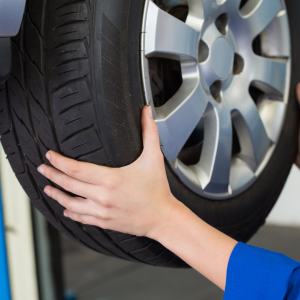
    Tires are an important part of your vehicle – without them, you are just driving metal. While all-season tires are good for most driving conditions, winter tires are specifically designed to grip the ice and keep you moving. If you have ever been on the road at night with a set of winter tires, you know how essential they can be in bad weather.

    This winter, a lot of people will find themselves in road situations where the weather is bad enough to warrant the use of winter tires or all-season tires. Unfortunately, a lot of people won’t know the difference between the two, how they perform, or which one they should be used in the winter months. The difference between the two? It lies in their tread design and the rubber compound used. The tread on winter tires is much deeper, and the rubber compound is designed to stay flexible when the temperature drops. Winter tires also have better tread patterns to help them grip the road better.

    What Are Winter Tires

    Winter tires are an easy way to make your car better in the wintertime. Simply having winter tires in your rotation can help you drive with a little more confidence and will give you more control in the snow. It’s not just about being able to drive in the snow and ice since using winter tires will also help you drive in the cold.

    The goal of winter tires is to get you safely to where you’re going, no matter how rough the road. Winter tires have a thicker tread than summer tires do and are meant to withstand the kind of punishment that winter weather brings. This includes snow, slush, ice, and cold weather, all of which can be harmful to your normal tires.

    If you live in a region where the winters are cold and snowy or travel to those areas, you may want to consider purchasing a set of winter tires. Winter tires will help keep you safe and secure when the snow starts to fall and will also make driving in icy conditions much easier. While summer tires are designed to be used from May to October, winter tires are made to withstand snow and ice. This is because winter tires are created with a softer rubber compound that stays flexible in cold temperatures rather than the harder compound used in a summer tire. In addition, winter tires have tread patterns that help prevent them from getting stuck in snow and slush.

    What Are All Season Tires

    The term “all-season tires” is used to describe tires that work well in all different conditions. This term is used to describe tires that are made to work well in both warm and cold temperatures and in light and heavy snow. The use of all-season tires can help you stay safe during the winter months.

    All-season tires are a compromise between winter and summer tires. As the name implies, they are designed to handle all seasons. They are not as good as winter tires in the snow, but they are not as expensive as summer tires. If you live in a cold climate, you may want snow tires. If not, all-season tires should be fine.

    All-season tires are designed to provide good traction from the fall through the spring. They are designed to be used in a variety of weather conditions (including rain, snow, and dry weather). The main difference between all-season and other tires is the tread pattern. All-season tires usually have a deeper tread than their snow or sport tire counterparts, and they usually have a tread pattern with wider voids to allow the water and snow to fall off of the tire easily. The new cars at the dealership are sitting on top of a lot of tires.

  • 5 Things To Improve Any RV Experience

    5 Things To Improve Any RV Experience

    One of the great things about RVs is that you can customize and improve them, and it’s not all that tough. However, you should think about your plans before you start ripping out cabinets and try to limit your modifications to a few important focus areas. You can do these jobs yourself, but if you are not exactly skilled, then the use of handyman services in Altamonte Springs, or wherever you are based, will help you get everything expertly done so when you are on the road and take a sharp turn, your cupboards don’t fly off.

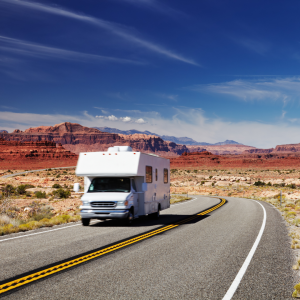
    RVing is a great way to see a lot of the country, and the world, for those with the time and the funds. The same goes for camper van Iceland or anywhere else in the world. But even the most well-funded travelers can benefit from some new gear that will make their trip more enjoyable. Below, we’ve come up with a list of five handy gadgets and gear that will improve any RV.

    What is an RV

    Unlike cars, motor homes, or other similar vehicles, an RV is a type of vehicle that is equipped for camping. For this reason, you will often find that these vehicles are referred to as “motor homes.” In fact, many people use the terms interchangeably. However, the truth of the matter is that motor homes are just one type of RV. RVs are actually a general designation for any motor vehicle equipped for the passengers’ comfort and recreation.

    You’ve probably heard of an RV before. You know, the big, motorized homes on wheels that are so popular with retirees and families who like to travel. But what is it? How does it work? The best way to explain what an RV is is by explaining what it isn’t. For starters, it’s not a car, nor is it a truck. They may have similar features and run on gas, but they are two very different things.

    An RV looks like a rolling hotel room from the outside, but inside it’s basically a house on wheels. Inside, you’ll often find everything from kitchenettes and beds to compact bathrooms and seating areas. That’s what makes RV travel appealing to families, retirees, and anyone craving a flexible way to explore. Of course, with all that extra comfort comes the need for a little know-how. Whether it’s setting up camp, managing power usage, or just staying organized, there’s more to RVing than simply hitting the road.

    Because of that, RV owners can make upgrades to their home-on-wheels to help them travel more comfortably and to give them some creature comforts of home while they are on the road. One useful upgrade, especially for those who travel off-grid, is a dc to dc charger. It helps charge the battery more efficiently using the vehicle’s alternator—handy when you’re running several devices or appliances. It’s just one of many accessories that can make your road adventures smoother and more reliable. Other popular upgrades include solar panel kits and power converters.

    Many people transition to full-time RV living after years of living in traditional or manufactured housing. Selling a stationary home is often the first step to funding this new, mobile lifestyle. In states with large retirement communities, a quick sale of a manufactured home makes the transition much easier. Homeowners often prefer cash sales to avoid long waiting periods on the real estate market. Sellers who work with this company can get a fast offer on their mobile home. This quick process gives them the immediate funds they need to purchase their road vehicle and begin their travels.

    On the other side of this transition, people who want to buy these properties face a different set of steps. Finding the right park and getting financing can be hard to do alone. Working with professional manufactured housing consultants makes this process much simpler for new buyers. These specialists help people find homes that fit their needs and guide them through the paperwork. This support helps buyers avoid common mistakes and find a safe place to live.

    You’re probably aware that there are many things to consider when you’re camping with an RV, especially if you’re not fully acquainted with the lifestyle. Nobody wants to waste any of their precious vacation time figuring out how to operate all the camping equipment while trying to relax and enjoy themselves. So we’ve compiled a short list of 5 things you should do to get the most from your RV camping experience.

    • Choose the right place

    With the warmer weather quickly approaching, it only means one thing: more and more people are hitting the road and the campground. After all, there’s nothing quite like being able to enjoy being in nature with all the modern comforts of a hotel room. But, as the saying goes, you have to be in it to win it. If you’re looking to upgrade your current RV or are looking for your first, you’ll want to choose the right spot. There are many spots to choose from: some you should avoid and others you should seek out.

    • Make a poop plan

    You’ve probably heard that the average American spends 90% of their time indoors. While that may have been true 50 years ago, today, that number is down to around 53%, with an average of 17 minutes a day spent outdoors. Most people are aware of this; they know that they should be spending more time in nature and that spending too much time indoors is bad for the body. However, the lack of a well-crafted poop plan is often a major impediment to spending more time enjoying your surroundings.

    • Food storage

    The days of packing a vehicle with bags of food and gallons of cookware are long gone. Today’s campers want to go mobile with lightweight, reusable containers-the same kind that they use at home. That’s where these five container solutions come in. They’re made of a variety of materials, but each one works best when it’s vacuum-sealed. One container even doubles as a serving dish. Just be sure to pack it with your cookware.

    • Campfire

    When you’re traveling by RV, there are many things that you need to keep close by your campfire. Here are some things that will make your RV camping experience that much better. Fire extinguisher – While it’s highly unlikely that you’ll ever need to use the fire extinguisher, it is something you need to have on hand in case of emergencies.

    • Leave no trace

    When you go camping, it’s important to be aware of the environment and its impact on the wildlife and people around you. As a general rule, the more time you spend in a specific place, the more impact you have on the environment. This means that if you are going to spend a lot of time in your RV, you need to take extra care to be as efficient as possible and leave your campsite as untouched as possible.