
Month: November 2020

  • 6 Tips for Getting the Best Sound Quality in Your Car

    6 Tips for Getting the Best Sound Quality in Your Car

    One of the best places to enjoy your music is in the car, but many drivers tolerate subpar sound quality that they would never put up with at home, especially the audiophiles among us. When did it become okay to invest in a quality sound system like you can get from this site https://www.vizio.com/en/shop/sound-bar for your home, but not your car? Those audiophiles that do decide to try and make a change, often make common installation mistakes that bottleneck your systems ability to produce amazing results. Therefore, I am going to give you my top 6 tips for getting better sound quality out of your car.
    Replace Your Car’s Speakers

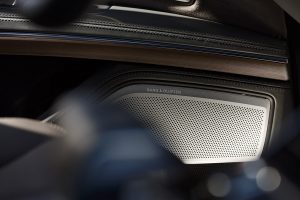
    Often, the speakers that come with the car is usually an afterthought for car manufacturers. While default car speakers have improved as of late, they still do not hold a candle to speakers that have been designed to output better quality. Replacing speakers will also give you the most bang for your buck and the difference is stark if you find the right speakers. Often though, this is only in cars that aren’t from ‘premium’ brands as such. For example, in most premium brands like Audi, Mercedes and BMW, you can opt for a more premium sound system, from the likes of Bose and Bang and Olufsen.

    Pick Higher Quality Audio Files

    Audio files played through your earbuds might sound fine, but they will often come with a higher level of compression. This compression will often lose some of the high and low-frequency information in those audio tracks. This will probably not be as noticeable with worse speakers but if have great car speakers then you will be able to hear the difference between audio files.

    Bypass your Audio Player’s Built-in Digital-to-Analog Converter

    A digital-to-analogue converter, or DAC, has the role of converting digital data from 1’s and 0’s into an analogue audio signal. Often, your audio player is probably your iPhone or Android phone. Its built-in DAC usually does a decent job for casual listening with earbuds, but it does not deliver the same level of performance you can get out of the more advanced DACs found in high-quality car stereos. You will hear the difference when you make the switch.

    Use Sound Deadening Material

    Road noise and vibrations affect the quality of your sound. These external sounds can overpower frequencies your speakers are putting out that adds to the clarity of high- and low-end frequencies. This is a bigger issue when the speakers are in a car door that has a plastic casing around it that can easily rattle. Adding some sound-deadening material can reduce that rattle and keep the sounds that you do not want to interrupt your audio out of your ears.

    Add a Car Amplifier

    Many friends have asked me how they get more power in their bass for their speakers. I usually tell them to get a car amplifier. If you do not have the juice to push through your new speakers, you are leaving performance on the table. A separate amplifier will provide more clean power than any car stereo, and that will make a night-and-day difference to your sound quality. Your sound system will sound so much better.

    Add a Signal Processor or an Equalizer

    The interior of a car presents some serious problems when it comes to sound quality. They are not exactly built for perfect acoustics. Glass and plastic surfaces reflect sound which will muddy what you are hearing. Both carpet and seat covers thankfully have the opposite effect, but it still is not ideal for us audiophiles. Therefore, an equalizer (EQ) is a great addition for your car. With an EQ, you can filter out the reflects you are getting in your car to improve the sound quality.

    To conclude, there is a wide range of things you can do to improve your cars audio quality. But the best approach is to do is assess the acoustics in your car? Do you get a bunch of reflects that distract you when you are listening to music? Understanding your needs will go a long way to help you make the right decision with car audio upgrades.

  • 4 Essential Car Maintenance Tips

    4 Essential Car Maintenance Tips

    Car maintenance is an important aspect of car ownership. Understanding how to take care of your vehicle while improving the longevity of your car and reduce the amount you will have to pay in repairs. Prevention is always cheaper than paying to fix an issue after the fact. Therefore, I am going to give you 4 essential car maintenance tips, as well as letting you know that blogs such as https://www.sprawlway.org/, can offer insight into how to maintain your car so you are not forking out a lot of money for something preventable.

    Check Tire Pressures

    Poor tire pressures often lead to awful fuel economy. In addition, it can affect comfort and handling. Checking your owner’s manual will help you ensure the right PSI for your tires. There are plenty of gadgets and basic tools you can use to check your tires pressure. If you have the time, this should be done on a weekly basis, although making it part of your daily routine will not hurt.

    Some cars have tire pressure monitoring technology installed before they leave the factory. There are also some great gadgets that connect with mobile devices that constantly monitor tire pressure and send out notifications in case one or more tires need some air.

    Check Oil Levels

    Your car’s engine has a lot of mechanical moving parts that create friction as they brush against each other. This friction generates heat, and this can wear an engine down and reduce performance. Therefore, minimizing, if not eliminating, friction from these moving parts is critical to ensure smoother operation.

    Otherwise, you would need to experience loud noises or knocking from your engine and even substantial reduction in fuel economy. Checking your engine’s oil level should thus be made an important part of car maintenance. It is easy. Find the oil dipstick, pull it out, and evaluate the oil. Moreover, if you encounter any issues with the oil in your engine, it is worth reaching out to a mechanic by researching mechanics in your area on websites such as stevesorsenmechanical.com.au for instance.

    Replace Spark Plugs

    If your car’s engine has a rough idle or misfires from time to time, you might want to replace your spark plugs. Other symptoms of a malfunctioning spark plug can include lack of acceleration, trouble starting your car, often high fuel consumption, or even engine surging. In an ideal world, you need to replace your spark plugs every 30,000 or so miles if it is just a standard copper spark plug.

    However, if yours is of the more advanced iridium spark plug, then these can last up to around 100,000 miles which can reduce the among you will be spending in the long-term often. But do not forget, you need to double-check your vehicle owner’s manual or even your car maintenance checklist to determine when you should replace your spark plugs.

    Properly Disconnect Batteries

    To further improve your understanding of your car’s electrics, you need to know how to disconnect your battery. Disconnecting your battery terminals could be an easy task. It is all a matter of unfastening the bolts that keep the cables secure onto the battery terminals, right? But there is a proper way to do it. You do not just disconnect the first connector that your hands are able to reach.

    Always disconnect the negative terminals first to help prevent the chances of electrical short circuit. This cuts the return path of the electric current. If you disconnect the positive terminal first, currently is still pretty much moving along the negative terminal. If by accident, you dropped your wrench and it landed on the positive terminal and one of its ends also touched any other metal, then you have a complete circuit. Removing the negative end of the connector will help prevent short-circuiting. Even if your tools drop on either battery terminals or touches anything else on the car, there simply is no return for the current to complete the circuit.

    As you can see, changing a battery is not super easy. If you are not confident with this and do not want to risk short-circuiting your battery, work with a professional mechanic.

    Ultimately, these basic car maintenance tips can help you troubleshoot a range of issues with you might encounter with your car. By being able to maintain your car, you will reduce the amount you have to pay overall, hopefully, saving you a lot of money in the long run!